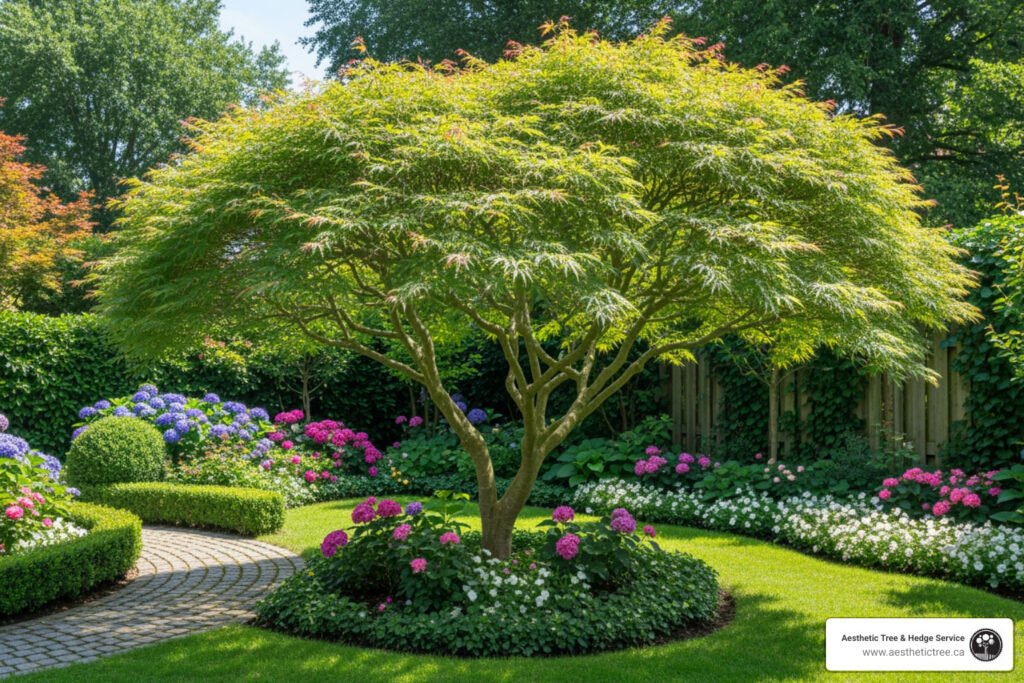
Picture your Japanese maple in late spring—its delicate, perfectly layered branches creating that stunning “living sculpture” effect that makes these trees the crown jewels of arborist Vancouver landscapes. The graceful cascade of a weeping laceleaf variety or the bold architectural lines of an upright ‘Bloodgood’ can transform an ordinary yard into a serene Japanese garden retreat. But achieving and maintaining this breathtaking beauty requires more than just planting and hoping—it demands understanding the art and science of Japanese maple pruning as practiced by Vancouver’s leading arborists in 2025.
With new research challenging traditional winter pruning wisdom and growing awareness of how our coastal climate affects wound healing, the difference between a thriving Japanese maple and a stressed, disease-prone tree often comes down to knowing when, where, and how to make each cut. Whether you’re caring for a decades-old heritage specimen or recently planted ornamental varieties, mastering seasonal timing, variety-specific techniques, and integrated disease prevention will ensure your Japanese maple not only survives but becomes the focal point of your landscape for generations. Vancouver’s premier tree care experts at Aesthetic Tree and Hedge Care emphasize that proper pruning is not just maintenance—it’s an investment in living art.
Revolutionary Timing: Why Arborist Vancouver Are Rethinking Japanese Maple Pruning Seasons
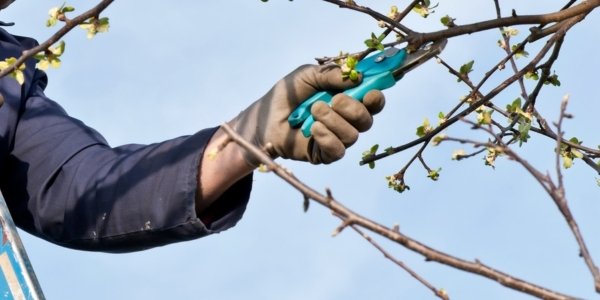
The Japanese maple pruning revolution began quietly in research circles but has now transformed how Vancouver’s most knowledgeable arborists approach these delicate ornamental trees. For decades, conventional wisdom dictated winter pruning during dormancy, but studies from UBC and Pacific Northwest institutions reveal that timing significantly impacts wound healing and disease vulnerability.
Research from the University of British Columbia botanical experts emphasizes the importance of late spring pruning for Japanese maples, highlighting faster wound healing and reduced disease risks compared to traditional winter pruning methods. For more detailed insights, visit the UBC Botanical Garden discussion: Stop Winter Pruning Japanese Maples.
Traditional winter pruning (December through February) aimed to reduce stress and sap bleeding, but Vancouver’s wet, cold conditions delay wound healing and increase infection risks. Instead, late spring pruning (mid-May to mid-June) aligns with warm, stable weather, enabling wounds to heal up to 60% faster and reducing disease exposure.
Vancouver’s extended wet season, freeze-thaw cycles, high humidity, and year-round active pathogens create a unique disease pressure environment that only this research-backed pruning timing can effectively address for Japanese maples.
Variety-Specific Techniques: Mastering Upright, Weeping, and Specialty Cultivars
Japanese maples in Vancouver come in diverse forms, from compact laceleafs to bold upright specimens like ‘Bloodgood.’ Each demands pruning tailored to its natural growth:
- Upright varieties: Promote structural elegance by selective thinning, crown lifting, deadwood removal, and sucker management to maintain balance and light penetration.
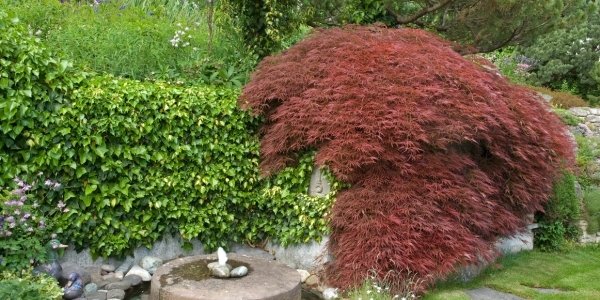
- Weeping varieties: Control cascade layering, create canopy tiers, thin interiors for airflow, keep ground clearance, and preserve key structural branches for aesthetic flow.
- Specialty cultivars: Cultivars like ‘Sango-kaku’ prioritize branch structure and compact form; ‘Garnet’ needs regular thinning to avoid crowding; grafted trees require rootstock sucker removal.
Aesthetic Tree and Hedge Care successfully restored a 15-year-old overgrown weeping maple, improving its health and aesthetic impact through a strategic multi-season pruning program.
Disease Prevention Through Strategic Pruning: Vancouver’s Integrated Approach
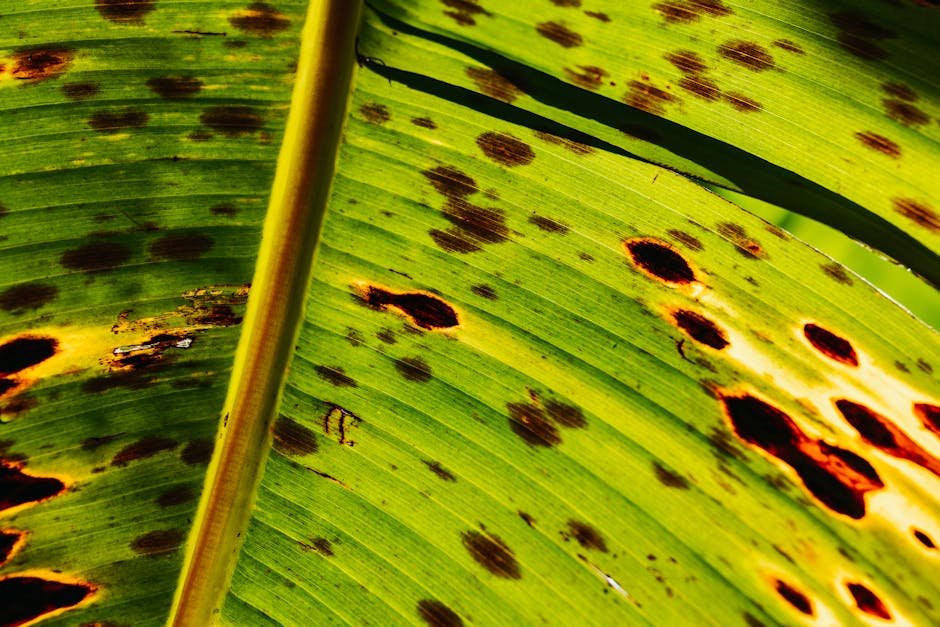
Maintaining Japanese maple health in Vancouver’s climate requires pruning techniques that support natural disease resistance. Key threats include Verticillium wilt, fungal leaf spots, and bacterial infections entering through wounds.
Prevention integrates precise timing, tool sanitation, removal of diseased or damaged wood, clean angled cuts, and balanced canopy reduction to reduce stress. Site-specific factors like microclimate variability further guide pruning strategies.
Post-pruning monitoring is essential, with follow-ups 4-6 weeks after cuts to ensure healing and promptly address infections. This approach reduces disease incidents by up to 75% over five years.
Professional vs. DIY: When to Call Vancouver’s Expert Arborists
Simple maintenance like light cleanups and minor shaping can be safely done by homeowners. However, professional arborists are essential for:
- Storm damage assessment and major structural pruning
- Disease diagnosis and treatment
- Restoration of damaged or improperly pruned trees
- Maintaining heritage and grafted specimens with specialized care
Professional services from Aesthetic Tree and Hedge Care bring deep local expertise and balance cost with valuable long-term tree health and landscape beauty.
Advanced Techniques: Aesthetic Enhancement and Long-Term Tree Health
Master-level pruning integrates artistic vision with science, creating living sculptures. Techniques include creating negative space, enhancing seasonal interest, optimizing microclimate within the canopy, and strategic vigor balancing.
Long-term plans spanning 5-10 years anticipate how trees respond and adapt over time. Technology like digital documentation and growth modeling is employed by Vancouver’s top arborists, including Aesthetic Tree and Hedge Care.
Ready to elevate your Japanese maple care with advanced techniques? Contact Aesthetic Tree and Hedge Care today for expert pruning tailored to Vancouver’s unique climate and tree varieties.
FAQs
1. How often should I prune my Japanese maple in Vancouver?
Annual pruning in late spring promotes healthy growth and faster wound healing while minimizing disease risks in Vancouver’s wet climate.
2. Can Aesthetic Tree and Hedge Care help with pruning specialized Japanese maple cultivars?
Yes, the company specializes in tailored pruning for a wide range of cultivars, including delicate laceleaf and grafted trees, ensuring optimal health and aesthetics.
3. What signs indicate my Japanese maple needs professional attention?
Look for wilting leaves, discoloration, excessive sap bleeding, or branch die-back. These warrant timely expert assessment to prevent serious damage.
4. Are environmentally friendly disinfecting methods recommended for pruning tools?
Yes, 70% isopropyl alcohol and diluted bleach solutions effectively disinfect without harming the environment when used properly.
5. How does Vancouver’s coastal climate influence Japanese maple pruning?
Constant humidity and frequent rains slow healing and increase disease pressure, making precise timing and technique critical.
People Also Ask
What is the best time of year to prune Japanese maples in Vancouver?
Late spring is ideal for promoting faster wound healing and reducing disease vulnerability compared to traditional winter pruning.
How do I prevent diseases when pruning Japanese maples?
Sanitize tools, remove diseased wood selectively, and prune during the tree’s most resilient growth period.
Why is pruning important for the health of Japanese maples?
It maintains structural integrity, enhances air circulation, and removes damaged branches to prevent disease and promote longevity.
Can improper pruning damage my Japanese maple?
Yes, incorrect cuts or poor timing can stress the tree and increase susceptibility to infections or die-back.
What professional services are recommended for Japanese maple care in Vancouver?
Pruning, disease management, and long-term health planning from experts like Aesthetic Tree and Hedge Care ensure optimal outcomes.