Discover the native and climate-adapted trees and shrubs arborist Vancouver recommend most, plus insider secrets about which popular species to avoid and why professional tree selection can save thousands in future removal costs.
Walk through any Vancouver neighbourhood and you’ll see the consequences of poor tree selection: massive poplars threatening power lines, diseased ornamental cherries littering sidewalks, and once-beautiful Leyland cypresses now brown and dying after winter storms. Meanwhile, your neighbour’s thoughtfully chosen native Garry oak provides decades of shade, wildlife habitat, and property value enhancement with minimal maintenance.
The difference? They consulted an ISA Certified Arborist who understands Vancouver’s unique climate zone 8b conditions and the city’s ambitious urban forest strategy. With Vancouver targeting 30% tree canopy coverage by 2050—up from the current 25%—your tree and shrub choices have never been more important. Whether you’re planting your first tree or replacing storm-damaged specimens, selecting the right species means the difference between a thriving urban forest that enhances your property and costly maintenance headaches that drain your budget for decades.
How Your Tree Choices Support City Canopy Goals | Arborist Vancouver
Vancouver’s updated 2025 Urban Forest Strategy isn’t just bureaucratic planning—it’s a roadmap that makes your personal tree investments more valuable and sustainable when aligned with professional arborist guidance.
The 30% Canopy Target and Private Property Impact
Vancouver currently maintains approximately 25% tree canopy coverage across the city, with a goal to reach 30% by 2050. This 5% increase translates to thousands of new trees, with much of the growth expected on private residential properties. When homeowners choose long-lived, large-maturing species with proper arborist guidance, they contribute to citywide environmental goals while maximizing their own property’s shade, air quality, and aesthetic benefits.
Priority Species for Climate Resilience
The city’s strategy emphasizes native and near-native species that can withstand Vancouver’s evolving climate—including increased summer drought, occasional extreme wind events, and variable winter temperatures. ISA Certified Arborists working with this strategy recommend species that provide substantial canopy coverage, support local wildlife, and resist common urban stresses like compacted soil, air pollution, and limited space.
Avoiding Future Conflicts
Professional arborists understand that today’s tree choices determine tomorrow’s maintenance costs. They select species that mature within appropriate size limits for each site, avoiding the expensive conflicts that arise when fast-growing but inappropriate trees outgrow their space and threaten infrastructure or safety. This foresight protects both individual property investments and the city’s long-term canopy goals.
Working with Aesthetic Tree’s ISA Certified Arborists ensures your tree selection aligns with both Vancouver’s urban forest objectives and your property’s specific conditions, creating lasting value for your investment and the broader community canopy.
Top Canopy Trees Recommended by Vancouver Arborists
Large canopy trees provide the most significant environmental and property value benefits, but choosing the wrong species can create expensive problems. Here are the proven performers that Vancouver arborists recommend for different site conditions.
Native Powerhouses for Long-Term Value
Bigleaf maple (Acer macrophyllum) ranks as the premier native canopy tree for Vancouver properties with adequate space. These magnificent trees can reach 75+ feet with broad, cooling canopy that supports countless bird and insect species. However, they require strategic placement and professional structural pruning during establishment to develop strong branch architecture. Garry oak (Quercus garryana) offers unmatched longevity and drought tolerance once established, making it ideal for properties seeking century-plus investment trees that support Vancouver’s ecosystem restoration goals.
Reliable Non-Natives for Urban Conditions
Red oak species (Quercus rubra and cultivars) provide excellent structure and fall color while tolerating urban soil conditions better than many natives. Japanese zelkova (Zelkova serrata) offers classic vase-shaped growth perfect for street and boulevard applications, with excellent resistance to urban stresses. These species bridge the gap between environmental stewardship and practical urban performance, delivering substantial canopy coverage with manageable maintenance requirements when properly established.
Conifer Options for Year-Round Coverage
Douglas-fir (Pseudotsuga menziesii) provides exceptional year-round canopy and wildlife value for larger properties, though it requires adequate space for massive mature size. Western redcedar (Thuja plicata) remains popular but increasingly requires careful site selection due to drought sensitivity on hot urban sites. Professional arborists now often recommend these species primarily for properties with reliable moisture and adequate growing space.
The key to success with canopy trees lies in matching mature size to available space and providing proper establishment care. An ISA Certified Arborist can assess your site conditions and recommend species that will thrive for decades rather than create future removal costs.
Medium Trees Perfect for Smaller Vancouver Properties
Most Vancouver residential properties benefit from medium-sized trees that provide significant benefits without overwhelming limited space or creating infrastructure conflicts.
Native Treasures with Manageable Size
Pacific dogwood (Cornus nuttallii), British Columbia’s floral emblem, offers stunning spring blooms and fall color in a manageable size, though it requires careful siting for disease prevention and air circulation. Serviceberry or Saskatoon (Amelanchier alnifolia) provides exceptional wildlife value with edible berries, beautiful spring flowers, and excellent fall color, typically reaching 15-25 feet. Vine maple (Acer circinatum) works beautifully as a multi-stemmed small tree, thriving in understory conditions while providing brilliant autumn display.
Ornamental Options with Proven Performance
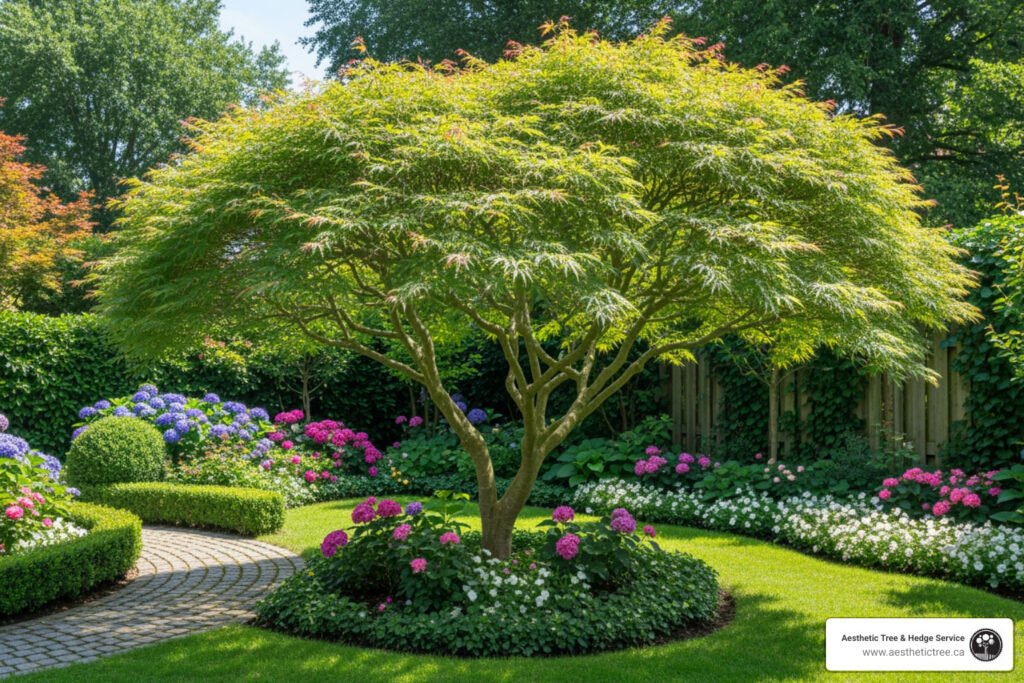
Paperbark maple (Acer griseum) offers year-round interest with distinctive exfoliating bark and reliable fall color, staying compact enough for small gardens. Selected Japanese maple cultivars (Acer palmatum group) provide unmatched ornamental value when properly sited in partial shade with adequate moisture and protection from wind.
Strategic Placement Considerations
Medium trees often work best when positioned to frame views, provide privacy screening, or create seasonal interest without blocking winter sun from south-facing windows. Professional arborists understand these placement strategies and can recommend specific cultivars that maximize benefits while avoiding common spacing mistakes that lead to crowding or excessive shade as trees mature.
The advantage of working with experienced arborists for medium tree selection is their understanding of growth rates, mature forms, and maintenance requirements that ensure long-term satisfaction with your investment.
Climate-Adaptive Shrubs That Support Urban Forest Goals
Strategic shrub selection creates the understory layer that completes healthy urban forest ecosystems while providing practical landscape benefits for homeowners.
Native Shrubs for Maximum Ecological Value
Red-flowering currant (Ribes sanguineum) provides early nectar for hummingbirds and native bees while offering drought tolerance and beautiful spring blooms. Red-osier dogwood (Cornus sericea) excels in areas with seasonal moisture, providing year-round interest with red winter stems and excellent wildlife habitat. Snowberry (Symphoricarpos albus) offers exceptional shade tolerance and tough urban performance while supporting native moths and butterflies throughout their lifecycle.
Practical Considerations for Urban Sites
Professional arborists recommend native shrubs not just for environmental benefits, but because they typically require less irrigation, fertilization, and pest management once established. These species evolved with Vancouver’s climate patterns and soil conditions, making them naturally suited to local growing conditions. They also complement tree plantings by creating layered canopy structure that maximizes wildlife habitat and property aesthetics.
Non-Native Performers for Specific Needs
Witch hazel (Hamamelis species) provides fragrant winter blooms and reliable fall color while tolerating urban conditions well. Rhododendron species and cultivars provide spectacular spring blooms but require careful selection of varieties suited to Vancouver’s alkaline soils and occasional drought stress. Professional arborists can recommend specific cultivars that balance ornamental appeal with practical performance in local conditions.
Creating Functional Shrub Layers
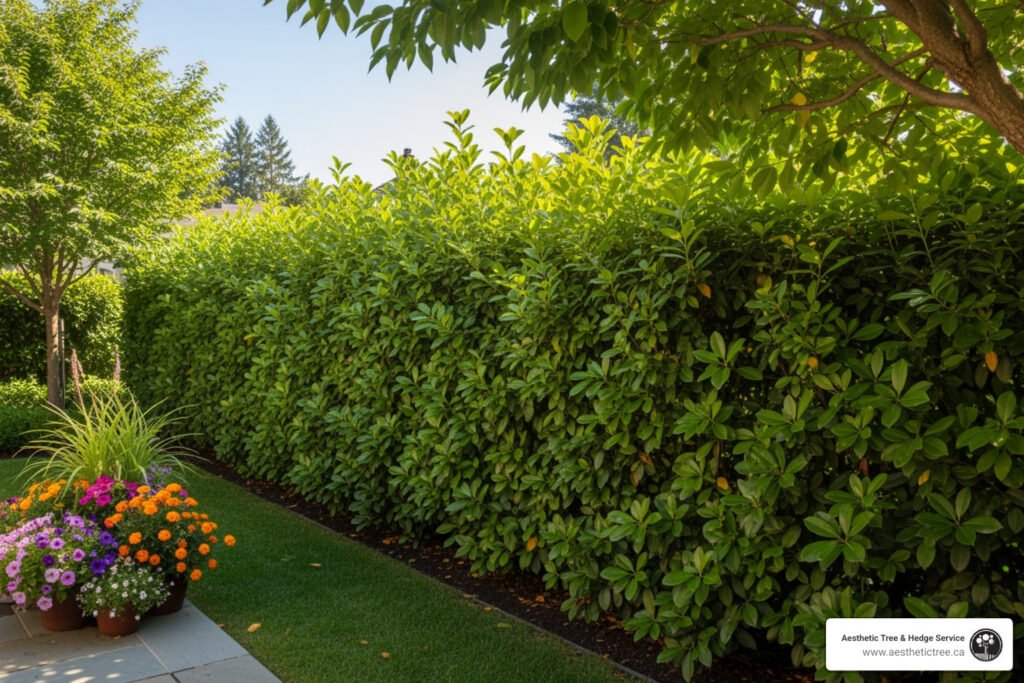
The most successful landscape designs use shrubs to create distinct functional zones: privacy screening along property lines, foundation plantings that complement architectural features, and transitional plantings that connect lawn areas to tree canopies. ISA Certified Arborists understand these design principles and can recommend shrub combinations that mature into cohesive, low-maintenance landscapes.
Strategic shrub placement also supports tree health by creating beneficial microclimates, reducing soil compaction around tree root zones, and providing visual continuity that makes property-scale contributions to Vancouver’s broader urban forest goals.
Species to Avoid: Learning from Vancouver’s Tree Failures
Understanding which species create problems in Vancouver conditions helps homeowners avoid expensive mistakes and contributes to citywide urban forest health.
The Lombardy Poplar Disaster
Lombardy poplars (Populus nigra ‘Italica’) remain popular for their fast growth and columnar form, but they’re essentially disasters waiting to happen. These trees are susceptible to canker diseases that cause branch dieback, have invasive root systems that damage infrastructure, and typically decline rapidly after 15-20 years. When they fail, removal costs often exceed $3,000-5,000, especially when they’ve grown near structures or power lines.
Ornamental Cherry Problems
While beautiful, many ornamental cherry species (Prunus species) suffer from short lifespans, disease susceptibility, and messy fruit drop that creates maintenance headaches. Yoshino and Kwanzan cherries often decline after 15-25 years due to bacterial canker, root problems, or storm damage. Professional arborists typically recommend these species only for clients who understand the maintenance requirements and shorter replacement cycles.
Leyland Cypress: The Screening Nightmare
Leyland cypress (Cuprocyparis × leylandii) promises fast privacy screening but delivers long-term problems. These trees grow so rapidly they quickly outgrow intended sizes, require constant pruning to maintain appearance, and are susceptible to canker diseases that cause sections to die back. When large Leyland cypresses fail, replacement with appropriate species often costs thousands while disrupting established landscape designs.
Climate Change Casualties
Species that thrived in Vancouver’s past climate may struggle with current conditions. Some traditional evergreens like Colorado blue spruce now suffer from increased drought stress and pest pressure. Working with knowledgeable arborists helps identify these emerging problems and select species better adapted to Vancouver’s evolving climate conditions.
Professional Planning: Why Arborist Consultation Pays for Itself
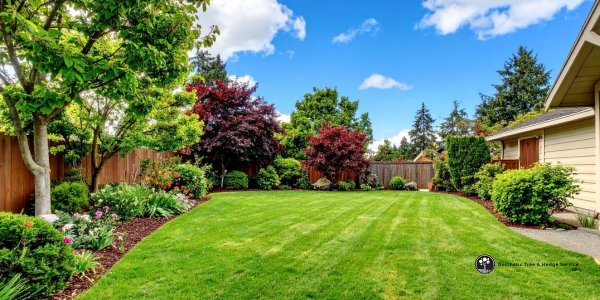
The difference between random tree planting and professional arborist guidance often determines whether your landscape investment appreciates or becomes a costly liability over time.
Site Assessment Expertise
ISA Certified Arborists evaluate crucial factors that homeowners often overlook: soil drainage patterns, existing root systems from neighboring trees, overhead utility conflicts, and mature size requirements. This assessment prevents common expensive mistakes like planting large trees too close to structures or choosing species unsuited to specific soil conditions. A professional assessment typically costs $150-300 but can prevent thousands in future removal and damage costs.
Species Matching to Specific Conditions
Professional arborists maintain extensive knowledge about how different tree and shrub species perform in Vancouver’s microclimates. They understand that a species thriving in Point Grey’s well-drained soils might struggle in East Vancouver’s clay conditions, or that trees performing well in sheltered Kerrisdale might suffer wind damage in more exposed Richmond areas. This localized expertise ensures species selection matches your property’s specific growing conditions.
Long-Term Maintenance Planning
Experienced arborists design planting plans with maintenance requirements in mind. They can recommend species combinations that minimize long-term pruning costs, avoid conflicts with infrastructure, and provide desired benefits without creating ongoing problems. This foresight is particularly valuable for budget-conscious homeowners who want beautiful landscapes without expensive annual maintenance requirements.
Aesthetic Tree and Hedge Care’s Comprehensive Approach
Working with Vancouver’s leading arborist service ensures access to the most current knowledge about species performance, climate adaptation, and integration with city planning goals. Our ISA Certified Arborists combine technical expertise with practical experience to recommend tree and shrub selections that enhance property values while contributing to Vancouver’s urban forest objectives.
Timing and Establishment: Getting Your Investment Off to the Right Start
Even the best species selection fails without proper timing, planting techniques, and establishment care that ensures long-term success in Vancouver’s challenging urban environment.
Optimal Planting Windows
Fall planting (September-November) gives trees and shrubs maximum root establishment time before spring growth, taking advantage of Vancouver’s mild, moist winters. Spring planting works but requires more intensive irrigation during the crucial first growing season. Professional arborists time installations to maximize establishment success while minimizing maintenance requirements.
Professional Installation Standards
Proper planting technique significantly impacts long-term tree survival. This includes appropriate hole preparation, root system handling, backfill soil considerations, and initial structural support systems. Professional installation typically costs 20-40% more than basic planting services but dramatically improves establishment success rates and reduces mortality losses.
Critical First-Year Care
The first growing season determines whether new trees and shrubs establish successfully or struggle for years. Professional arborists provide detailed care instructions including irrigation schedules, mulching strategies, and monitoring protocols that ensure optimal establishment. They also schedule follow-up visits to assess establishment progress and adjust care recommendations based on actual performance.
Integration with Existing Landscapes
Successful tree and shrub additions complement existing plantings rather than competing with them. Professional arborists consider existing root systems, shade patterns, and maintenance access when designing new installations. This integrated approach ensures new plantings enhance overall landscape functionality rather than creating maintenance complications or plant competition issues.
The investment in professional planting and establishment care typically pays for itself through improved survival rates, faster establishment, and reduced long-term maintenance requirements compared to basic installation approaches.
Aesthetic Tree | Certified Arborist Vancouver
Choosing the right trees and shrubs for Vancouver’s climate zone requires understanding both environmental conditions and long-term maintenance implications—expertise that ISA Certified Arborists provide through comprehensive site assessment and species selection. Invest in professional consultation to ensure your landscape choices contribute to Vancouver’s canopy goals while enhancing your property value for decades to come. The modest cost of expert guidance prevents expensive species failures and creates landscapes that thrive rather than merely survive.
Tags: Vancouver arborist, best trees Vancouver climate, ISA certified arborist Vancouver, urban forest Vancouver, climate zone trees BC
FAQs
- How can Aesthetic Tree and Hedge Care help Vancouver homeowners select the best trees?
Our ISA Certified Arborists offer personalized consultations and site assessments to recommend species perfectly suited to your property’s conditions and Vancouver’s urban forest goals, ensuring long-term value and reduced maintenance costs. - Why is it important to avoid fast-growing trees like Lombardy poplar in Vancouver?
Fast-growing species often have weak structures and disease susceptibility, leading to costly removal and property damage, which professional arborists help you avoid with sustainable species choices. - What are the benefits of planting native shrubs in Vancouver landscapes?
Native shrubs require less water and care, support local wildlife, and create a resilient understory that complements canopy trees to boost ecosystem health. - How frequently should residential trees be pruned for optimal health?
Generally, pruning every 3-5 years maintains structural integrity, but ISA Certified Arborists provide tailored schedules based on species and site conditions. - Can professional tree planting increase my property’s market value in Vancouver?
Yes, properly selected and established trees enhance curb appeal, shade, and environmental benefits, often improving property value while supporting Vancouver’s canopy goals.
People Also Ask
- What is the ideal planting season for trees in Vancouver’s climate?
Fall (September-November) is ideal for planting, allowing roots to establish in moist soil before spring growth, reducing stress and improving survival rates. - Are non-native trees suitable for Vancouver landscapes?
Certain non-native species like Japanese zelkova thrive well in urban Vancouver conditions and can complement native trees to diversify canopy benefits. - How does Vancouver’s urban forest strategy impact private homeowners?
Homeowners’ tree choices directly contribute to the city’s 30% canopy target by 2050, making private property a critical component of broader environmental goals. - What maintenance challenges do Leyland cypresses present?
They require constant pruning to manage their rapid growth and are prone to canker diseases that cause dieback, resulting in high upkeep and replacement costs. - How do arborists assess which tree species are right for specific Vancouver neighborhoods?
They evaluate microclimates, soil type, moisture, and exposure factors unique to each neighborhood to recommend species that best thrive locally.