Why Clusia Hedge Maintenance Matters for Your Property in BC
Clusia hedge maintenance keeps these tropical evergreens thriving as privacy screens, windbreaks, and landscape features. Here’s what proper care involves:
Essential Clusia Hedge Maintenance Tasks:
- Watering: Deep watering 2x weekly until established, then occasional watering during dry spells
- Pruning: Trim 1-2 times per year to maintain shape and encourage dense growth
- Fertilizing: Apply balanced fertilizer (10-10-10) three times yearly—spring, summer, and fall
- Monitoring: Check regularly for pests (thrips, scale), browning leaves, and signs of overwatering
- Soil care: Ensure excellent drainage; amend heavy soils with sand or perlite
- Light exposure: Provide 6-8 hours of sunlight daily for optimal growth
Clusia hedges have become popular in coastal areas and warm climates for good reason. Their thick, paddle-shaped leaves create dense privacy screens that tolerate salt spray, resist drought once established, and require minimal fussing compared to other hedge options. They thrive in USDA Zones 10-11, making them ideal for properties in tropical and subtropical regions.
However, improper care—especially bad pruning techniques—can damage these otherwise resilient plants. As one homeowner finded after their landscaper used a gas trimmer on their Clusia hedge, mechanical cutting can cause yellowing, browning, and leave plants vulnerable to fungus and insects. The good news? With the right maintenance approach, Clusia hedges recover well and provide year-round beauty.
I’m Yaniv Biton, owner of Aesthetic Tree & Hedge Service, and I’ve spent years helping property owners in the Vancouver area maintain healthy, attractive hedges through proper pruning and clusia hedge maintenance techniques. While Clusia doesn’t naturally grow in Vancouver’s climate, the principles of hedge care I’ve mastered apply to these tropical beauties when grown in containers or protected environments.

Foundations of Clusia Care: Creating the Perfect Environment
Even though Clusia isn’t native to our beautiful Vancouver, Surrey, or Richmond landscapes, we can still enjoy its striking appearance. The key is understanding its natural preferences and adapting our care to replicate those conditions, especially when growing them in containers or protected spaces like greenhouses or sunrooms.

Clusia plants naturally thrive in USDA Zones 10–11, which means they prefer warmer climates with minimum temperatures around 50°F (10°C). This is why we generally grow them in containers here in the Lower Mainland, allowing us to bring them indoors when our temperatures drop.
When it comes to light, Clusia plants are quite versatile. They prefer full sun to partial shade, needing at least 4–6 hours of sunlight daily for best growth. However, they can also tolerate bright, indirect light, which is often easier to provide indoors or in a protected outdoor spot. We always advise avoiding direct, harsh afternoon sun, especially for younger plants or those just moved outdoors for the summer.
Soil is another critical factor. Clusia hedges flourish in well-drained, sandy, or loamy soils. The biggest enemy of Clusia roots is soggy soil, which can lead to root rot. If you’re planting in containers, we recommend a high-quality potting mix augmented with coconut coir or orchid bark to improve drainage and aeration. For outdoor beds in protected environments, if your soil is heavy clay, we’d amend it with organic matter and coarse horticultural sand or perlite to ensure excellent drainage.
Watering needs to be balanced. While Clusia is known for its drought resistance once established, it’s not invincible. For newly planted Clusia, especially in containers, we suggest watering regularly during the first 3–6 months to help them establish strong roots. This might mean watering at least twice a week. Once mature, allow the top inch or two of the soil to dry out before watering again. Deep but infrequent watering encourages deep root growth. For indoor plants, allow the topsoil to dry out before watering thoroughly until water drains from the bottom.
Clusia enjoys warm temperatures, ideally between 65-85°F (18-29°C), and high humidity, ideally around 50-70%. In our region, this means misting leaves regularly, especially for indoor plants, or placing them on a tray with pebbles and water. Avoiding temperatures below 50°F (10°C) is crucial, so bringing container plants indoors for our colder months is a must.
Propagation of Clusia is quite straightforward. We can propagate them from stem cuttings, which is a rewarding way to expand your Clusia collection. Take healthy softwood stem cuttings, about 1 to 2 feet (30–60 cm) long, just below a leaf node. Remove the lower leaves to create two bare nodes, dip the end in rooting hormone, and plant in a container of moist, well-draining, fertile soil. Keep the soil consistently moist until roots develop.
Planting Your Clusia Hedge
Whether you’re creating a hedge in a large planter on a sunny patio in Burnaby or a protected garden bed in Delta, careful planting sets the stage for success.
For a formal hedge, we recommend planting Clusia shrubs about 5 feet (1.2 m) apart. If you’re aiming for a more informal look, you can space them a bit farther apart. Dig holes that are as deep as the root ball and about three times as wide. This gives the roots plenty of room to spread out. After placing the plant, backfill with soil, packing it firmly around the roots to remove air pockets.
Initial watering is vital. Water thoroughly for at least 15 minutes immediately after planting, and continue to water thoroughly for the next two weeks to help the plant settle in.
Mulching around the base of your newly planted Clusia is a great idea. A 2-inch (5 cm) layer of organic mulch helps retain soil moisture, suppresses weeds, and insulates the roots. However, always leave a 4-inch (10 cm) gap of bare soil around the main stem to prevent moisture-related issues.
If you’re wondering what other plants might complement your Clusia, here are a few ideas that also appreciate similar conditions:
- Hibiscus
- Bird of Paradise
- Crotons
- Cordylines
- Ferns
- Philodendrons
- Caladiums
Choosing Your Clusia Variety
When selecting Clusia for your Vancouver-area container or protected garden, it’s good to know the main varieties:
| Variety Name | Growth Habit | Mature Size (unpruned) | Flower Characteristics | Suitability for Hedges Wipe out the competition with a comprehensive guide on Clusia hedge maintenance!
Mastering Clusia Hedge Maintenance: From Trimming to Troubleshooting
Introduction

Clusia hedge maintenance keeps these tropical evergreens thriving as privacy screens, windbreaks, and landscape features. Here’s what proper care involves:
Essential Clusia Hedge Maintenance Tasks:
- Watering: Deep watering 2x weekly until established, then occasional watering during dry spells
- Pruning: Trim 1-2 times per year to maintain shape and encourage dense growth
- Fertilizing: Apply balanced fertilizer (10-10-10) three times yearly—spring, summer, and fall
- Monitoring: Check regularly for pests (thrips, scale), browning leaves, and signs of overwatering
- Soil care: Ensure excellent drainage; amend heavy soils with sand or perlite
- Light exposure: Provide 6-8 hours of sunlight daily for optimal growth
Clusia hedges have become popular in coastal areas and warm climates for good reason. Their thick, paddle-shaped leaves create dense privacy screens that tolerate salt spray, resist drought once established, and require minimal fussing compared to other hedge options. They thrive in USDA Zones 10-11, making them ideal for properties in tropical and subtropical regions.
However, improper care—especially bad pruning techniques—can damage these otherwise resilient plants. As one homeowner finded after their landscaper used a gas trimmer on their Clusia hedge, mechanical cutting can cause yellowing, browning, and leave plants vulnerable to fungus and insects. The good news? With the right maintenance approach, Clusia hedges recover well and provide year-round beauty.
I’m Yaniv Biton, owner of Aesthetic Tree & Hedge Service, and I’ve spent years helping property owners in the Vancouver area maintain healthy, attractive hedges through proper pruning and clusia hedge maintenance techniques. While Clusia doesn’t naturally grow in Vancouver’s climate, the principles of hedge care I’ve mastered apply to these tropical beauties when grown in containers or protected environments.
Foundations of Clusia Care: Creating the Perfect Environment
Even though Clusia isn’t native to our beautiful Vancouver, Surrey, or Richmond landscapes, we can still enjoy its striking appearance. The key is understanding its natural preferences and adapting our care to replicate those conditions, especially when growing them in containers or protected spaces like greenhouses or sunrooms.
Clusia plants naturally thrive in USDA Zones 10–11, which means they prefer warmer climates with minimum temperatures around 50°F (10°C). This is why we generally grow them in containers here in the Lower Mainland, allowing us to bring them indoors when our temperatures drop.
When it comes to light, Clusia plants are quite versatile. They prefer full sun to partial shade, needing at least 4–6 hours of sunlight daily for best growth. However, they can also tolerate bright, indirect light, which is often easier to provide indoors or in a protected outdoor spot. We always advise avoiding direct, harsh afternoon sun, especially for younger plants or those just moved outdoors for the summer.
Soil is another critical factor. Clusia hedges flourish in well-drained, sandy, or loamy soils. The biggest enemy of Clusia roots is soggy soil, which can lead to root rot. If you’re planting in containers, we recommend a high-quality potting mix augmented with coconut coir or orchid bark to improve drainage and aeration. For outdoor beds in protected environments, if your soil is heavy clay, we’d amend it with organic matter and coarse horticultural sand or perlite to ensure excellent drainage.
Watering needs to be balanced. While Clusia is known for its drought resistance once established, it’s not invincible. For newly planted Clusia, especially in containers, we suggest watering regularly during the first 3–6 months to help them establish strong roots. This might mean watering at least twice a week. Once mature, allow the top inch or two of the soil to dry out before watering again. Deep but infrequent watering encourages deep root growth. For indoor plants, allow the topsoil to dry out before watering thoroughly until water drains from the bottom.
Clusia enjoys warm temperatures, ideally between 65-85°F (18-29°C), and high humidity, ideally around 50-70%. In our region, this means misting leaves regularly, especially for indoor plants, or placing them on a tray with pebbles and water. Avoiding temperatures below 50°F (10°C) is crucial, so bringing container plants indoors for our colder months is a must.
Propagation of Clusia is quite straightforward. We can propagate them from stem cuttings, which is a rewarding way to expand your Clusia collection. Take healthy softwood stem cuttings, about 1 to 2 feet (30–60 cm) long, just below a leaf node. Remove the lower leaves to create two bare nodes, dip the end in rooting hormone, and plant in a container of moist, well-draining, fertile soil. Keep the soil consistently moist until roots develop.
Planting Your Clusia Hedge
Whether you’re creating a hedge in a large planter on a sunny patio in Burnaby or a protected garden bed in Delta, careful planting sets the stage for success.
For a formal hedge, we recommend planting Clusia shrubs about 5 feet (1.2 m) apart. If you’re aiming for a more informal look, you can space them a bit farther apart. Dig holes that are as deep as the root ball and about three times as wide. This gives the roots plenty of room to spread out. After placing the plant, backfill with soil, packing it firmly around the roots to remove air pockets.
Initial watering is vital. Water thoroughly for at least 15 minutes immediately after planting, and continue to water thoroughly for the next two weeks to help the plant settle in.
Mulching around the base of your newly planted Clusia is a great idea. A 2-inch (5 cm) layer of organic mulch helps retain soil moisture, suppresses weeds, and insulates the roots. However, always leave a 4-inch (10 cm) gap of bare soil around the main stem to prevent moisture-related issues.
If you’re wondering what other plants might complement your Clusia, here are a few ideas that also appreciate similar conditions:
- Hibiscus
- Bird of Paradise
- Crotons
- Cordylines
- Ferns
- Philodendrons
- Caladiums
Choosing Your Clusia Variety
When selecting Clusia for your Vancouver-area container or protected garden, it’s good to know the main varieties:
| Variety Name | Growth Habit | Mature Size (unpruned) | Flower Characteristics | Suitability for Hedges |
| Clusia guttifera (Small Leaf Clusia) | Bushy, dense, upright. | 8–10 feet tall, 6–8 feet wide as a hedge. | Small pale pink flowers, rare to bloom. | Excellent, creates a dense informal screen, good for privacy. |
| Clusia rosea (Pitch Apple) | Can be a large tree or wide shrub. | 20–25 feet tall if unpruned. | White and pink flowers in late spring/early summer. | Good, can be pruned to a large shrub for hedging. ‘Nana’ dwarf variety is great for compact hedges. |
Advanced Clusia Hedge Maintenance: Pruning and Shaping
Pruning is where the art of clusia hedge maintenance truly shines. Regular, proper pruning is essential for keeping your Clusia healthy, dense, and looking its best.
We recommend pruning your Clusia hedges 1–2 times a year to maintain their desired size and shape. Because Clusia hedges respond well to light trimming, you don’t need to be overly aggressive. The ideal time for major pruning is typically during the cooler months, such as late winter or early spring, or after the flowering period if you want to enjoy the blooms.
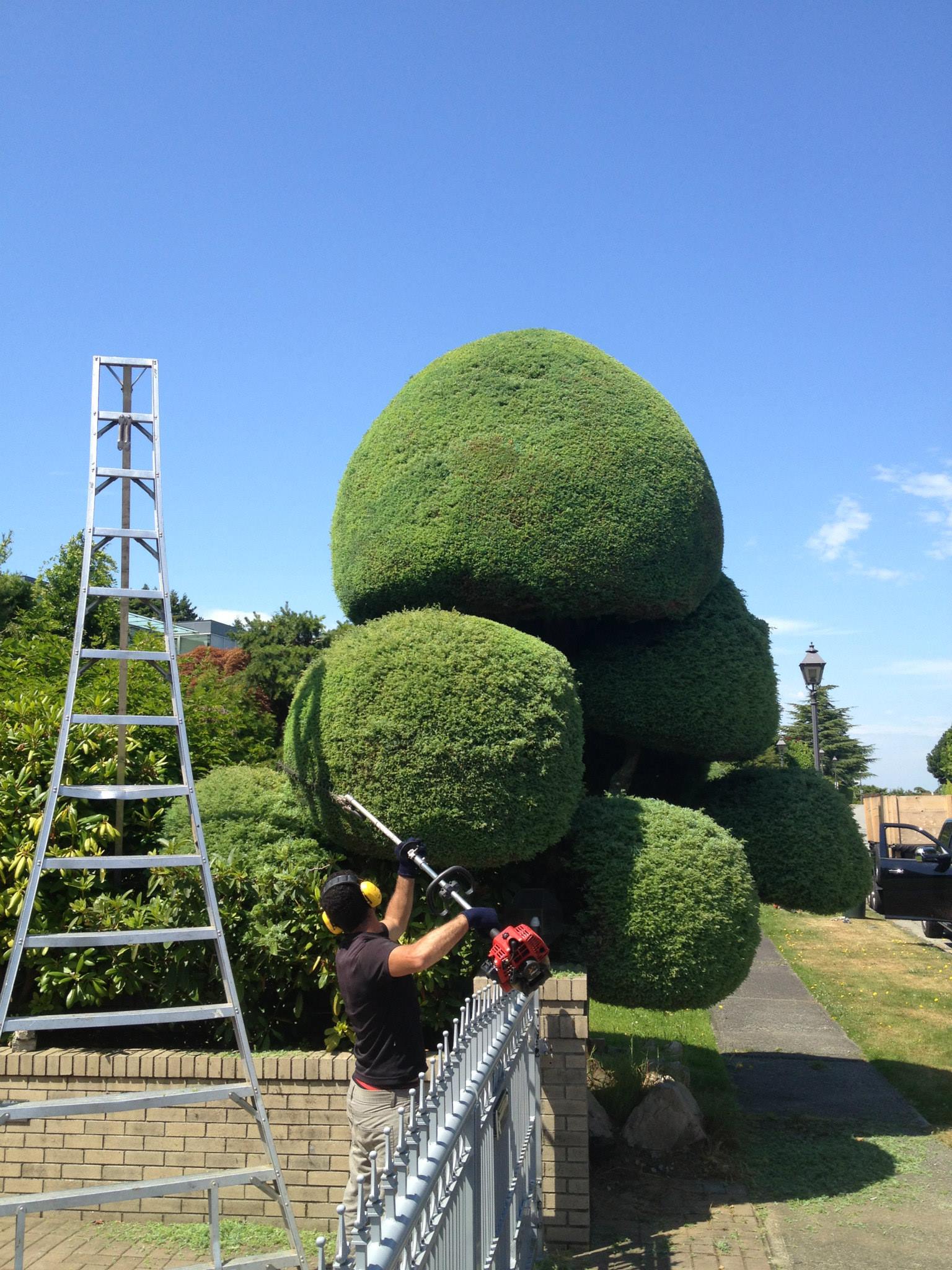
When it comes to tools, using the right equipment is paramount. Sharp, clean shears or electric trimmers are your best friends. Dull tools can tear branches, leaving ragged cuts that are more susceptible to disease and pests. For more detailed insights on the importance of this task, you can refer to our guide on the importance of hedge trimming. For a comprehensive overview of general hedge trimming techniques, the RHS guide on how to trim a hedge is an excellent resource.
Best Practices for Clusia Hedge Maintenance
Our top priority when performing clusia hedge maintenance is making clean cuts. This promotes rapid wound healing and reduces the risk of fungal infections. Always cut just above a leaf node or a lateral branch, avoiding stubs.
A crucial consideration for Clusia, especially Clusia rosea, is to avoid cutting into old wood. This can lead to unsightly bare patches that Clusia may be slow to recover from. Instead, focus on trimming the new, green growth to encourage bushiness.
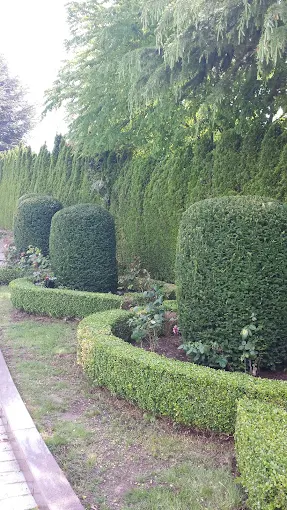
When shaping your hedge, we always aim for a slightly tapered shape, where the base is wider than the top. This allows sunlight to reach the lower branches, ensuring dense foliage from the ground up and preventing sparse growth at the bottom. This is a fundamental principle for all hedges, not just Clusia. For more practical advice on this, check out our 4 tips to trim the hedges properly.
Fertilization is also a key component of a robust clusia hedge maintenance plan. We recommend feeding your Clusia hedges three times a year with a balanced, slow-release fertilizer, typically in spring, summer, and fall. This provides a steady supply of nutrients for healthy growth. Always follow the manufacturer’s instructions to avoid over-fertilization, which can be detrimental.
Correcting Damage and Bad Pruning
Sometimes, despite our best efforts, hedges can suffer from damage or improper pruning. Signs of bad pruning might include yellowing or browning leaves, especially after a mechanical trimmer has been used, or large bare spots. As highlighted in our research, mechanical trimmers can cause damage that leaves hedges vulnerable to fungus and insect infestation.
If your Clusia hedge has experienced bad pruning, don’t despair! These plants are generally resilient. The first step is often patience. Hedges can take a few months to recover from a “bad haircut,” much like humans! We’ve seen hedges bounce back in about two months.
To aid recovery, ensure the plant is getting adequate water and nutrients. Aerating the soil around the base with a hand cultivator can help oxygen reach the root zone. Keep the top 2 inches of soil loose, but be careful not to overwater, as this can exacerbate problems. Avoid applying too much stress by over-fertilizing during recovery.
For future reference and to avoid common pitfalls, our guide on 6 common hedge trimmings mistakes and how to avoid them provides valuable insights. If you’re unsure, it’s always best to consult with professionals like us, especially for complex or extensive damage.
Troubleshooting Common Clusia Problems
Even with the best clusia hedge maintenance practices, issues can sometimes arise. Knowing what to look for and how to respond can save your hedge.
Signs of an unhealthy Clusia hedge include browning leaves, yellowing leaves, leggy growth, or a general loss of vibrant color. These symptoms often point to environmental stressors.
Common causes we encounter:
- Browning leaves: This can indicate low humidity, especially for indoor or container plants in our drier Vancouver winters. Misting regularly can help. It can also be a sign of overwatering, leading to root issues, or even sunburn if the plant is suddenly exposed to intense direct light it’s not accustomed to.
- Yellowing leaves: Often a sign of nutrient deficiency, especially if the veins remain green (iron deficiency), or overwatering. Inadequate light can also lead to yellowing and a dull appearance.
- Leggy growth and loss of color: This almost always points to insufficient light. Your Clusia is stretching to find more light, resulting in sparse, weak growth and a faded appearance. Moving it to a brighter spot (while avoiding harsh direct sun) is usually the solution.
Pests and Diseases Affecting Clusia
Clusia plants are relatively resistant to pests and diseases when healthy, which is another point in their favor for clusia hedge maintenance. However, no plant is entirely immune.
Common pests we occasionally see include thrips and scale insects. Thrips are tiny flying insects that live under leaves, while scale insects appear as small brown growths on stems.
- Thrips: If you spot thrips, a good spray with insecticidal soap or neem oil can often control them. Ensuring good air circulation around your hedge can also help prevent infestations.
- Scale insects: For a few scale insects, you can often remove them manually with a cotton swab dipped in rubbing alcohol. For larger infestations, insecticidal soap or neem oil can be effective. If branches are heavily infected, pruning and disposing of the affected parts is often the best course of action.
Clusia plants are generally free from disease. The most common disease concern is root rot, which is almost always caused by overwatering or poor drainage. The best prevention is proper watering: allowing the soil to dry out partially between waterings and ensuring your containers or planting beds have excellent drainage. If you suspect root rot, you might see wilting leaves despite moist soil, or a foul odor from the soil. In such cases, reducing watering and improving drainage are critical.
Frequently Asked Questions about Clusia Hedges
We get a lot of questions about Clusia, especially from those considering it for their Vancouver properties. Here are some of the most common inquiries we address:
How fast do Clusia hedges grow?
Clusia hedges are considered moderate growers. Clusia guttifera (Small Leaf Clusia) typically grows to 8–10 feet tall and 6–8 feet wide as a hedge. Clusia rosea (Pitch Apple) can grow much taller, reaching 20–25 feet if unpruned.
The growth rate can be influenced by light, water, nutrients, and, of course, pruning. Regular pruning, 1–2 times a year, is essential to maintain a desired size and shape, especially if you’re keeping them in containers or a specific form. Without pruning, they will continue to grow to their mature height, which might be too large for some spaces or necessitate more frequent trimming.
Are Clusia plants toxic to pets?
Yes, it’s important to be aware of the toxicity of Clusia plants, especially Clusia rosea (Autograph Tree). The fruit of the autograph tree is considered to be the most toxic part, but the foliage can also cause gastrointestinal upset if ingested.
For pet owners and families, we always recommend keeping Clusia plants out of reach of children and pets. This is consistent with guidance from the ASPCA, which advises caution with many common plants. If you suspect ingestion, it’s best to consult a veterinarian or poison control immediately.
Can Clusia hedges be grown in containers?
Absolutely! Growing Clusia in containers is often the best approach for our climate in Vancouver, Coquitlam, or North Vancouver, as it allows us to control their environment more effectively. It’s an excellent way to enjoy their lush foliage and privacy benefits on patios, balconies, or in sunrooms.
When choosing a container, ensure it’s 2 to 4 inches wider and deeper than the root ball and, crucially, has adequate drainage holes. Clusia plants do not like soggy feet! We also recommend selecting a sturdy, heavy pot for larger plants to prevent them from tipping over.
Container-grown Clusia will require slightly different care adjustments:
- Watering: Container plants typically dry out faster than in-ground plants, so you may need to water more frequently. Always check the top inch or two of soil for dryness before watering.
- Fertilizing: Nutrients leach out of pots faster, so regular fertilization (three times a year with a balanced slow-release formula) is even more important.
- Repotting: Repot every one to two years, or when you see roots growing out of the drainage holes, moving to a container about 2 inches larger in diameter.
- Winter protection: The biggest advantage of containers here in the Lower Mainland is the ability to move your Clusia indoors during the colder winter months when temperatures drop below 50°F (10°C).
Conclusion
Mastering clusia hedge maintenance ensures these remarkable plants remain a vibrant, healthy, and functional addition to your property, whether in a tropical climate or, in our case, nurtured in containers or protected environments across Vancouver, West Vancouver, or New Westminster. From understanding their preferred growing conditions—like ample light and well-draining soil—to the nuances of watering, pruning, and troubleshooting common issues, thoughtful care makes all the difference.
Clusia’s resilience, low-maintenance nature once established, and dense evergreen foliage make it a truly excellent choice for creating privacy, reducing noise, and enhancing the aesthetic appeal of your outdoor spaces. They offer a unique charm that can lift any landscape.
While we’ve covered extensive guidance here, sometimes the scale or complexity of hedge maintenance calls for expert hands. If you’re dealing with an overgrown hedge, recovering from bad pruning, or simply want to ensure your Clusia receives the best possible care, don’t hesitate to reach out. For expert care and complex pruning jobs in the Vancouver area, consider professional hedge trimming services. At Aesthetic Tree & Hedge Service, we bring over 20 years of ISA-certified experience and a genuine passion for trees and hedges to every project, ensuring your landscape thrives safely and beautifully.