Tree and shrub: Essential Guide for Lush Yards 2026

Why Tree and Shrub Care Matters for Your Vancouver Landscape

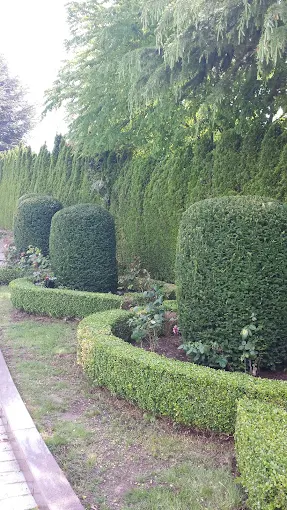
lush garden with trees and shrubs - Tree and shrub

Tree and shrub care is essential for a healthy, safe, and beautiful landscape. Here’s what you need to know:

  • Trees have a single trunk, typically at least 3 inches in diameter, and reach a mature height of at least 13 feet
  • Shrubs are smaller woody plants, usually under 13 feet tall, with multiple stems branching from the base
  • Key differences include height, stem structure (single vs. multiple), and mature size
  • Proper care includes selecting the right plants, correct planting, regular watering, appropriate fertilization, and timely pruning

Trees and shrubs are the backbone of any landscape, providing structure, privacy, shade, and year-round visual interest. Properly maintained, they are valuable assets, yet many property owners struggle to provide the right care for their woody plants, especially in Vancouver’s unique climate.

The distinction matters because it shapes their care. A Japanese maple tree needs structural pruning, while a rhododendron shrub requires acidic soil and attention to its multiple stems. The approach differs, but both need the right practices to thrive.

I’m Yaniv Biton, owner of Aesthetic Tree & Hedge Service. With years of experience in tree and shrub care across Greater Vancouver, I’ve helped countless property owners. In this guide, I’ll share the essential products that support strong, healthy woody plants from planting to maturity.

infographic showing comparison of tree versus shrub versus bush with labeled diagrams indicating single trunk versus multiple stems, height measurements showing trees over 13 feet and shrubs under 13 feet, and stem diameter measurements - Tree and shrub infographic 3_facts_emoji_light-gradient

Foundations of Care: Choosing and Planting Your Woody Wonders

Planting a new tree and shrub is a critical step that lays the groundwork for years of enjoyment. Success hinges on choosing the right location, preparing the soil, and using proper planting techniques. Our goal is to help your new additions thrive across Vancouver, Surrey, Coquitlam, Burnaby, North Vancouver, West Vancouver, Delta, New Westminster, and Richmond.

person planting a small shrub in a garden bed - Tree and shrub

When we plant, we prioritize site selection, matching the plant’s needs to the environment by assessing sun, wind, and soil conditions. We always ensure proper drainage; a simple test is to dig a hole and fill it with water. If it doesn’t drain in 24 hours, the drainage is poor, and we’ll adjust the plan.

When planting, place the tree and shrub so its root system’s top is level with or slightly above the ground to prevent rot. For container-grown plants, gently remove them and untangle any circling roots that could choke the plant. With larger “ball and burlap” (B&B) specimens, remove all tags and wires from the trunk and pull the burlap away from the top of the root ball.

After planting, settle the soil with water and create a berm to direct water to the roots. Mulching is the final, crucial step. A 2- to 4-inch layer of high-quality mulch conserves moisture, suppresses weeds, and regulates soil temperature. Keep mulch a few inches from the trunk to prevent moisture buildup. The first three growing seasons are critical for establishment and require consistent care.

Choosing the Right Tree and Shrub for Your Space

Selecting the perfect tree and shrub is about finding the right plant for the right place. In the varied landscapes of our service areas, from Vancouver to Surrey, thoughtful selection is key.

Consider the functions your woody plants can serve:

  • Foundation plants anchor your home to the landscape.
  • Hedges offer privacy and delineate property lines.
  • Accent plants highlight specific features or frame a doorway.
  • Specimen plants act as a unique focal point.
  • Mass plantings create dramatic visual statements.
  • Ground covers reduce mowing and add texture.

Climate considerations are paramount. We refer to The USDA Plant Hardiness Zone Map to ensure a plant suits our region. However, local microclimates in Vancouver vary, so we also factor in sun exposure, mature size, and soil type. A plant’s mature size is particularly important to minimize future maintenance. For detailed information, the Cornell University Woody Plants Database is an excellent resource for finding the right tree and shrub.

Broadleaf evergreens are a fantastic choice for year-round interest. They retain their wide, flat leaves all year, offering continuous color and structure. Their glossy leaves shed water and snow, making them well-suited for Vancouver winters. They are also versatile, handling more shade than many conifers. Beyond their beauty, their dense growth provides cover for wildlife, and many offer berries that feed birds. Layering different heights and textures of broadleaf evergreens creates incredible garden depth.

Essential Products for Successful Planting

To ensure your new tree and shrub gets the best start, having the right tools and products is crucial. Here’s a list of our go-to essentials:

  • Shovels and Spades: For digging a hole at least twice as wide as the root ball.
  • Hand Trowels: For smaller planting jobs and working in tight spaces.
  • Root Saws: For cleanly cutting circling roots on container plants.
  • High-Quality Mulch: Organic mulches like wood chips or compost enrich the soil, retain moisture, and suppress weeds.
  • Soaker Hoses or Watering Cans: For deep, consistent watering during establishment.
  • Root Stimulators: These products encourage new root growth and help plants recover from transplant shock.
  • Mycorrhizal Fungi Inoculants: Beneficial fungi that improve nutrient and water uptake.

Good tools make the job easier and contribute to the long-term health of your landscape.

Feeding for Success: The Best Fertilizers and Soil Amendments

Just like us, plants need a balanced diet to stay healthy and strong. For your tree and shrub, this means understanding their nutrient requirements and providing them with the right fertilizers and soil amendments. The soil in urban landscapes, like those across Vancouver, can often be poor, lacking the rich organic matter found in natural forests. This makes proper feeding even more vital.

Trees and shrubs require sixteen essential elements for growth. Carbon, Hydrogen, and Oxygen come from air and water. The remaining thirteen are absorbed from the soil, divided into macroelements (Nitrogen, Phosphorus, Potassium, Calcium, Magnesium, Sulfur) and microelements (Chlorine, Iron, Boron, Manganese, Zinc, Copper, Molybdenum).

  • Nitrogen (N) promotes lush, green foliage and vigorous growth.
  • Phosphorus (P) is crucial for root development, flowering, and fruiting.
  • Potassium (K) supports overall plant health, disease resistance, and water regulation.

We always recommend starting with a soil test to determine any existing element shortages. Fertilizing without knowing what your soil lacks is like taking vitamins blindly – it might not help, and could even cause harm. Once we know what’s needed, we can choose between organic or synthetic options, considering factors like application timing and release speed. Slow-release pellets, for instance, break down gradually over six to twelve months, providing a steady supply of nutrients. This is particularly beneficial as most active tree and shrub roots are found in the top 12 inches of soil, ready to absorb these vital elements.

Fertilizers for a Healthy Tree and Shrub

Choosing the right fertilizer for your tree and shrub can feel overwhelming with so many options available. Here’s a look at common types and what they offer:

Fertilizer TypeUse CaseApplicationRelease Speed
GranularGeneral feeding, new plantingsSprinkle on soil surface, water inSlow to Medium
LiquidQuick nutrient boost, foliar feedingDilute and apply to soil or leavesFast
SpikesEstablished trees, deep root feedingInsert into ground around driplineVery Slow

For general feeding, a balanced fertilizer (like a 10-10-10) works well, but specific needs often dictate a custom approach. For example, nitrogen-rich formulas (like an 18-4-8) are exclusively designed for optimum feeding and growth of deciduous and evergreen plantings, promoting strong, healthy growth and increased stress tolerance. We’ve seen great results with products like Evergro’s Tree, Shrub & Hedge Fertilizer (18-4-8) which includes added magnesium and iron – crucial micronutrients for vibrant foliage.

For those preferring an organic approach, products like Evolve Organic Tree and Shrub fertilizer (6-2-2 with Iron and 5% Calcium) offer a fantastic option. Its slow-release pellets ensure efficient nutrient absorption and can even be applied any time of year, including during freeze-up. This type of granular fertilizer often comes in convenient, re-sealable bags that stand on their own.

halifax seed fertilizer product image - Tree and shrub

Soil Conditioners and Amendments

Healthy soil is the foundation of a healthy tree and shrub. In our urban environments, where soil quality can be compromised, conditioners and amendments are invaluable. Urban soils often lack organic matter and can be compacted, making it difficult for roots to grow and absorb water and nutrients.

We often recommend incorporating:

  • Compost: This “black gold” improves soil structure, improves water retention in sandy soils, improves drainage in clay soils, and provides a slow release of nutrients.
  • Peat Moss: While not a nutrient source, it significantly improves water retention and aeration, especially useful in sandy soils.
  • Aged Manure: A rich source of organic matter and nutrients, but ensure it’s well-aged to avoid burning plant roots.
  • Biochar: A charcoal-like substance that can dramatically improve soil structure, water retention, and microbial activity over the long term.

When planting, we might mix a product like EVOLVE Tree and Shrub fertilizer with new soil at a ratio of 1 cup per gallon, providing immediate benefits. After tree removal, the soil needs time to recover, often up to a year, before new plants can thrive. Adding soil and mulch during this period helps it become nutrient-rich, preparing it for the next generation of woody plants. By enhancing soil structure and increasing microbial activity, these amendments create a hospitable environment where tree and shrub roots can flourish, leading to more resilient and vibrant plants.

Shaping and Pruning: Tools for Health and Beauty

Pruning might seem like a simple haircut for your tree and shrub, but it’s an art and a science that profoundly affects their health, appearance, and longevity. Proper pruning encourages vigorous growth, maintains desired shapes, removes dead or diseased wood, and improves air circulation, which can deter pests and diseases. We see the benefits of thoughtful pruning every day in the landscapes of Vancouver and its surrounding communities.

The timing of pruning is crucial, especially for flowering shrubs. As the Cornell Guide for Planting and Maintaining Trees and Shrubs emphasizes, knowing whether a plant flowers on “old wood” (last year’s growth) or “new wood” (current year’s growth) is key. For shrubs that bloom on old wood, like many forsythias, we prune them right after they finish flowering to avoid cutting off next year’s blooms. For those that bloom on new wood, such as summer-flowflowering hydrangeas, late winter or early spring is the ideal time, before new growth begins. Non-flowering shrubs can generally be pruned during their dormant season. We always avoid late summer pruning for most shrubs to prevent stimulating new growth that could be damaged by winter frosts.

Beyond aesthetics, pruning is about tree health. Early pruning improves the structure of young trees, correcting defects and promoting a strong central leader. When tackling larger branches, we use a three-step cut sequence to prevent tearing bark and damaging the trunk. This involves an undercut, a main cut, and then removing the stub outside the branch collar and bark ridge. We never make “flush cuts” that remove the branch collar entirely, as this damages the tree’s natural defense mechanisms. Similarly, we strongly advise against “topping” a tree – cutting the main trunk or major branches back to stubs. This leads to decay, weak resprouts, and a reduced lifespan. Our goal is always to improve the natural form and health of your tree and shrub. For a comprehensive visual guide, we often refer to Pruning: An illustrated Guide to Pruning Ornamental Trees & Shrubs.

Must-Have Pruning Tools

Having the right tools is essential for making clean, precise cuts that promote healing and minimize stress on your tree and shrub. Here are the must-haves for any serious gardener or professional:

  • Bypass Pruners: Your go-to for small branches (up to ¾ inch thick). They make clean cuts like scissors, essential for healthy plant tissue.
  • Loppers: For thicker branches (up to 1 ½ to 2 inches). Their long handles provide leverage for those harder-to-reach cuts.
  • Pruning Saws: For branches larger than loppers can handle. A good pruning saw makes quick work of thick limbs, especially those over 2 inches in diameter.
  • Hedge Shears: Ideal for shaping hedges and achieving a uniform look. They’re designed for mass cutting of smaller, soft growth.
  • Pole Pruners: Allow you to reach high branches without a ladder, offering both a cutting blade and a saw for versatility.
  • Tool Sharpeners: Dull tools tear and crush plant tissue, inviting disease. Keep your blades razor-sharp for clean cuts.
  • Disinfecting Wipes or Alcohol: Crucial for cleaning your tools between plants, especially when pruning diseased material, to prevent the spread of pathogens.

Investing in quality tools and maintaining them properly will make your pruning tasks more efficient and contribute significantly to the long-term health and beauty of your woody plants.

Protecting Your Investment: Products for a Healthy Tree and Shrub

A healthy tree and shrub is a resilient one, better equipped to withstand the challenges of Vancouver’s climate, pests, and diseases. Protecting your investment means being vigilant about common problems and knowing which products can help. A vibrant, healthy broadleaf evergreen, for example, signals a thriving landscape.

The signs of a healthy plant include vigorous growth, vibrant foliage, and an absence of unusual spots, holes, or discoloration. Conversely, yellowing leaves, stunted growth, defoliation, or visible pests are all red flags. It’s crucial to diagnose the true cause of problems before treating symptoms. For instance, yellowing leaves could indicate a nutrient deficiency, but also overwatering or poor drainage.

Watering best practices are fundamental to plant health. We advocate for deep, infrequent watering, aiming to moisten the soil to a depth of 12 to 18 inches, where most active roots reside. Young trees, especially those under three to five years old, require particular attention, often needing water when they first show signs of wilting at midday. For mature trees, watering after two to four weeks without normal rainfall is usually sufficient. Mulching plays a significant role here, conserving moisture and regulating soil temperature.

Winter protection is another consideration in our region. Thin-barked trees, especially young ones, can benefit from trunk wraps to prevent sunscald. We also look out for girdling roots – those tangled or circling roots that constrict the trunk, leading to decline. Excessive sprouting (water sprouts or suckers) is often a sign of tree stress, indicating that your tree and shrub is trying to compensate for an underlying issue. Trees have remarkable defense mechanisms, sealing off injuries with barrier walls, but sometimes they need a little help from us.

Pest and Disease Management Products

Even the most robust tree and shrub can fall victim to pests or diseases. Early identification and appropriate treatment are key to preventing widespread damage in your landscape. Here are some common and effective pest and disease management products:

  • Horticultural Oils: These oils (often mineral or vegetable-based) suffocate soft-bodied insects like aphids, mites, and scale. They are generally safe for beneficial insects once dry and can be used as a dormant spray.
  • Insecticidal Soaps: Work similarly to horticultural oils by disrupting insect cell membranes. Effective against a range of soft-bodied pests and safe for use on many plants.
  • Neem Oil: A natural insecticide and fungicide derived from the neem tree. It works as an anti-feedant, growth disruptor, and repellent for pests, and can also help control fungal diseases like powdery mildew.
  • Fungicides: Used to prevent or treat fungal diseases like black spot, rust, and powdery mildew. It’s important to identify the specific fungus to choose the most effective product.
  • Deer and Rabbit Repellents: These products deter browsing animals through taste or smell. They often need reapplication, especially after rain, and are crucial for protecting young plants.
  • Sticky Traps: Non-toxic traps that catch flying insects, helping to monitor pest populations and reduce their numbers.

Before applying any product, we always recommend monitoring your plants closely and accurately identifying the pest or disease. Sometimes, a strong jet of water can dislodge aphids, or improving air circulation through pruning can prevent fungal issues. For complex or persistent problems, consulting with a professional arborist can provide targeted solutions.

Watering and Moisture-Retention Products

Water is the lifeblood of your tree and shrub. Ensuring adequate moisture, especially during dry spells or for newly planted specimens, is paramount. Here are products that help you water efficiently and retain precious moisture:

  • Drip Irrigation Kits: These systems deliver water slowly and directly to the root zone, minimizing waste and ensuring deep penetration. They are highly efficient for established beds and hedges.
  • Tree Watering Bags: Ideal for newly planted trees, these bags slowly release water over several hours, ensuring a consistent and deep soak for the root ball.
  • Moisture Meters: Simple tools that help you gauge the moisture level in your soil, preventing both over- and under-watering. It takes the guesswork out of when to water.
  • Mulch Varieties (Bark, Wood Chips, Straw): As discussed, mulch is a champion of moisture retention. A 3-4 inch layer significantly reduces evaporation, keeps soil temperatures stable, and suppresses weeds. Organic mulches also break down over time, enriching the soil. Remember to keep mulch pulled back from the trunk. For more insights on planting and maintaining your woody plants, The Cornell Guide for Planting and Maintaining Trees and Shrubs is an excellent resource.

By combining efficient watering methods with effective moisture retention products, we can ensure your tree and shrub receives the hydration it needs to thrive, even in periods of drought.

Frequently Asked Questions about Tree and Shrub Care

We often receive similar questions from homeowners in Vancouver, Surrey, and the surrounding areas about the care of their woody plants. Here are some of the most common inquiries and our expert answers:

What is the main difference between a tree and a shrub?

The primary distinction lies in their growth habit and size. A tree is generally defined as a woody plant with one erect, perennial stem (trunk) that is at least 3 inches in diameter at a point 4 1/2 feet above the ground, a formed crown of foliage, and a mature height of at least 13 feet. Think of a mighty oak or a tall cedar.

A shrub, on the other hand, is a smaller woody plant, typically under 13 feet tall (though some definitions say under 10 feet). Its most defining characteristic is having multiple woody stems branching from the base, rather than a single dominant trunk. Examples include rhododendrons, hydrangeas, or boxwood. While some plants can blur the lines (we call them “trubs” sometimes!), these definitions help guide our care practices.

How often should I fertilize my trees and shrubs?

This isn’t a one-size-fits-all answer, as it depends on several factors: the plant species, the existing soil quality, and the type of fertilizer you’re using. Many established tree and shrub specimens in healthy soil, particularly in a naturalized landscape, may need little to no supplemental fertilizer. They often get enough nutrients from decomposing organic matter and the soil itself.

However, for newly planted trees and shrubs, or those showing signs of nutrient deficiency (like yellowing leaves or stunted growth), fertilization can be beneficial. If you opt for a slow-release granular fertilizer, a single application in the spring is often sufficient to provide nutrients for several months. Some organic fertilizers can even be applied at any time of the year, including during freeze-up, as their nutrients become available slowly. The best approach is always to conduct a soil test first to understand what nutrients are actually lacking.

When is the best time to prune?

The best time to prune your tree and shrub largely depends on the plant’s flowering habit.

  • For flowering shrubs that bloom on “old wood”: Prune these immediately after they finish flowering. This includes popular varieties like forsythia, lilac, and some hydrangeas (e.g., bigleaf hydrangeas). Pruning too late in the season will remove the flower buds that formed on last year’s growth, resulting in fewer blooms next year.
  • For flowering shrubs that bloom on “new wood”: These should be pruned in late winter or early spring, before new growth begins. This category includes plants like panicle hydrangeas (e.g., ‘Limelight’) and roses. Pruning stimulates new growth, where the flowers will form.
  • For non-flowering shrubs and trees: These can generally be pruned during their dormant season, typically late fall to early spring, when the leaves have fallen and the plant’s structure is most visible. This allows for easier shaping and removal of dead or crossing branches.

We always advise against heavy pruning in late summer for most shrubs, as this can stimulate tender new growth that may not harden off sufficiently before winter, making it susceptible to frost damage.

Conclusion

Caring for your tree and shrub is an ongoing journey that deeply enriches your landscape and property value in Vancouver, Surrey, and beyond. By choosing the right products, understanding proper planting and maintenance techniques, and knowing when to call in the experts, you’re investing in a vibrant, healthy, and beautiful outdoor space that will provide enjoyment for years to come.

From ensuring proper drainage and mulching during planting to selecting the perfect fertilizer for established plants and executing timely pruning cuts, proactive care is key. While we’ve covered a lot of ground, for complex tasks like large-scale pruning, intricate shaping, precise disease diagnosis, or creating the perfect formal hedge, professional expertise is invaluable. Our team at Aesthetic Tree & Hedge Service is dedicated to providing trusted, ISA-certified service with an outstanding safety record and a genuine passion for our work.

Don’t hesitate to reach out to us for any of your tree and shrub care needs. We’re here to help you cultivate a landscape that truly thrives.

Learn more about professional hedge trimming services in Vancouver

Share this: