
TL;DR — Quick Summary
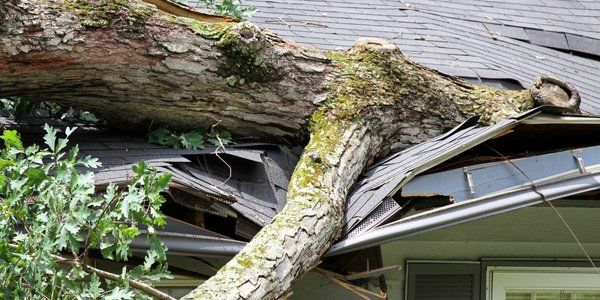
The morning after Vancouver’s latest windstorm, you step outside to find your beautiful 40-year-old maple leaning precariously toward your neighbor’s house, its massive trunk split but still partially connected. Your first thought might be panic—is it going to fall? Who’s responsib
The morning after Vancouver's latest windstorm, you step outside to find your beautiful 40-year-old maple leaning precariously toward your neighbor's house, its massive trunk split but still partially connected. Your first thought might be panic—is it going to fall? Who's responsible? Can it be saved?
You're not alone. Vancouver's increasingly intense storm seasons, driven by climate change, are creating more frequent tree emergencies that leave homeowners scrambling for answers. The good news is that many storm-damaged trees can be successfully stabilized and saved with proper emergency protocols and professional intervention. The key is knowing exactly what steps to take in those critical first hours after storm damage occurs.
Vancouver has specific emergency response procedures that every property owner should understand—from safety assessments to permit requirements for major tree work. Whether you're dealing with a partially uprooted heritage oak, a split-trunk ornamental cherry, or dangerous hanging branches, understanding these protocols can mean the difference between losing a treasured tree and successfully nursing it back to health while keeping your family and neighbors safe.
Immediate Response: The Critical First 24 Hours After Storm Damage
Urban tree canopy cover is declining in many cities due to climate change, aging trees, and increasing storm damage, which compromises air quality and urban resilience. Preservingmature urban treesprovides critical environmental benefits far beyond what new plantings alone can achieve. The first 24 hours after storm damage determine whether your tree can be stabilized or must be removed entirely. Damaged trees deteriorate quickly from stress, exposure, and infections that set in fast after initial trauma.
Safety assessment comes first. Never approach trees leaning on structures, entangled with power lines, or showing complete root failure. Vancouver Fire and Rescue Services should be contacted immediately if a damaged tree poses imminent danger. Their teams can arrange emergency stabilization or safe clearance.
Before any work, document everything thoroughly with time-stamped photos from multiple angles. This provides essential evidence for insurance, permits, and arborist consultations.
- Establish a safe perimeter around damaged trees
- Contact emergency services if danger exists
- Document damage with detailed photos
- Call ISA-certified arborists within hours
- Begin insurance claim documentation if necessary
Understanding Your Legal Responsibilities in Vancouver
Property owners are responsible for storm-damaged trees on their land. If neglected, fallen branches or trees that damage neighboring property may lead to liability claims against the homeowner.
TheCity of Vancouveronly clears trees blocking public roads or sidewalks. Cleanup, removal, and disposal remain the property owner's responsibility.
Permits may be required for removals even during emergencies. Vancouver's Protection of Trees Bylaw mandates permits for removing trees over 20 cm in trunk diameter. Emergency stabilizations often don’t need permits, butfull removalstypically do.
Insurance claims can be denied if a tree showed prior neglect. Prompt arborist assessments strengthen your legal and insurance position.
Professional Stabilization Techniques: How Arborist Vancouver Save Trees
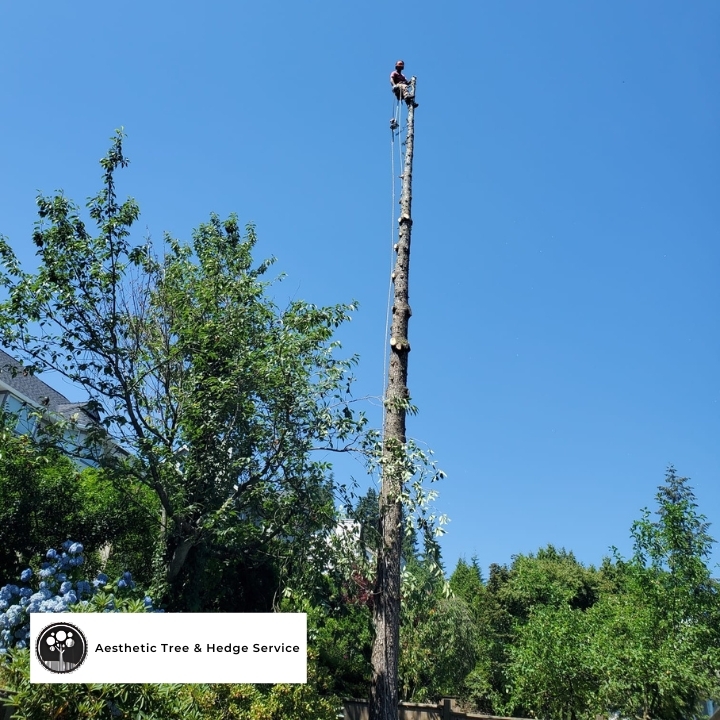
A certified arborist in Vancouver can often save trees that initially appear beyond repair. Techniques include:
- Cabling and bracing systems: Steel cables and bracing rods stabilize split trunks and redistribute stress.
- Root zone stabilization: Carefully winching uprooted trees upright, reconstructing root zones, and improving soil drainage.
- Canopy management: Strategic pruning to reduce wind resistance and rebalance damaged crowns.
- Wound care: Clean pruning cuts and protective wound treatments limit infection and promote healing.
Proper stabilization requires follow-up care. Professional monitoring every 6–12 months ensures adjustments and healthy recovery.
Permits and Approvals: Working with Arborist Vancouver Urban Forestry
The Urban Forestry Department enforces Vancouver's 2025 tree protocols. Emergency stabilizations can proceed without permits if immediate safety is at risk, but you must notify the City within 48 hours. Professional arborist reports are required for full tree removal permits and must include technical details about damage.
Heritage trees receive special protection and cannot be removed without extraordinary circumstances. Replacement planting may also be required after removal.
Insurance Documentation and Claims
Insurance coverage depends heavily on documentation. Homeowners should photograph storm damage from all sides and obtain professional assessments within days of the occurrence. Certified arborist reports provide credibility and detail to protect your claim.
Emergency stabilization costs such as temporary bracing or pruning are usually covered, but long-term maintenance may not be. Separate claims might be required for property versus tree damage.
Long-Term Recovery and Maintenance
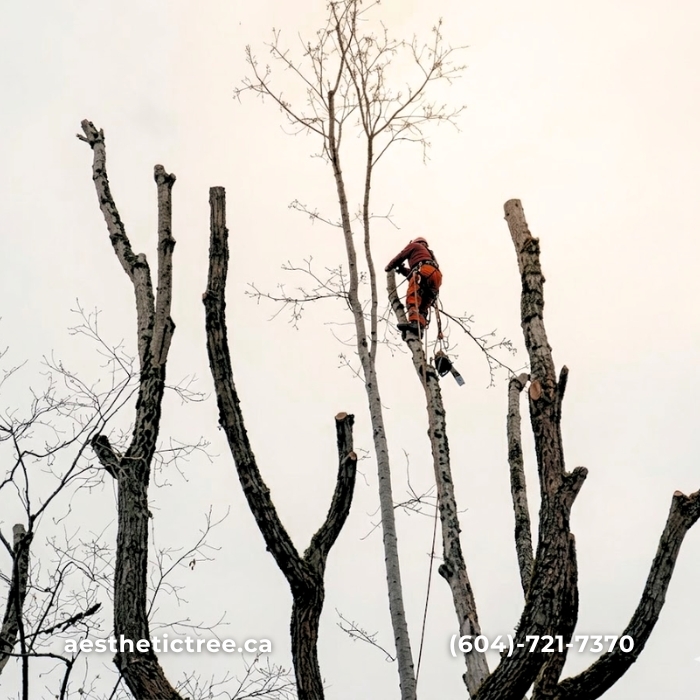
Stabilized trees require careful oversight for years. Cable systems need adjustments, bracing must be inspected, and annual pruning ensures safe growth. Mature trees may take 5–7 years for full recovery, but with professional monitoring, they can thrive again.
Aesthetic Tree Arborist Vancouver
Storm-damaged trees don’t always need to be removed. With timely action, legal awareness, and professional support, it’s possible to save valuable trees and protect your property. Treat stabilization as an investment in both safety and long-term property value.
If your property has suffered storm damage, don’t wait until it’s too late. Contact a certified arborist in Vancouver today for emergency stabilization or expert consultation. Preserving your trees may be more possible than you think.
FAQs
- How quickly should I call an arborist in Vancouver after a storm? You should contact a certified arborist in Vancouver within the first 24 hours after major storm damage. Early stabilization often makes the difference between saving and losing a tree.
- Does Aesthetic Tree and Hedge Care offer emergency storm response? Yes, our team provides 24/7 emergency storm response and stabilization services across Vancouver. We specialize in saving storm-damaged trees whenever possible.
- Can an arborist prevent trees from falling in future storms? While no tree can be made completely storm-proof, arborists use pruning, cabling, and root care to greatly reduce the risk of future storm damage. Preventive maintenance is often more cost-effective than emergency removals.
- What’s the average cost of emergency tree stabilization in Vancouver? Costs vary based on tree size, severity of damage, and location, but most emergency interventions range from a few hundred to several thousand dollars. An inspection from a certified arborist provides a clear estimate.
- Why choose a local Vancouver arborist for tree care? Local arborists understand city regulations, Tree Protection Bylaws, and are experienced with Vancouver-specific species and soil conditions. Choosing an arborist in Vancouver ensures faster response times and compliance with local standards.
People Also Ask
- Can storm-damaged trees be replanted after they fall? In most cases, trees that are fully uprooted cannot be replanted successfully. However, partial root system failures sometimes allow stabilization and recovery.
- What should I do if my neighbor’s tree falls on my property? Responsibility typically depends on whether the tree was healthy before the storm. If it was neglected, the neighbor may be liable for damages.
- Are storm-damaged trees more vulnerable to pests? Yes, open wounds provide easy access for insects and fungal infections. Preventive treatments from professional arborists reduce these risks.
- How long does a stabilized tree need support cabling? Most trees require 3–5 years of cabling or bracing, with adjustments and inspections during each growing season. Mature trees may need even longer.
- What’s the environmental benefit of saving storm-damaged trees instead of removing them? Preserving mature trees maintains urban canopy cover, reduces stormwater runoff, and supports biodiversity. Tree preservation also helps sequester carbon, boosting Vancouver’s climate resilience.
Our Tree Care Services
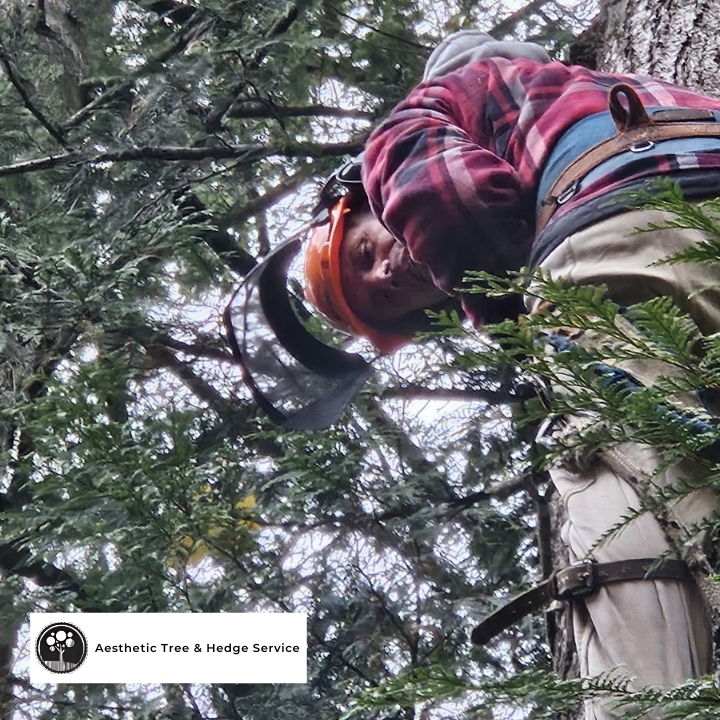
ISA-certified arborists serving Greater Vancouver
Explore Our Tree Care Services
From expert pruning to safe tree removal, our ISA-certified arborists are ready to help across Greater Vancouver.
View Services