Grubs and moles turn pristine lawns into battlegrounds, but natural controls like nematodes and smart cultural practices reclaim your turf without toxic chemicals. Homeowners in Vancouver can dominate these pests using proven, eco-friendly tactics that boost soil health and long-term resilience. Dive into these expert strategies for Vancouver lawn pests control that deliver results fast.
Spotting the Enemy: Know Your Lawn Pests
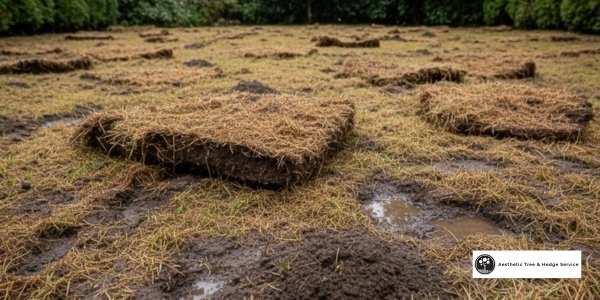
Grubs—the plump, C-shaped larvae from beetles like European chafers—devour roots underground, letting grass pull up like carpet in Vancouver’s damp springs. Local populations surge to 10-15 grubs per square foot, wiping out 50% of turf in unchecked yards. Moles tunnel furiously after them, creating ridges that wreck aesthetics and equipment; watch for wilting patches in late summer or skunk raids on their feasts.
Vancouver’s mild climate amplifies these cycles—spring and fall feeding peaks demand immediate action. Early detection saves your sod; tug tests reveal the damage before it’s irreversible.
Grub-Busting Naturals That Actually Work
Ditch neonicotinoids that poison waterways; unleash beneficial nematodes like Heterorhabditis bacteriophora, microscopic assassins killing 80-90% of grubs in moist soil applications. Drench 1 billion nematodes per 3,000 square feet at dusk above 60°F for peak kills. Dust diatomaceous earth (DE) at 2-3 pounds per 1,000 square feet to dehydrate exoskeletons, thriving in our dry summers.
European chafer grubs infest over 25% of Fraser Valley lawns annually, per a 2023 University of British Columbia entomology report.
Neem oil scrambles grub hormones—mix 2 tablespoons oil, 2 teaspoons soap per gallon, soak weekly for three hits. These outperform milky spore in BC’s fickle weather; aerate first to expose pests, spiking success 30%. No guesswork—apply post-rain for maximum penetration.
Tackling Mole Mayhem Head-On
Starve moles by slashing grubs first, then flood tunnels 30 minutes or stuff castor oil-soaked cotton (1-2% concentration) into runs. Vibrating stakes deter 70% via predator vibes; gravel trenches block returns. Traps—scissor or harpoon—nab 90% on fresh mounds.
Cut water to 1 inch weekly; excess draws worm buffets. These tactics force moles out without poisons, restoring flat, mowable ground fast.
Building Turf Resilience for the Long Haul
Sow deep-rooted tall fescues (roots to 4-6 feet) over shallow bluegrass, starving surface munchers. Overseed at 7-10 pounds per 1,000 square feet, mow 3-4 inches high, topdress compost yearly—PNW trials show 60% less damage in three years. Balance pH 6.0-7.0 in clay-loams; tests spot excesses luring beetles.
This isn’t quick-fix fluff—it’s foundational Vancouver lawn pests control that prevents comebacks.
Vancouver-Specific Lawn Pest Control Stats
Vancouver sees 70% of homes with lawns, 25% hit yearly by grubs costing $500+ in fixes—European chafers ravaged 1,200+ Fraser Valley acres in 2024. For expert Vancouver lawn pests control, tackle infestations head-on with these methods tailored to our rainy seasons and coastal soils. Local data underscores the urgency: act now or face patchy disasters.
Your Step-by-Step Implementation Roadmap
Day one: nematode drench. Day two: DE. Week two: neem, deep-water sparingly. Soap flush (1 tablespoon per gallon) scouts grubs instantly—expect 50% drop in weeks. Plant alliums for sulfur repellents. Budget $50 for 5,000 square feet.
Follow this blueprint religiously; results compound over seasons.
Beyond the Battle: Sustainable Maintenance
Scout monthly post-rain; attract robins devouring 100 grubs daily. These align with Lower Mainland eco-bylaws banning broad poisons. Build vigor chemicals can’t touch—your lawn thrives as a pest-proof powerhouse.
Take Control Today: Vancouver Lawn Pests Control
Don’t let grubs and moles win another season—roll up your sleeves with these natural power moves and transform your Vancouver lawn into an unbreakable fortress. Ready for professional backup on tough Vancouver lawn pests control? Contact the experts at www.aesthetictree.ca right now for a free consultation and customized plan that guarantees results. Your dream yard starts here—act today!
Frequently Asked Questions
1. Can companion planting deter lawn grubs effectively?
Planting garlic, chives, or daffodils around lawn edges releases natural allicin and alkaloids that repel egg-laying beetles. These perennials establish quickly in Vancouver soils and provide season-long protection without ongoing maintenance.
2. How does lawn aeration timing impact grub control?
Aerate in early spring before grub eggs hatch to disrupt life cycles and improve natural predator access. This single annual pass enhances soil drainage, reducing the moist conditions grubs crave by up to 40%.
3. What role do predatory beetles play in natural grub management?
Ground beetles like Pterostichus species hunt grubs nocturnally, consuming dozens nightly in healthy ecosystems. Encourage them by minimizing tilling and adding mulch borders to boost populations organically.
4. Need pro help for Vancouver lawn pests control?
Local specialists handle severe infestations with targeted natural applications, restoring turf fast in our wet climate. Contact www.aesthetictree.ca for reliable Vancouver lawn pests control that prevents recurrence.
5. Does coffee grounds application harm beneficial soil organisms?
Sprinkled grounds act as a mild grub toxicant while enriching nitrogen, but use sparingly at 1 cup per square yard to avoid acidity spikes. They decompose fast, feeding microbes that compete with pests.
People Also Ask
1. Are solar-powered mole repellents reliable long-term?
These devices emit ultrasonic pulses and vibrations mimicking predators, deterring 60-75% of moles after two weeks. Position multiple units 20-30 feet apart for full-yard coverage.
2. How do essential oils target mole tunnels specifically?
Peppermint or eucalyptus oil-soaked rags stuffed into runs overwhelm moles’ sensitive noses, prompting evacuation in 48 hours. Refresh bi-weekly during active seasons for sustained results.
3. What soil amendments starve earthworms and thus moles?
Gypsum loosens clay without excess moisture, cutting worm numbers by drying out tunnels. Apply 40 pounds per 1,000 square feet annually for balanced, pest-resistant soil structure.
4. Struggling with Vancouver lawn pests control in rainy seasons?
Pros deploy season-specific nematodes and barriers that thrive in wet conditions, cutting damage 70%. Reach www.aesthetictree.ca for customized Vancouver lawn pests control plans.
5. Can chickens naturally eliminate lawn grubs overnight?
A supervised flock of 10-15 birds scratches up and devours 90% of grubs in confined areas within days. Rotate them via portable coops to avoid overgrazing while maximizing pest purge.
Tags: Vancouver lawn pests control, grubs, moles, beneficial nematodes, natural pest control