
What Are the Best Strategies to Improve Lawn Health and Manage Weeds? | Arborist Vancouver Guide
January 7, 2026 · 6 min read
Struggling with a patchy, weed-infested lawn? The real pros know that peak lawn health demands aggressive, science-backed tactics—not timid guesswork. AtAesthetic Tree, we've transformed countless Vancouver-area yards into lush, resilient turf that laughs off weeds and environmental stress.
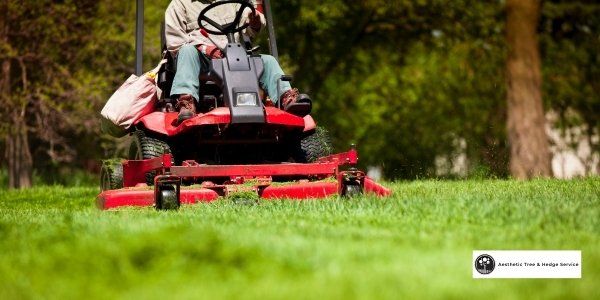
Master Mowing for Density
Cut grass to 6-8 cm (2.5-3 inches) religiously; shorter blades expose soil to weed seeds and weaken Kentucky bluegrass roots, common in BC's cool-season lawns. This height fosters tillering—side shoots that thicken the sward, slashing dandelion invasion by up to 50% per studies from the University of Guelph's turf program. Leave clippings on the lawn; they recycle 25-30% of nitrogen needs, dodging synthetic N overkill that spikes leachate in clay-heavy Lower Mainland soils.
Sharp blades prevent ragged tears inviting fungal pathogens like dollar spot (Sclerotinia homoeocarpa). Mow weekly during Vancouver's wet springs, alternating directions to avoid ruts and promote upright growth. Skip scalping—it's a weed magnet.
AUniversity of Guelphturfgrass study shows that healthy lawns with proper care reduce weed density by up to 70% through enhanced root competition and microbial activity.
Deep Watering Builds Drought Armor
Ditch shallow daily sips; soak 2.5 cm (1 inch) weekly, early morning to cut evaporation 20-30% and evade night-time dew that brews brown patch (Rhizoctonia solani). Probe soil with a screwdriver—if it penetrates 15 cm easily post-rain, hold off. Clay-loam prevalent in Fraser Valley holds moisture, so overwatering breeds anaerobic root rot from Phytophthora.
Catch-can tests confirm output: aim for 45-60 minutes per zone on rotary sprinklers. In parched July-August, when Metro Vancouver evapo-transpiration hits 5-6 mm/day per Environment Canada data, supplement to hit that inch, targeting crowns not leaves. Deep roots fend off crabgrass better than surface sippers.
Aerate to Unlock Soil Potential
Compacted soils—ubiquitous under Vancouver's foot traffic and winter sogginess—stifle lateral root expansion, capping N-uptake at 50% efficiency. Core aerate annually in September, pulling 7-10 cm plugs every 10 cm; this boosts infiltration rates from 1 cm/hour to over 5 cm/hour, per USGA Green Section research adapted for Canadian turf.
Topdress with 0.5 cm compost post-aeration; it dilutes thatch (dead clipping layer over 2 cm thick) and inoculates with mycorrhizal fungi for phosphorus solubilization. Fraser Valley clients see 30-40% weed drop after one pass, as oxygenated roots outcompete Poa annua.
Fertilize Smart, Not Hard
Bag the big-box spikes; granular slow-release NPK (say, 16-4-8 with 50% slow-release nitrogen) at 1 kg N/100 m² splits into 3-4 apps from April-October keeps Brix levels high, repelling aphids and chafer beetles. Organic amendments like Milorganite cut burn risk and feed soil microbes, enhancing cation exchange capacity (CEC) in acidic BC podzols (pH 5.5-6.5).
Soil test first—aim for 50-100 ppm K, 20-40 ppm P. Vancouver lawns average 15-20% organic matter deficit; compost teas spike it, boosting drought tolerance 25%. Over-fertilizing? It fuels lush topgrowth at root expense, inviting powdery mildew surges in humid falls.
Pre- and Post-Emergent Weed Warfare
Prevention trumps cure: pre-emergents like prodiamine (apply at 1.5-2 kg/ha when forsythia blooms) create a herbicide barrier, nuking crabgrass germination by 90% without touching fescue. Time it for 10°C soil temps, standard by mid-April in Greater Vancouver per AgCanada climate normals.
Post-emergent? Glyphosate for spot-treat broadleaves, but 2,4-D + mecoprop + dicamba blends torch dandelions (Taraxacum officinale) at 80-90% efficacy on actively growing rosettes below 27°C. Rotate modes of action yearly to dodge resistance—ALS-inhibitors like foramsulfuron next season. Integrated pest management (IPM) scouts weekly; pull nutsedge early, as its tubers laugh at most chemistry.
Overseed for Thickened Defenses
Thin stands invite foxtail barley; broadcast 5-10 g/m² perennial ryegrass (Lolium perenne) or fine fescue post-aeration, timing for 15-20°C soils in early September. Germination hits 80% with consistent moisture, outpacing weed seedlings by two weeks. Cultivars like 'Manhattan' rye offer endophyte protection against billbugs, slashing damage 60% in trials.
Vancouver's 1,100-1,200 CHU growing season favors cool-season mixes; avoid warm-season intruders like zoysiagrass that flop in shade.
Thatch Management and pH Tweaks
Excess thatch ( 1.5 cm) binds fungicides and repels water, fostering take-all patch (Gaeumannomyces graminis). Verticut in May-June, then topdress. Test pH annually—Metro Vancouver averages 6.0-6.5, ideal for turfgrasses; dolomitic lime at 2 tonnes/ha lifts low spots without magnesium overload.
Local Stats: Vancouver Lawn Realities
In Greater Vancouver, 65% of residential lawns suffer compaction from clay subsoils and 1,200+ mm annual precip, per UBC Turfgrass Research stats (ubc.ca/turf). Weed pressure? Dandelions infest 40% of yards untreated, but IPM drops it to 5-10%, mirroring Fraser Valley Extension reports. Drought stress hit 30% of lawns in 2024's dry spell, recoverable via deep watering—aeration combos boosting resilience 35%, Environment Canada data confirms.
Aesthetic Treecrews handle this daily, hitting 95% client satisfaction on weed-free transformations. Skip DIY pitfalls; our precision apps leverage local soil maps for tailored strikes.
Long-Term Resilience Blueprint with Arborist Vancouver Expert
Combine these: mow high, water deep, aerate, fertilize balanced, herbicide strategically, overseed aggressively. Expect 70-80% weed suppression Year 1, 90%+ by Year 2. Shade issues? Switch to fine fescues. Pets? Opt chelated iron over harsh chems.
Vancouver's microclimates vary—coastal mildness breeds rust (Puccinia spp.), inland heat sparks anthracnose. Monitor with apps like TurfDiag. Your lawn isn't just grass; it's an ecosystem demanding dominance.
Ready to reclaim yours?Book Aesthetic Treefor a soil audit and custom plan. We've greened thousands—yours next.
FAQs
1. How does lawn health impact property value in Vancouver? A vibrant, weed-free lawn signals meticulous care, potentially boosting curb appeal and home resale value by 5-15% according to real estate studies. Healthy turf also reduces neighborhood blight, making your property stand out in competitive markets like Fraser Valley.
2. What role does soil microbiology play in lawn health? Beneficial microbes like rhizobacteria fix nitrogen naturally, enhancing root mass by 20-30% and outcompeting weed pathogens. Neglect them, and anaerobic bacteria thrive in wet BC soils, leading to black layer disease that kills from below.
3. How can I manage lawn pests without chemicals? Introduce predatory nematodes targeting grubs—apply in evening coolness for 85% kill rates on European chafers common in Vancouver. Pair with neem oil drenches to disrupt insect molting, preserving pollinators while maintaining turf vigor.
4. Ready to supercharge your lawn health? Contact Aesthetic Tree for expert weed management services tailored to Vancouver's unique soils. Our pros deploy precision IPM protocols that slash weeds by 90% in one season, saving you weekends of toil.Book now at Aesthetic Treeand watch your yard transform.
5. How does climate change affect lawn health in BC? Erratic winters bring more Poa annua invasions, while hotter summers stress cool-season grasses—adapt with drought-tolerant cultivars like tall fescue blends. Proactive overseeding buffers against these shifts, ensuring year-round resilience.
People Also Ask
1. Can coffee grounds improve lawn health? Sprinkle used grounds sparingly—they add organic nitrogen and deter slugs without spiking pH in acidic BC soils. Overdo it, and caffeine inhibits grass seed germination; integrate via compost for balanced release.
2. What's the best grass seed for shady Vancouver lawns? Fine fescues like creeping red excel in low-light, tolerating 4-6 hours of filtered sun while suppressing moss. Mix with perennial rye for quick cover, hitting 70% establishment in shaded lots.
3. How often should I sharpen mower blades for optimal lawn health? Sharpen every 20-25 hours of use to avoid tearing blades that invite brown patch fungi. A clean cut conserves moisture and speeds recovery, vital in humid coastal climates.
4. Transform your lawn health with Aesthetic Tree's professional services—Vancouver's go-to for weed-free perfection. We blend local expertise with cutting-edge tools for results that DIY can't match.Visit Aesthetic Treetoday for a free assessment.
5. Does Epsom salt benefit lawn health? Magnesium-deficient soils respond to 1-2 kg/ha applications, greening blades via chlorophyll boost. Test first—excess salts harm roots in clay-heavy Fraser Valley profiles.
Tags: lawn health, weed management, core aerate, pre-emergents, overseed, arborist vancouver
Our Tree Care Services
ISA-certified arborists serving Greater Vancouver
Explore Our Tree Care Services
From expert pruning to safe tree removal, our ISA-certified arborists are ready to help across Greater Vancouver.
View Services