
TL;DR — Quick Summary
neglecting landscaping trees consequences vancouver can mean hazards, bylaw trouble, storm damage, and costly cleanup. Get expert tree help.
neglecting landscaping trees consequences vancouver sounds like a dry search term until a cedar limb punches through a roof at 2:13 a.m.
Picture this.
It’s November in East Vancouver. Rain hits the windows sideways. The power flickers once. Then twice.
Outside, that old Big-leaf maple by the driveway groans. You heard it last winter too. You saw the dead limb in July. You meant to call someone.
Then comes the crack.
Not a little snap. A gunshot crack.
Now your fence is down. Your neighbour’s car is under branches. A wire is hanging low. Everyone is awake. Nobody is calm.
This is what tree neglect does. It waits. It gets quiet. Then it collects payment during the worst weather of the year.
Aesthetic Tree & Hedge Services sees this across Vancouver, Burnaby, North Vancouver, Richmond, Coquitlam, and the Lower Mainland. The warning signs are usually there. Deadwood. Mushrooms at the root flare. Soil lifted by roots. Heavy cedar tops. Hedges swallowed by snow load. Old topping cuts with rot behind them.
The problem is simple. Trees don’t fail because one storm is rude. They fail because years of small problems were left alone.
TL;DR
- Neglected trees become safety hazards. Dead limbs, weak unions, root decay, and poor pruning all raise failure risk.
- Vancouver rules matter. The City of Vancouver requires a permit for many private-property tree removals, including trees at least 20 cm in diameter measured 1.4 m above the base.
- Bad pruning makes good trees dangerous. Topping creates decay and weak regrowth. ANSI A300 pruning standards exist for a reason.
- Storms expose hidden defects. BC Hydro reported that nearly three-quarters of British Columbians experienced at least one weather-related outage in 2024.
- A proper hazard assessment beats emergency cleanup. If you see deadwood, cracks, leaning, root damage, or fungal growth, call an ISA-certified arborist before the next windstorm.
What happens when Vancouver homeowners ignore landscaping trees?
Ignoring landscaping trees turns a living asset into a liability.
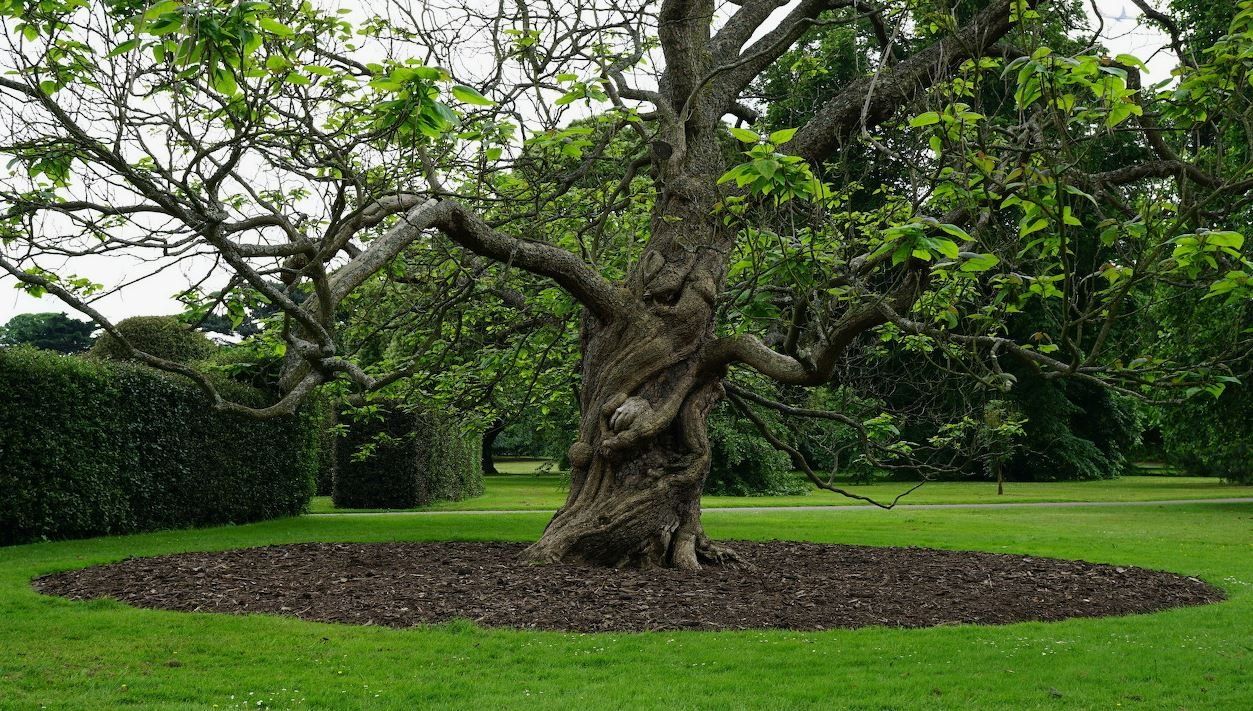
A healthy Douglas fir shades the yard. It softens rain. It adds privacy. It frames the house. A neglected Douglas fir becomes a 70-foot lever in wet soil.
A cedar hedge can screen a Kitsilano lane for decades. Leave it untrimmed, and it gets thin inside. Snow bends it. Wind opens it. Then the homeowner asks why it can’t be made dense again in one visit.
A Big-leaf maple can be safe for many years with correct structural pruning. Leave dead limbs over a garage, and every fall storm becomes a test.
The consequences usually fall into six buckets:
- Personal injury risk from falling limbs or whole-tree failure.
- Property damage to roofs, cars, sheds, decks, fences, and service lines.
- Bylaw trouble when a protected tree is cut, topped, or damaged without approval.
- Higher cleanup stress after storms.
- Declining tree health from pests, decay, girdling roots, and soil damage.
- Lost property appeal when hedges, stumps, and damaged crowns make the yard look abandoned.
According to the City of Vancouver’s 2025 Urban Forest Strategy, Vancouver’s canopy cover was about 25% in 2022, up from 23% in 2018 and 21% in 2013. The city’s target is 30% by 2050.
That matters for one reason.
Private trees are part of the city’s climate and safety system. When homeowners let them decline, the damage is not just cosmetic. It affects drainage, shade, heat, power reliability, and neighbourhood safety.
If a tree already shows major defects, a professional tree removal assessment in Vancouver is the safer first step. Not a guess. Not a chainsaw-first answer. A hazard assessment.
Why do neglected trees become dangerous during Vancouver storms?
Vancouver storms find weakness.
They find old pruning wounds. They find included bark. They find root rot. They find cedar tops that were never reduced with proper cuts. They find soil that has been compacted by parking, construction, and foot traffic.
Then wind and rain do the rest.
NASA reported that the November 10 to 16, 2021 atmospheric river dropped more than 12 inches of precipitation over a concentrated area near Vancouver and Seattle. That was not normal yard weather. That was soil-saturation weather.
When soil is saturated, roots lose grip. When roots lose grip, a tree with a heavy sail-like crown becomes unstable.
Now add drought stress.
BC Hydro’s 2025 storm outage report said 2024 was a record-breaking year for weather-related power outages. It also said nearly three-quarters of British Columbians experienced at least one weather-related outage in 2024. BC Hydro linked many storm problems to trees and vegetation weakened by years of drought.
That is the Lower Mainland pattern now. Dry summers. Wet falls. Wind events. Heavy rain. Then calls for emergency crews.
The danger signs are easy to miss if you don’t know trees:
- Fresh cracks in the trunk or major limbs.
- Mushrooms or conks near the base.
- Soil lifting on one side of the root plate.
- Dead branches in the upper crown.
- A sudden lean after wind or excavation.
- Cavities near old topping cuts.
- Bark splitting where two stems press together.
- Cedar limbs stretched over roofs, wires, or driveways.
In our experience, homeowners often call after the first big limb falls. The smarter call is before it falls.
For urgent storm damage, hanging limbs, split trunks, or trees on structures, use a trained crew that handles emergency tree service. Storm work is not weekend yard work. It is rigging, load reading, and safety control.
How can poor pruning make a tree more likely to fail?
Bad pruning is not harmless.
It is delayed damage.
Tree topping is the classic mistake. Someone cuts the top off a tree because it is “too tall.” The tree reacts by pushing fast new shoots near the cuts. Those shoots look like recovery. They are not. They are weakly attached growth around wounded wood.
The International Society of Arboriculture has warned for years that topping damages trees. The Nebraska Forest Service, citing ISA principles, explains that topping removes large branches back to stubs and leaves trees more open to decay, insects, and disease.
Here is the cruel part.
A topped tree often looks safer right after the work. It is shorter. It feels controlled. But rot starts behind the cut. New shoots grow fast. Five years later, those shoots are bigger, heavier, and poorly attached.
That is how a cheap pruning job becomes a future hazard.
Proper pruning follows tree biology. It respects branch collars. It uses reduction cuts when needed. It keeps enough live crown. It avoids stripping the inside of the canopy. It follows ANSI A300 standards.
For Vancouver homeowners, this matters most with:
- Cedars along property lines.
- Big-leaf maples over houses.
- Douglas firs near driveways.
- Cherry and plum trees with old cuts.
- Hedges that were allowed to get too tall.
- Trees near service lines or laneways.
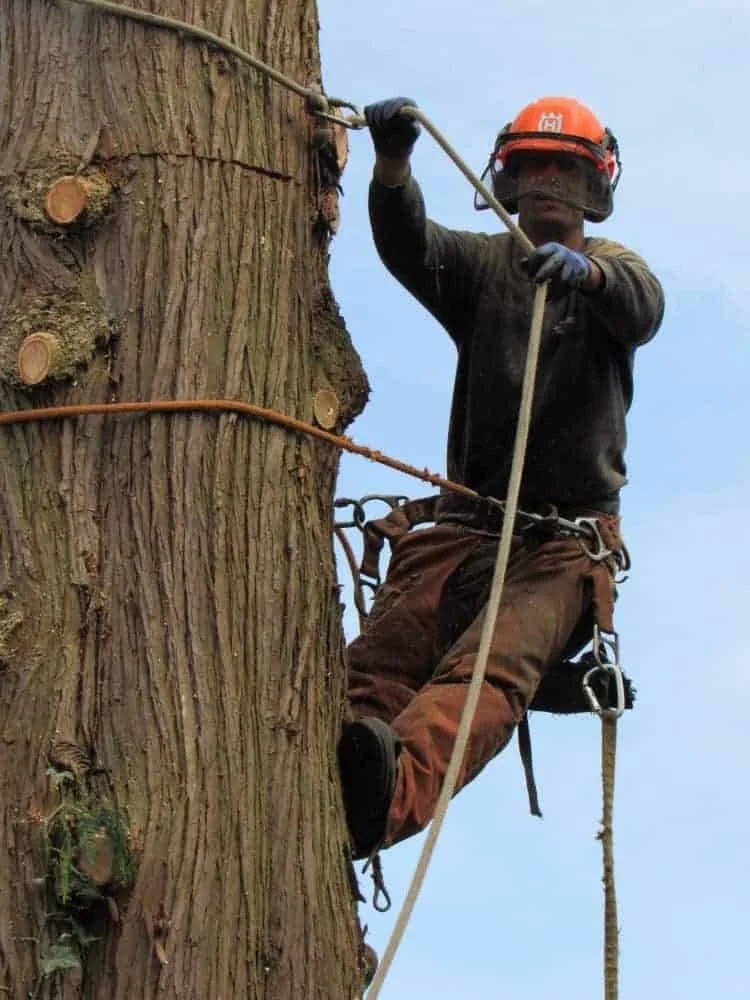
If a tree needs height or clearance work, hire an arborist for proper tree cutting in Vancouver. The goal is not just to cut wood. The goal is to reduce risk without ruining the tree.
What bylaw problems can happen when tree care is ignored?
Tree neglect becomes a bylaw problem when panic takes over.
A homeowner ignores a declining tree for years. Then a neighbour complains. Or a branch drops. Or a builder wants access. Suddenly someone wants the tree gone by Friday.
That is where mistakes happen.
The City of Vancouver says its Protection of Trees By-law applies when a private-property tree measures at least 20 cm in diameter, or 64 cm in circumference, measured 1.4 m above the base. The city also says removal permits apply only in specific cases, including dead, dying, diseased, hazardous trees, trees causing serious property damage, or trees inside an approved building envelope.
Richmond has a similar trigger. Under Richmond’s Tree Protection Bylaw No. 8057, cutting or removing a tree larger than 20 cm DBH generally requires a permit. Richmond also says topping trees on private and city property can lead to fines up to $50,000 per tree.
Burnaby is different again. The City of Burnaby says protected trees include, on non-development properties, conifers 30 cm or greater and deciduous trees 45 cm or greater. On development sites, the threshold is 20 cm.
This is why local knowledge matters.
Vancouver is not Burnaby. Burnaby is not Richmond. North Vancouver has its own rules. Coquitlam has its own process.
If your tree is hazardous, you still need the right paperwork. If your neighbour’s tree crosses the line, you still need to respect property and bylaw rules. If construction damaged roots, you need documentation before the situation gets worse.
An arborist report in Vancouver gives the city and the homeowner a professional record. It documents species, DBH, condition, defects, risk, and recommendations. That report can support a permit application when removal or major work is justified.
How does tree neglect damage roofs, drains, fences, and foundations?
Trees damage property in slow ways first.
Then fast ways.
Slow damage starts with clogged gutters, lifted pavers, cracked retaining walls, blocked views, and roots growing where they should not. Fast damage happens when a limb lands on the roof.
Both are expensive headaches. Both usually start with delayed maintenance.
Here are the common property problems we see around Vancouver homes:
- Branches rubbing roofs and wearing shingles.
- Limbs overhanging skylights and gutters.
- Roots lifting walkways and driveway edges.
- Dense hedges trapping moisture against fences.
- Stumps attracting decay organisms and insects.
- Trees planted too close to houses, drains, and service lines.
- Soil piled against the root flare, which encourages decay.
The root flare matters. It is the area where the trunk widens into the main roots. It should be visible. When mulch, soil, or landscaping fabric buries it, bark stays wet. Decay starts. Roots can circle the trunk. The tree loses strength from the base up.
That is not theory. That is what arborists look for during inspection.
Tree roots are often blamed for every foundation crack. That is too simple. Roots follow water and oxygen. They exploit weak points. Poor drainage, old pipes, compacted soil, and bad planting choices all play a role.
The right answer is diagnosis. Sometimes pruning helps. Sometimes root barriers help. Sometimes drainage work is needed. Sometimes a declining tree has to come out.
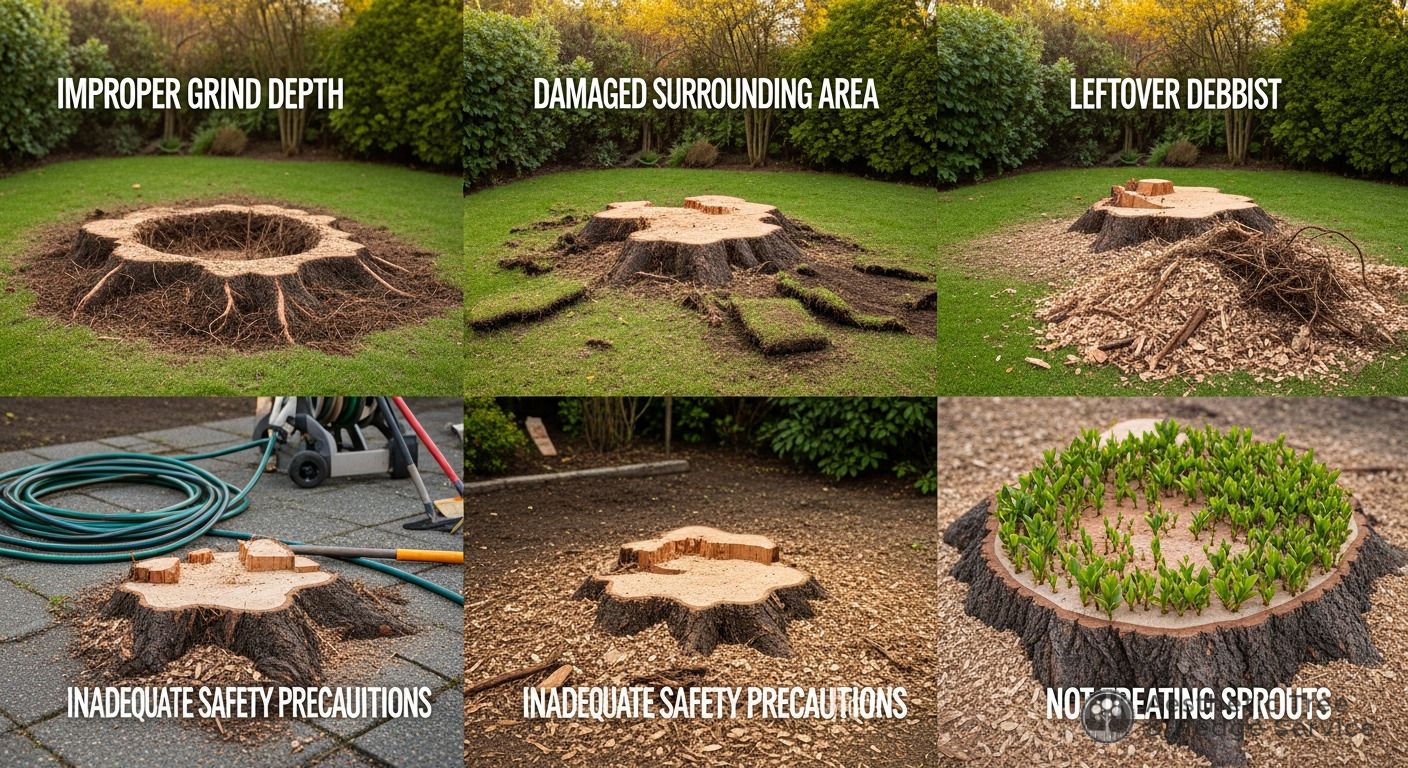
If a stump is left after removal, it keeps causing problems. It blocks replanting. It invites trip hazards. It gets in the way of fencing and landscaping. A proper stump grinding service in Vancouver clears the site so the yard can be repaired.
Why do overgrown hedges create more than an ugly yard?
An overgrown hedge is not just messy.
It is a wall of hidden problems.
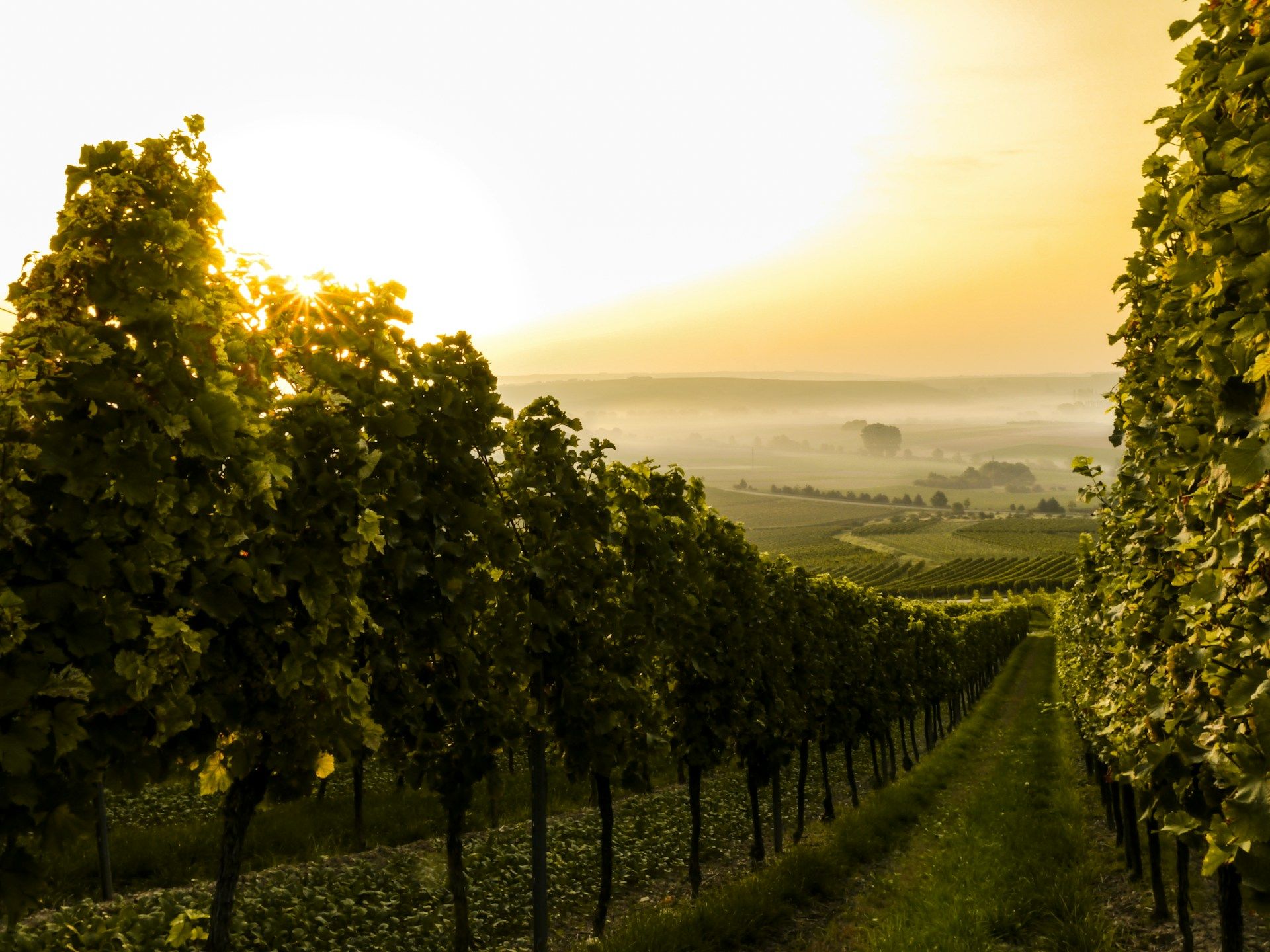
Cedar hedges are common across Vancouver and the North Shore. So are laurel, yew, boxwood, and privet. When they are trimmed on schedule, they stay dense and controlled. When they are ignored for years, they get woody inside. The green growth moves to the outer shell.
Then the homeowner asks for a hard cutback.
That is where disappointment starts.
Many hedges do not regrow well from bare old wood. Cut too far, and you get brown holes. Leave them too long, and they block sidewalks, trap moisture, push fences, and hold snow.
Neglected hedges also create security and visibility issues:
- Driveway sightlines get blocked.
- Walkways become narrow.
- House numbers disappear.
- Moisture sits against siding and fences.
- Rodents get cover near structures.
- Neighbours complain about encroachment.
For corner lots in Burnaby, Richmond, and Vancouver, sightline issues can become a real safety concern. A hedge that blocks a driver’s view is not just unattractive. It affects people.
Routine hedge trimming services in Vancouver keep hedges within a recoverable shape. The earlier you maintain them, the less brutal the cuts need to be.
How does neglect affect Vancouver’s heat, drainage, and urban canopy?
A neglected tree is not always a tree that dies tomorrow.
Sometimes it is a tree that slowly stops doing its job.
Vancouver needs working canopy. Not just more trees on paper. Healthy canopy.
The City of Vancouver’s 2025 Urban Forest Strategy says canopy cover reached about 25% in 2022, with a 30% target by 2050. The city also reported in its 2018 strategy that Vancouver had about 147,000 street trees, accounting for roughly one-third of the city’s canopy cover.
Burnaby’s 2025 Urban Forest Strategy says Burnaby had 32% canopy cover as of 2022 and aims for 40% by 2075. The city also reported more than 32,000 boulevard trees and estimated over $8 million in annual ecosystem service value from its urban forest.
Those numbers sound big. But one neglected private tree still matters on a hot block.
The U.S. Environmental Protection Agency reports that shaded surfaces can be 20 to 45 degrees Fahrenheit cooler than unshaded surfaces during peak heat. That matters during heat events in Sunset, Marpole, Mount Pleasant, Renfrew-Collingwood, and other areas with lower canopy.
Trees also help with rain.
The U.S. Forest Service and National Park Service both describe how tree canopy slows rainfall, intercepts water on leaves and branches, and helps soil absorb more water through root systems. That does not replace drainage. But it helps reduce runoff pressure.
Neglect weakens that system. A stressed tree drops leaves early. A topped tree loses canopy. A compacted root zone absorbs less water. A dead tree shades nothing.
Healthy tree care is not just curb appeal. It is small-scale climate control for the property.
When should a homeowner call an ISA-certified arborist?
Call an ISA-certified arborist when you see defects, not after the defect becomes a claim.
That is the direct answer.
Most homeowners wait for obvious danger. A split trunk. A fallen limb. A tree leaning over the bedroom. But trees often show quieter warnings first.
Call for an inspection when you see:
- Dead branches larger than your wrist.
- Fungal growth at the base or on the trunk.
- A new lean after wind or excavation.
- Cracks in the trunk or major limbs.
- Cavities with soft or punky wood.
- Soil lifting around roots.
- Branches touching the roof.
- Heavy limbs over parking areas.
- A tree damaged by construction.
- A hedge that has grown beyond recoverable shape.
Also call before buying a house with large trees. Call before building a laneway home. Call before trenching near roots. Call before cutting any protected tree.
An arborist does not always recommend removal. A good arborist looks at species, site, targets, defects, tree vitality, and options. Some trees need pruning. Some need cabling. Some need root zone care. Some need removal because the risk is real.
For weak unions or large limbs with correctable structure, tree cabling can reduce movement and support the tree when the situation fits. It is not a cure for decay. It is a tool used after assessment.
For new plantings, the best risk control is species and site selection. A proper tree planting service helps avoid future conflicts with roofs, drains, power lines, and tight yards.
What should Vancouver homeowners do before cutting or removing a tree?
Do three things before cutting.
First, identify the tree. Species matters. A cedar, Douglas fir, cherry, and Big-leaf maple do not respond the same way to pruning.
Second, measure DBH. That means diameter at breast height. In Vancouver and Richmond, 20 cm DBH is a key permit trigger for many private trees. In Burnaby, the trigger changes by property type and tree type.
Third, document the condition. Take photos. Note defects. Check whether the tree is dead, dying, diseased, hazardous, causing serious damage, or affected by approved construction.
Then call an ISA-certified arborist.
This protects you. It protects the tree. It protects the crew. It also protects your permit file if the city asks questions.
Never let a door-knock crew talk you into fast removal of a protected tree. Never top a tree to “avoid permit trouble.” Never cut roots during landscaping and hope the tree adjusts.
Root damage is serious. Cutting major roots changes stability and water uptake. In tight Vancouver lots, that can turn a manageable tree into a hazard.
If the tree is too close to structures or access is difficult, specialized rigging or crane tree removal may be safer than dropping sections into a yard. The method should match the site.
What is the safest seasonal tree care plan for the Lower Mainland?
Tree care in Vancouver should match the weather calendar.
Winter shows structure. Leaves are gone on deciduous trees. Defects are easier to see. It is a good season for many pruning jobs, hazard checks, and storm cleanup.
Spring shows vitality. Bud break, leaf size, dieback, and flowering tell a story. This is a good time to inspect winter damage and plan care before summer stress.
Summer shows water stress. Watch for early leaf drop, scorching, sudden branch dieback, and pest pressure. Avoid heavy pruning during heat stress unless safety demands it.
Fall is preparation season. Clear deadwood. Check cedar hedges. Inspect trees before atmospheric rivers and wind events. Make sure branches are not rubbing roofs or hanging over service lines.
A simple annual plan works:
- Inspect large trees once a year.
- Prune for structure before limbs get too heavy.
- Keep the root flare visible.
- Mulch correctly, away from the trunk.
- Water young trees during dry spells.
- Trim hedges before they grow beyond their shape.
- Remove dead, dying, or hazardous trees with permits when required.
- Grind stumps when they block safe use of the yard.
For a deeper seasonal breakdown, Aesthetic Tree also has a seasonal tree care guide that fits Lower Mainland weather patterns.
FAQ
What are the first signs that a landscaping tree is being neglected?
The first signs are dead branches, rubbing limbs, fungal growth, buried root flare, thinning crown, poor leaf colour, and branches touching roofs or wires. Hedges show neglect through brown interiors, bare lower sections, and uneven heavy tops.
Do I need a permit to remove a tree in Vancouver?
Often, yes. The City of Vancouver says a tree removal permit is required for trees that meet protected size and condition rules, including many trees at least 20 cm in diameter measured 1.4 m above the base. Always check before cutting.
Is tree topping ever a good idea?
No for normal landscape tree care. Topping creates large wounds, decay, and weak regrowth. Proper pruning uses selective cuts based on tree structure and ANSI A300 standards.
Can neglected trees affect home insurance?
A neglected tree can create claim problems if damage follows known hazards. Insurance details vary by policy. The safer move is to document inspections, follow arborist advice, and fix hazards before storm season.
How fast should I act if a tree is leaning after a storm?
Act the same day. A new lean, lifted soil, cracked trunk, or hanging limb is a hazard. Keep people away from the area. If wires are involved, call 911 and BC Hydro. Then call a qualified emergency tree crew.
Who should Vancouver homeowners call before the next storm?
Here is the plain truth.
The tree does not care that you were busy.
It does not care that the branch looked fine last summer. It does not care that the hedge only blocks the driveway a little. It does not care that the roots were cut for a fence post and covered back up.
Trees respond to biology, load, decay, wind, and soil. That is it.
If you have a large cedar, maple, fir, cherry, hedge, or stump causing concern, get it looked at before the weather makes the decision for you.
Call Aesthetic Tree & Hedge Services for a free estimate at (604) 721-7370. Our ISA-certified arborists are WCB registered, safety-first, and experienced with Vancouver, Burnaby, North Vancouver, Richmond, Coquitlam, and Lower Mainland tree bylaws.
Before You Go
Where are you in your tree care journey?
Our Tree Care Services
ISA-certified arborists serving Greater Vancouver
Explore Our Tree Care Services
From expert pruning to safe tree removal, our ISA-certified arborists are ready to help across Greater Vancouver.
View Services