
TL;DR — Quick Summary
Beautiful trees define Vancouver's landscape. Discover BC's most stunning species, what keeps them thriving, and when ISA-certified arborists can help protect your property.
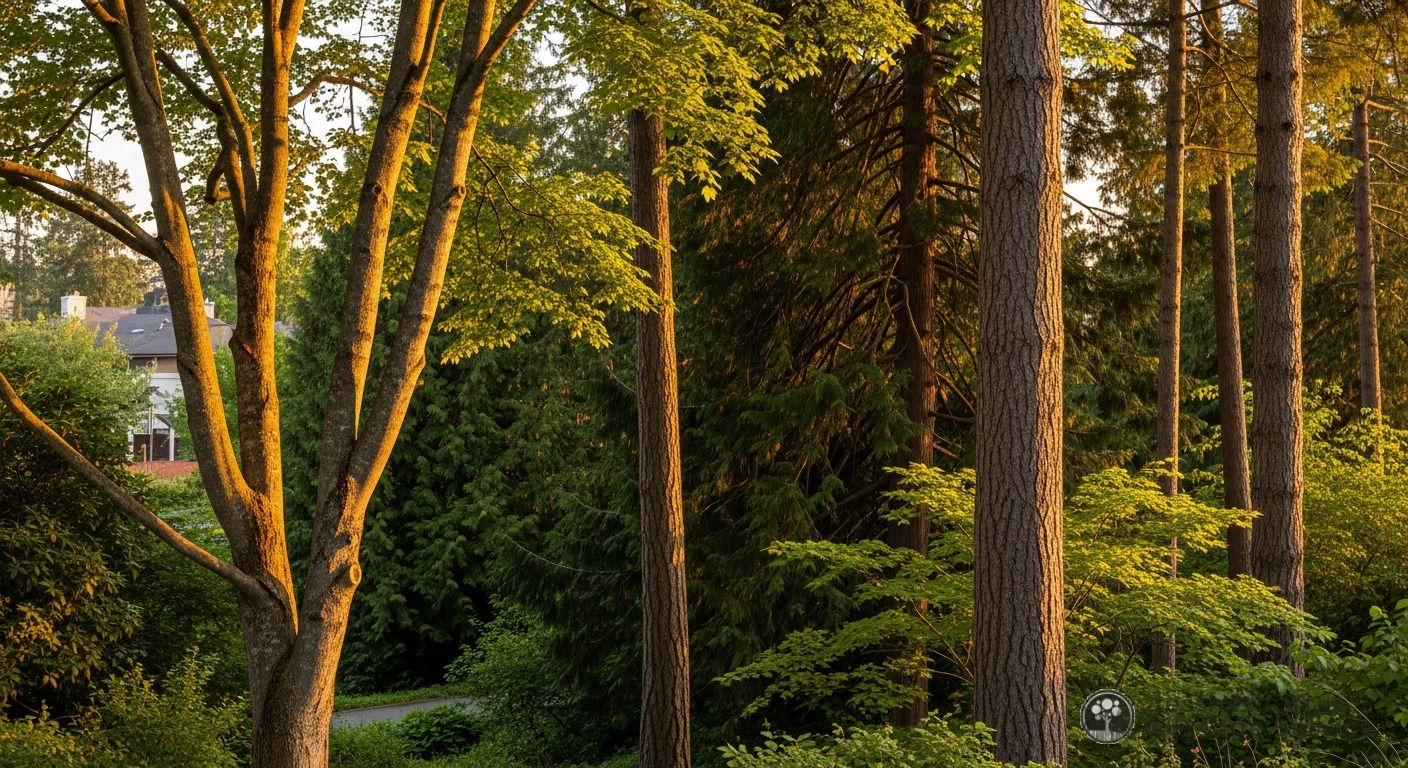
SUCCESS: The process with PID 63672 (child process of PID 51304) has been terminated. SUCCESS: The process with PID 51304 (child process of PID 62912) has been terminated. SUCCESS: The process with PID 62912 (child process of PID 62244) has been terminated. SUCCESS: The process with PID 62244 (child process of PID 64376) has been terminated. SUCCESS: The process with PID 58212 (child process of PID 64376) has been terminated. SUCCESS: The process with PID 35568 (child process of PID 54568) has been terminated. SUCCESS: The process with PID 54568 (child process of PID 276) has been terminated. SUCCESS: The process with PID 276 (child process of PID 62492) has been terminated. SUCCESS: The process with PID 62492 (child process of PID 64376) has been terminated. Beautiful trees are everywhere in Vancouver. They help define the city.
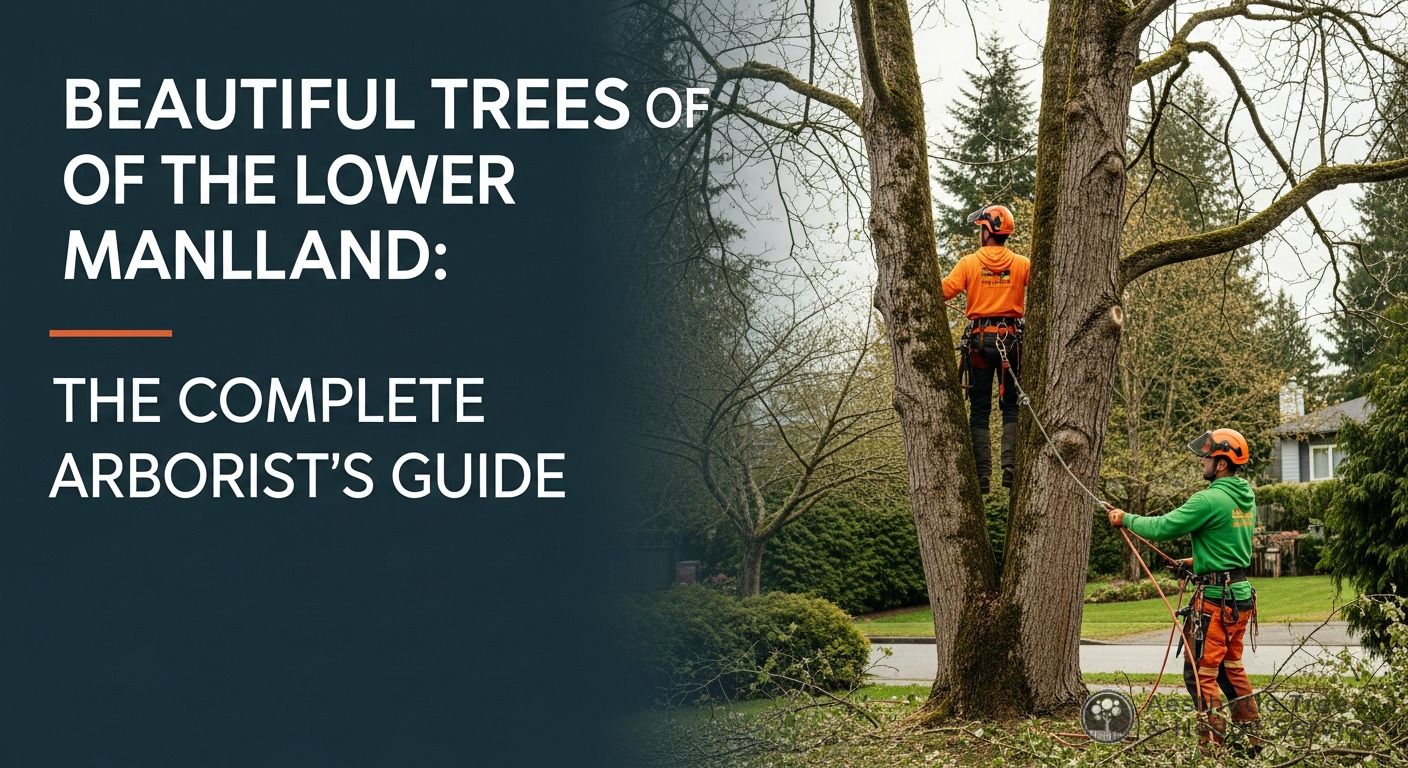
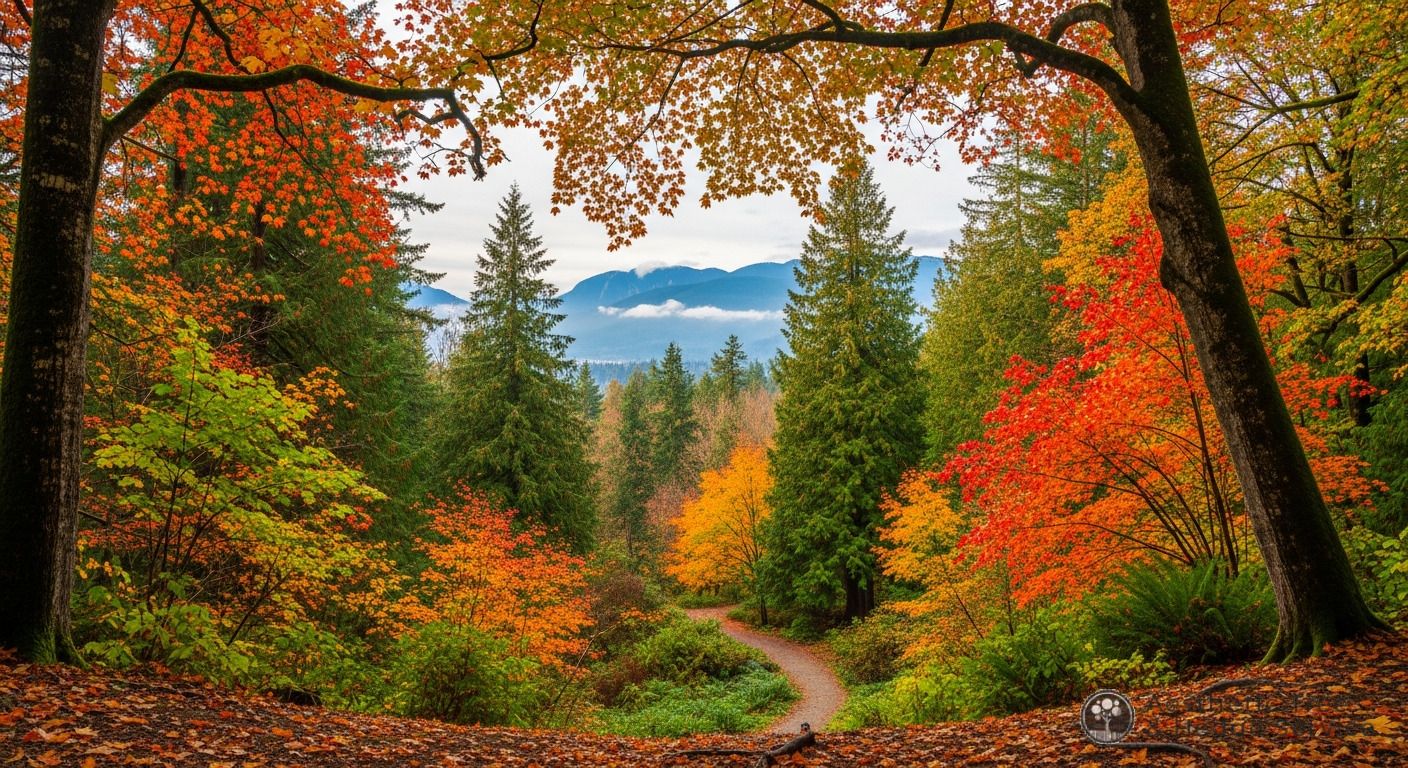
Douglas fir rises above Coquitlam's green belts. Big-leaf maple turns bright gold across Burnaby streets each October. Western red cedar — BC's provincial tree — lines the trails of Stanley Park.
But beauty needs care. A neglected tree does not just look bad. It can become weak and unsafe. Deadwood builds up. Fungal conks may appear at the base. Root flare can disappear under piled soil. Over time, a tree that once added $20,000 to your property value can become a liability. It may cost more to remove than it is worth.
> *Pricing figures in this article are based on available market data and regional industry reports. They represent typical ranges and are not reflective of case-by-case project pricing. Contact AestheticTree for a personalized assessment.*
This guide covers Vancouver's most beautiful tree species. It also explains how to keep them healthy and how professional care helps prevent decline.
TL;DR
- Vancouver's urban forest covers approximately 22% of the city's land area, according to the City of Vancouver's 2018 Urban Forest Strategy — well below the 30% target set for 2050
- The Lower Mainland's most celebrated trees include western red cedar, Douglas fir, Big-leaf maple, Pacific dogwood, and Japanese flowering cherry
- Urban trees in poor structural condition can lose 30–70% of their appraised value, per the Council of Tree and Landscape Appraisers' *Guide for Plant Appraisal*
- Vancouver's Private Tree Bylaw protects trees with a trunk diameter of 20 cm or greater — removal requires a permit and a signed arborist report
- ISA-certified arborists following ANSI A300 pruning standards extend tree lifespan and preserve structural beauty
---
What Makes a Tree Beautiful? (The Arborist's Definition)
Tree beauty has a technical side. Arborists look at structure before appearance.
**Crown symmetry.** A healthy crown spreads weight evenly. In conifers, one strong leader gives the tree height and shape. In hardwoods like Big-leaf maple, balanced stems create a wide, layered canopy. Symmetry often shows good health. Asymmetry can point to old storm damage or poor pruning.
**Root flare visibility.** The root flare is where the trunk widens into the roots at ground level. It should be visible. When it is buried by soil, poor planting, or too much mulch, the tree's vascular system can suffer. Buried root flares are one of the most common causes of early decline in urban trees.
**Bark integrity.** Mature Douglas fir has deep, furrowed bark. Pacific madrone has cinnamon-red peeling bark. Birch has smooth silver bark. Bark shows tree health. Cankers, slime flux, and fungal fruiting bodies hurt appearance. They also point to internal problems that do not fix themselves.
**Foliar density.** Dense, even foliage shows good vascular function. A thin canopy, early leaf drop, and yellowing can point to compacted roots, low nutrients, or disease. When beautiful trees lose leaf density, the cause is often below ground.
In our experience across Vancouver, Burnaby, North Vancouver, and Coquitlam, trees with regular ISA-certified care stay beautiful longer. The link is direct.
---
Which Trees Are Considered the Most Beautiful in the Lower Mainland?
These species are often named by arborists, urban forestry professionals, and BC residents when people talk about beautiful trees.
Western Red Cedar (*Thuja plicata*)
BC's provincial tree. Mature trees in Stanley Park can reach 60 metres or more. Their drooping, scale-like foliage and reddish-brown fibrous bark are easy to spot. The BC Forest Service records western red cedar lifespans of more than 1,000 years in ideal conditions. That makes them some of the oldest living organisms in North America.
In yards, cedar hedges need annual hedge trimming services to hold their shape. Without steady pruning, a cedar hedge becomes top-heavy. Snow load can split branches. A privacy screen can turn into a structural problem.
Douglas Fir (*Pseudotsuga menziesii*)
This is the backbone of BC's coastal forests. It is named after botanist David Douglas. The species dominates lower elevations of the Coast Mountains. Its deep bark, cone-shaped crown, and unique cones make it one of the most known trees on the continent. Each cone has three-pronged bracts.
BC's tallest measured Douglas firs are over 70 metres. In cities, their roots can lift foundations and driveways. A mature Douglas fir that fails in wind can cause major property damage. Regular hazard checks by ISA-certified arborists can find defects before failure happens.
Big-Leaf Maple (*Acer macrophyllum*)
This is the largest maple species in Canada. Single leaves can reach 30 centimetres wide. That is twice the span of a dinner plate. In fall, the leaves turn amber and gold. They can transform whole neighbourhoods. Mature trees also host moss, ferns, and licorice root. This creates a layered look no other species matches.
Pacific Dogwood (*Cornus nuttallii*)
This is BC's official provincial floral emblem. Pacific dogwood blooms white in April and again in September. It is protected under BC's *Dogwood, Trillium and Tiger Lily Protection Act*. Cutting branches or picking flowers without approval is a provincial offence. In North Vancouver and West Vancouver yards, a blooming Pacific dogwood can define the landscape.
Japanese Flowering Cherry (*Prunus serrulata* and related cultivars)
It is not native, but it is iconic. The Vancouver Cherry Blossom Festival has recorded more than 40,000 flowering cherry trees across Metro Vancouver. They bloom pink and white in March and April before any leaves appear. The City of Vancouver plants them along residential boulevards in Kitsilano, the West End, and Marpole. For about two weeks each spring, they are the most photographed trees in the city.
---
Why Are Beautiful Trees in Vancouver Being Lost?
Vancouver's urban forest is under steady pressure. The City of Vancouver's 2018 Urban Forest Strategy listed several threats that cause canopy loss.
Construction and Development Damage
Root damage during construction is often hidden. A contractor may dig a trench inside the drip line of a mature tree. That can cut feeding roots. The tree may look fine for two or three growing seasons. Then it starts to decline. By the time damage is visible, it is already done.
The International Society of Arboriculture names construction impact as one of the top causes of urban tree death worldwide. Vancouver's pace of development makes this a constant issue, especially in Burnaby, Coquitlam, and South Vancouver.
Soil Compaction
Vancouver's clay-heavy soils compact under pressure. Foot traffic, vehicles, and pavement over root zones reduce oxygen and water. Roots need air. Compacted soil slowly suffocates them. Many homeowners do not notice until the canopy begins to thin.
Improper Pruning
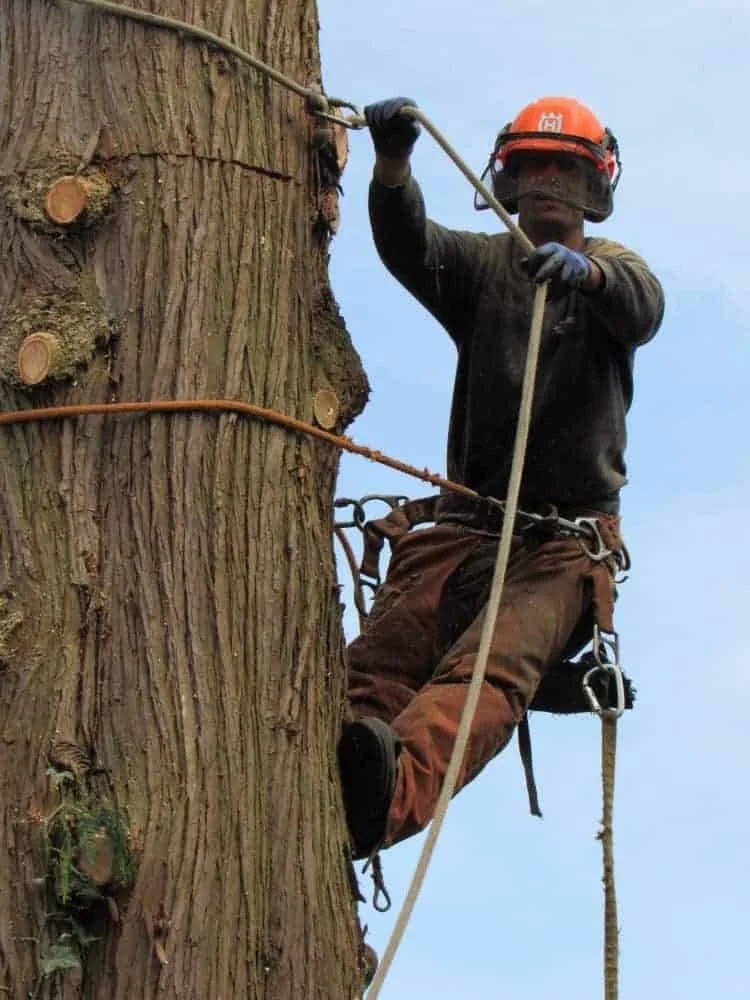
Topping means cutting a tree's main branches back to stubs. Some unlicensed operators in Metro Vancouver still do it. The ISA considers topping harmful. It removes 50–100% of a tree's leaf area. It destroys crown structure. It also creates large wounds that invite fungal decay. A topped tree is permanently damaged. It never regains its original form.
Proper pruning follows ANSI A300 standards. It removes dead, diseased, and crossing branches. It also protects the tree's natural shape. Professional tree cutting done to ANSI A300 standards extends tree life and improves appearance. Those two outcomes work together.
Storm and Wind Events
Environment and Climate Change Canada data shows that Metro Vancouver averages 4–6 significant windstorm events each year. Douglas firs and big-leaf maples with structural defects are most at risk. These defects include included bark, co-dominant stems, and heavy deadwood. Trees with existing problems fail first.
Regular inspections find defects before storms expose them.
---
How Do You Keep Beautiful Trees Looking Their Best Year-Round?
Use steady, standards-based care. That is the short answer.
Regular Pruning on the Right Cycle
Most mature trees in Metro Vancouver need professional pruning every 3–5 years. This keeps structure strong and removes hazard wood. Young trees need formative pruning every year for the first 3–5 years after planting. This builds branch structure early, before the tree sets its lasting form.
Crown cleaning removes dead and dying branches. Crown thinning lowers interior density so light and air can move through. Crown raising lifts lower branches for clearance and walking access. Every cut should follow ANSI A300 guidelines. That standard is what separates arborist work from guesswork.
Mulching the Root Zone Correctly
Apply organic mulch, such as wood chips or bark, 7–10 cm deep around the tree's base. Keep it away from the root flare. Mulch holds soil moisture, keeps soil temperature steadier, and reduces compaction from foot traffic.
Avoid volcano mulching. This means piling mulch against the trunk. It traps moisture against bark, encourages fungal disease, and can girdle the root flare over time. It is one of the most common homeowner errors. It is also one of the easiest to fix.
Supplemental Irrigation During Dry Summers
Vancouver summers are drier than many residents think. Environment and Climate Change Canada records show that July and August together usually get under 50 mm of rain in Metro Vancouver. December averages over 150 mm. That is a major seasonal swing.
Newly planted trees need regular water through their first two growing seasons. Trees in paved or compacted areas can struggle during dry periods, even after they are established. Slow, deep watering every 10–14 days during dry stretches works better than frequent shallow watering.
ISA Hazard Assessments
An ISA Level 1 Visual Tree Assessment checks for visible defects. These include cracks, cavities, fungal conks, strong lean, dead branches, and soil lifting around the base. Level 2 assessments use resistograph drills or sonic tomography. These tools detect internal decay that is not visible from outside.
If you have a large tree near a structure, a regular hazard assessment is sound risk management. This is especially true for Douglas fir, big-leaf maple, and western red cedar. The cost of an assessment is small compared with the liability from an unseen failure.
---
What Does an Arborist Report Tell You About a Beautiful Tree?
An arborist report is a formal document prepared by a qualified ISA-certified arborist. In Metro Vancouver, it has direct legal uses.
Municipalities such as the City of Vancouver, Burnaby, and North Vancouver require arborist reports before tree removal permits are issued. The report lists the tree's species, trunk diameter, height, condition, hazard rating, and reason for removal if removal is recommended. It must explain why preservation is not viable.
Arborist reports are also used in property disputes over shared or boundary trees. They are used by strata councils for common-area trees. They also support development applications and insurance claims after storm damage.
A report from an ISA-certified arborist follows a standard format. It includes tree location, diameter at breast height (DBH), condition rating from excellent to dead, hazard assessment, recommended action, and the arborist's credentials and signature. It is a professional opinion on record, not a simple form.
Our ISA-certified team prepares arborist reports for homeowners, strata councils, property developers, and municipalities across the Lower Mainland.
---
When Should You Remove a Beautiful Tree?
This is one of the hardest questions in urban arboriculture. A tree you love may still need to come down.
The ISA's Tree Risk Assessment Qualification framework looks at three factors: chance of failure, chance of impact, and result of impact. A decayed tree over an occupied bedroom has a different risk profile than the same tree standing 20 metres from any structure.
Consider removal when:
- More than 50% of the crown is dead or declining and cannot recover structural integrity
- Root system damage is severe — from construction, girdling roots, or *Phytophthora* root rot (a water mould that thrives in BC's saturated winter soils)
- Fungal conks appear at the base — indicating advanced root or butt rot from *Armillaria* (honey fungus) or *Ganoderma*
- The tree has already shed a major limb — a significant predictor of future structural failure
- Proximity to occupied structures creates unacceptable risk given the tree's condition
When removal is needed, tree removal services manage the full process. This includes permit acquisition where required under Vancouver's Private Tree Bylaw or similar bylaws in Burnaby, North Vancouver, and Coquitlam.
After removal, stump grinding removes the remaining root system and prepares the site for replanting. A well-chosen replacement tree can restore much of the original visual value. This often happens faster than homeowners expect.
---
Does Vancouver Have Rules About Working on Beautiful Trees?
Yes. The rules are detailed, and they are enforced.
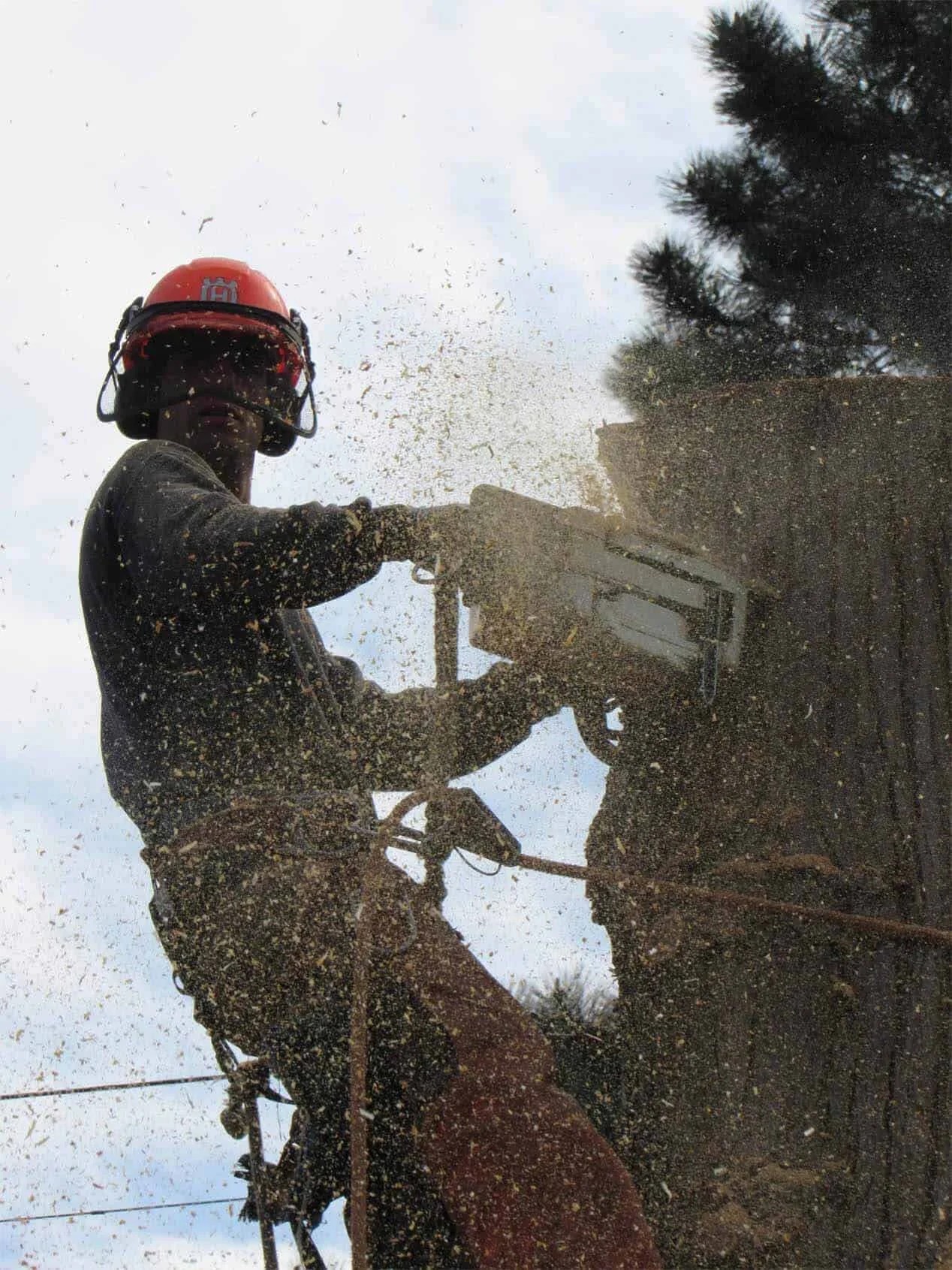
The City of Vancouver's Private Tree Bylaw protects trees on private property with a trunk diameter of 20 cm or more, measured at 1.4 m height. Before removing, topping, or heavily pruning this kind of tree, you need a permit. The permit application needs a signed arborist report from an ISA-certified professional.
Unauthorized removal can lead to major fines. You may also have to pay for replacement trees. The City enforces the bylaw actively.
Burnaby's Tree Preservation Bylaw has similar protections. North Vancouver District and the City of North Vancouver both have tree protection bylaws. Richmond's bylaw applies to trees with larger diameter thresholds.
This is why many homeowners hire ISA-certified arborists. An arborist who knows local bylaws tells you what is required before work starts, not after.
For urgent cases, such as a storm-damaged tree threatening your home, emergency tree service is available 24/7. Even in emergencies, our team manages the permit process so you stay legally protected.
---
What Is a Beautiful Tree Actually Worth?
The Council of Tree and Landscape Appraisers' *Guide for Plant Appraisal* is the standard reference for tree value. Arborists, insurance companies, and courts use it. It considers species, condition, size, and location.
A mature urban tree on a residential property in Metro Vancouver can be appraised from $3,000 to $60,000 or more. The value depends on those factors.
The USDA Forest Service's urban forest research shows that homes with mature trees sell for 10–15% more than similar homes without them. The BC Assessment Authority recognizes that mature, well-maintained trees increase assessed property value.
Beautiful trees are more than a nice feature. They are a documented asset. They need professional care to keep their value. Neglect is the most expensive path.
---
What Are the Best Beautiful Trees to Plant in a Vancouver Yard?
Planting a tree is a 50-year decision. Choose the right species for your site and you get a landmark. Choose the wrong one and you get an expensive problem.
Assess the Site Before Choosing the Species
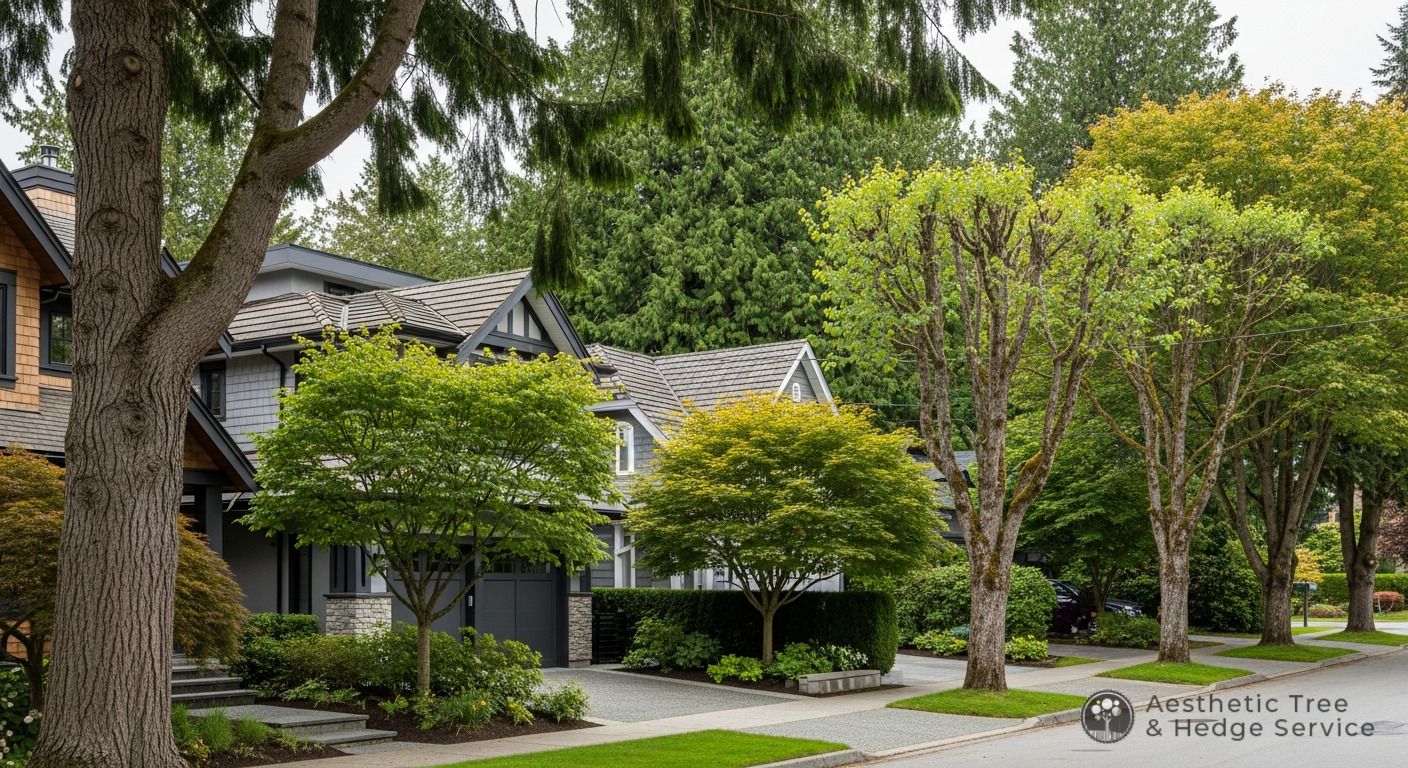
Overhead utilities, root zone space, sun exposure, soil drainage, and distance from structures all matter. These factors decide species choice before appearance does. A western red cedar in a small south-facing yard may one day shade the whole property. A Japanese maple under power lines will need constant clearance pruning.
The City of Vancouver Street Tree Program keeps a set species list for boulevard plantings. It is also a useful reference for homeowners choosing yard trees.
Species Worth Considering
**Japanese Maple (*Acer palmatum*):** Fine-textured foliage, strong fall colour, and slow growth. Works in small yards and containers. There are dozens of cultivars, from weeping forms to upright trees. Shelter from drying winter winds is essential in exposed sites.
**Vine Maple (*Acer circinatum*):** BC native. Multi-stem and naturally graceful. Tolerates shade. Fall colour rivals Japanese maple. Excellent for natural borders and shaded gardens.
**Pacific Serviceberry (*Amelanchier alnifolia*):** Native. White spring flowers, edible summer berries, and red-orange fall colour. Excellent wildlife value. Underused in Lower Mainland yards.
**Yoshino Cherry (*Prunus × yedoensis*):** The main boulevard cherry in Vancouver. Heavy spring bloom appears before leaves. Fast-growing, with a lifespan of 30–50 years. Spectacular while it lasts.
**Tulip Tree (*Liriodendron tulipifera*):** Not native, but it does well in the Lower Mainland. It has large, distinct leaves and tulip-shaped spring flowers. Fast-growing and long-lived. Best for larger lots because of its size.
For every new planting, depth and mulch technique affect whether the tree establishes well. Many trees die not from pests or disease, but from being planted too deep. Correct planting leaves the root flare visible. It is a basic step, but non-certified installers often miss it.
---
FAQ
Can I prune my neighbour's tree branches that hang over my property in BC?
Yes, but there are limits. BC property law lets you trim branches that cross your property line. You can only trim back to the property line. You cannot enter your neighbour's property without permission. You also cannot prune in a way that kills or seriously harms the tree. That can count as property damage. If the work could weaken the tree, get an ISA-certified arborist's assessment first. Most disputes are solved faster with professional advice than with lawyers.
How often should beautiful trees be professionally pruned in Vancouver?
Most mature trees in Metro Vancouver benefit from professional pruning every 3–5 years. Young trees need formative pruning each year for the first 3–5 years after planting. Fast-growing species, such as poplar, willow, and cottonwood, may need more frequent care. Slow-growing ornamentals like Japanese maple can often go 7–10 years between pruning. The right cycle depends on species, size, and site conditions.
What kills urban trees in Vancouver most often?
The leading causes of urban tree death in the Lower Mainland are root damage during construction, soil compaction from development and paving, improper pruning, water stress during summer dry periods, and *Phytophthora* root rot. Topping is a major pruning problem. *Phytophthora* is a water mould pathogen that thrives in saturated winter soils. Storm damage causes sudden failures, especially in trees with hidden structural defects.
Do I need a permit to remove a tree on my own property in Vancouver?
If the tree has a trunk diameter of 20 cm or greater at 1.4 m height, yes. The City of Vancouver requires a permit before removal, even on private property. The application needs a signed arborist report from an ISA-certified professional. Similar bylaws apply in Burnaby, North Vancouver, Richmond, and most Lower Mainland municipalities. Unauthorized removal can lead to major fines.
What certifications should I look for when hiring a tree service in Vancouver?
Look for ISA certification from the International Society of Arboriculture. It is the industry standard for professional tree care. WCB registration through WorkSafeBC is legally required for all commercial tree work in BC under the Workers Compensation Act and Occupational Health and Safety Regulation Part 26 (Arborists). Without WCB coverage, you may carry personal liability if a worker is hurt on your property. Ask to see both credentials before work begins.
---
Work with Certified Arborists Who Know Vancouver's Trees
Beautiful trees do not maintain themselves. They need pruning. They need hazard assessments. They need certified professionals who understand BC bylaws, ANSI A300 standards, and Lower Mainland tree species.
Aesthetic Tree & Hedge Services is ISA-certified and WCB registered. We work across Vancouver, Burnaby, North Vancouver, Richmond, and Coquitlam.
**Call for a free estimate: (604) 721-7370.**
Whether your tree needs pruning, a health assessment, an arborist report for permit applications, or emergency removal, our team delivers arborist-grade results that protect your investment.
Before You Go
Where are you in your tree care journey?
Our Tree Care Services
ISA-certified arborists serving Greater Vancouver
Explore Our Tree Care Services
From expert pruning to safe tree removal, our ISA-certified arborists are ready to help across Greater Vancouver.
View Services