
TL;DR — Quick Summary
Tree crown restoration in Vancouver restores topped trees to their natural form over 3–5 seasons. ISA-certified arborists, WCB registered. Free estimate.
Tree crown restoration in Vancouver is one of the most misunderstood services in arboriculture. You see a tree that was topped. It looks wrong — a mass of fast-growing shoots where a proper crown used to be. You want it fixed. But most homeowners don't know what fixing it actually involves. Or whether their tree can be saved at all.
The answer isn't simple. It depends on species, time elapsed since topping, and what's happening inside the trunk. But for many trees in the Lower Mainland, crown restoration is possible — and it works.
Here's what you need to know before calling anyone.
TL;DR
- **Crown restoration** is a multi-year pruning program that gradually rebuilds the natural structure of a topped or severely damaged tree
- Topping creates weak watersprouts with a significantly higher failure rate than normal branches — the International Society of Arboriculture (ISA) considers topping one of the most harmful practices in arboriculture
- A proper restoration program follows ANSI A300 Part 1 pruning standards and runs 3–5 growing seasons — it cannot be done in a single visit
- Not every topped tree qualifies; internal decay, species, and time elapsed all affect whether restoration is viable
- Vancouver's Private Tree Bylaw No. 9958 covers removal of trees 20 cm DBH or larger — restoration pruning typically doesn't require a permit, but removal does
What Is Tree Crown Restoration — and Why Does It Matter in Vancouver?
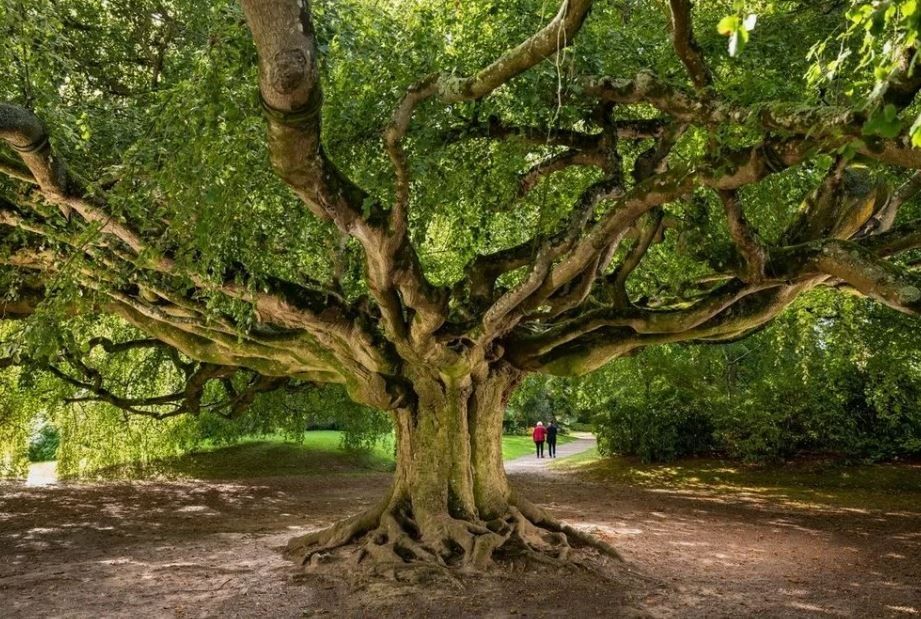
Crown restoration is a specific arboricultural service. It rebuilds the natural branching structure of a tree whose crown was destroyed — by topping, severe storm damage, or improper utility clearance cutting.
It's not the same as regular pruning maintenance. Regular pruning maintains an already-healthy crown. Crown restoration rebuilds one that was ruined.
Why does this matter in Vancouver specifically?
The City of Vancouver's Urban Forest Strategy (2018–2027) reports that the city's canopy cover sits at approximately 22% of total land area. The strategy targets 30% canopy coverage by 2050. That means every mature tree in the city has real ecological value — and replacing a mature topped tree with a sapling sets that target back by decades.
Crown restoration preserves what's already there. A 40-year-old Big-leaf maple with a restorable crown is worth keeping. A new tree planted in its place takes another 20–30 years to provide equivalent shade, stormwater absorption, and urban heat mitigation.
According to the ISA, a single mature tree in good condition can provide between $1,000 and $10,000 in measurable ecosystem services to a property — air quality improvement, reduced cooling costs, stormwater management, and property value increases. That's the asset you're trying to preserve.
What Happens to a Tree After It's Been Topped?
Most homeowners don't realize the damage topping causes until they see what grows back.
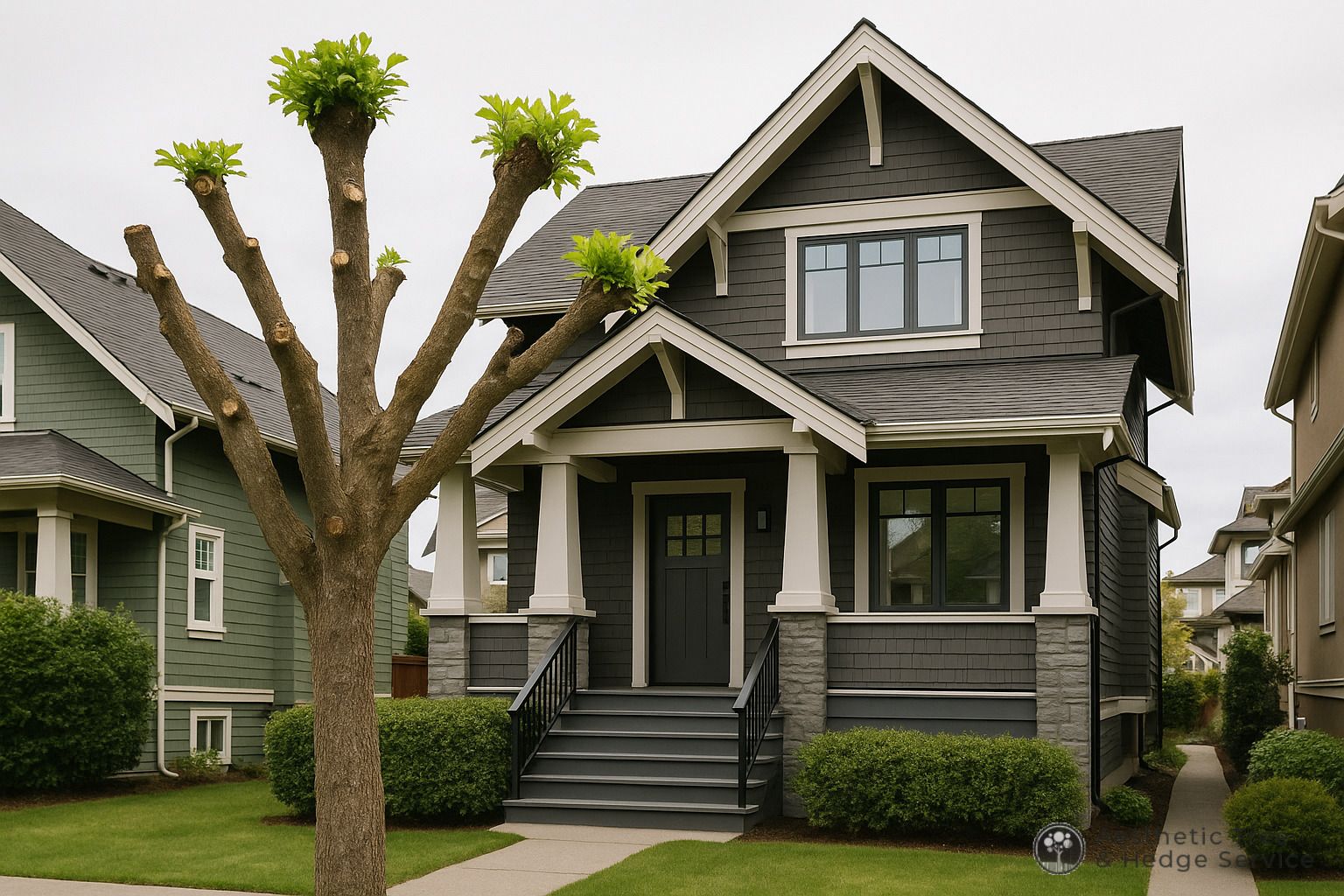
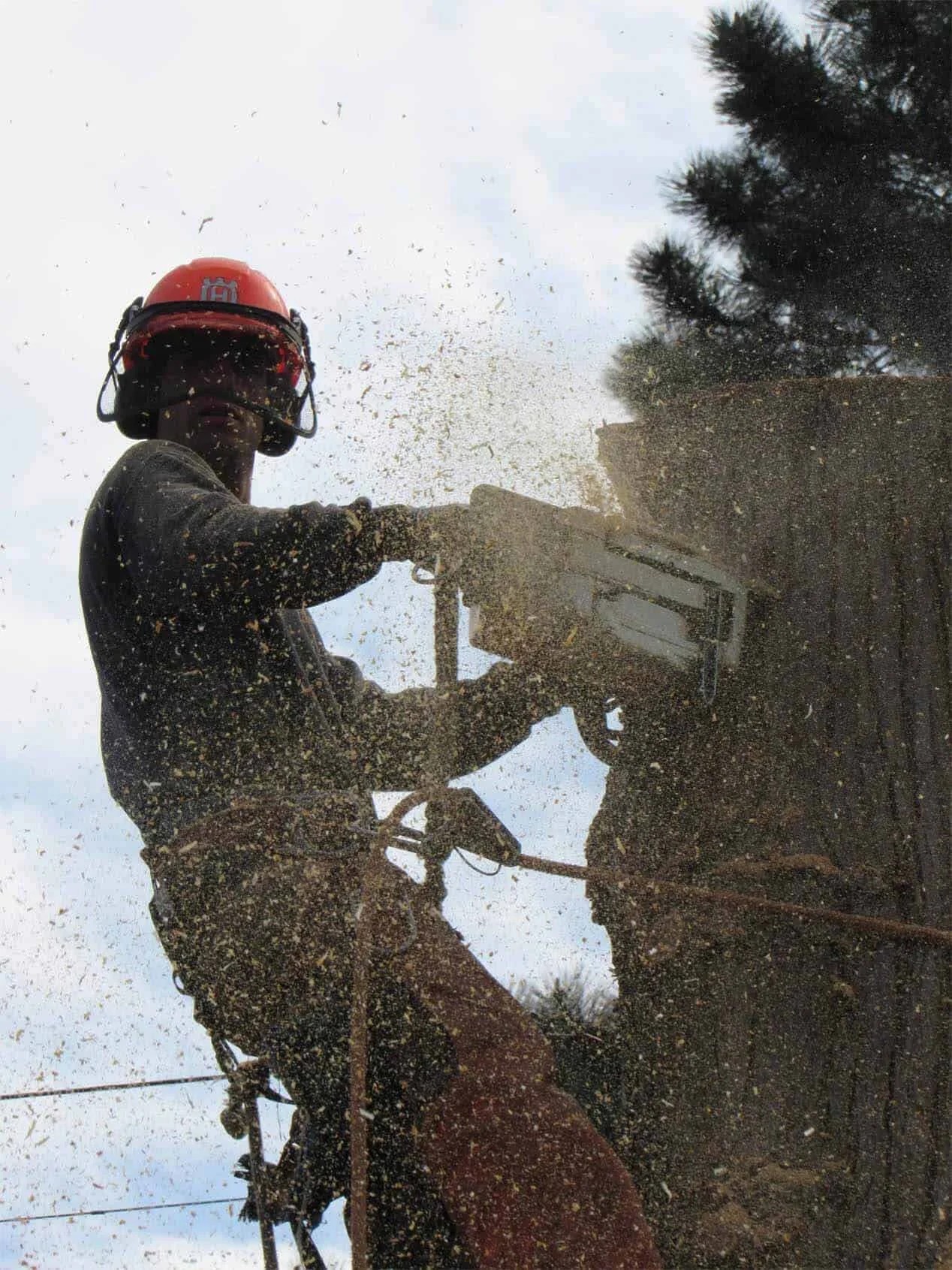
When a tree is topped, its terminal leaders are cut off. The tree loses the apical dominance that controls how it grows. Its stress response kicks in fast. Within weeks, dozens of epicormic watersprouts erupt from the cut stubs. These shoots grow aggressively — some reach 3–4 metres in a single growing season.
That rapid growth looks like recovery. It isn't.
Watersprouts attach at the bark surface. They don't form the interlocking wood fibres that give structural branches their strength. According to ISA-published research on pruning and tree failure, epicormic sprouts generated after topping carry a much higher risk of mechanical failure than normally developed branches. In storm conditions, they split and fail at rates that conventional branch structure doesn't approach.
The topping cuts themselves cause a second problem. Large-diameter cuts — the kind that top a tree — cannot compartmentalize effectively. Fungi enter. Column rot develops inside the trunk. A tree can look fully leafed-out from the street while carrying significant internal decay behind the bark.
A 2017 study published in *Urban Forestry & Urban Greening* found that trees subjected to severe heading cuts had significantly reduced structural integrity and shortened lifespans compared to equivalent trees managed under proper ANSI A300 pruning standards. In some species, the damage was irreversible within a few growing seasons.
Vancouver's Big-leaf maples (Acer macrophyllum) are particularly vulnerable. Their wood is dense but compartmentalizes poorly around large wounds. Watersprout regrowth is heavy — and those watersprouts reach structural size quickly, adding weight the trunk now has to support without the anchoring root system catching up.
Douglas fir (Pseudotsuga menziesii) behaves differently. Rather than prolific watersprout growth, topped firs often show progressive dieback from the cut stubs downward. By the time a homeowner calls, significant stem sections may already be dead.
This is why an ISA-certified assessment comes first — always — before any restoration work begins.
How Does Crown Restoration Pruning Actually Work?
Crown restoration is a program, not a single appointment. It follows ANSI A300 Part 1 pruning standards across multiple growing seasons. Here's what a proper restoration looks like from start to finish.
Year 1: Hazard Assessment and Initial Reduction
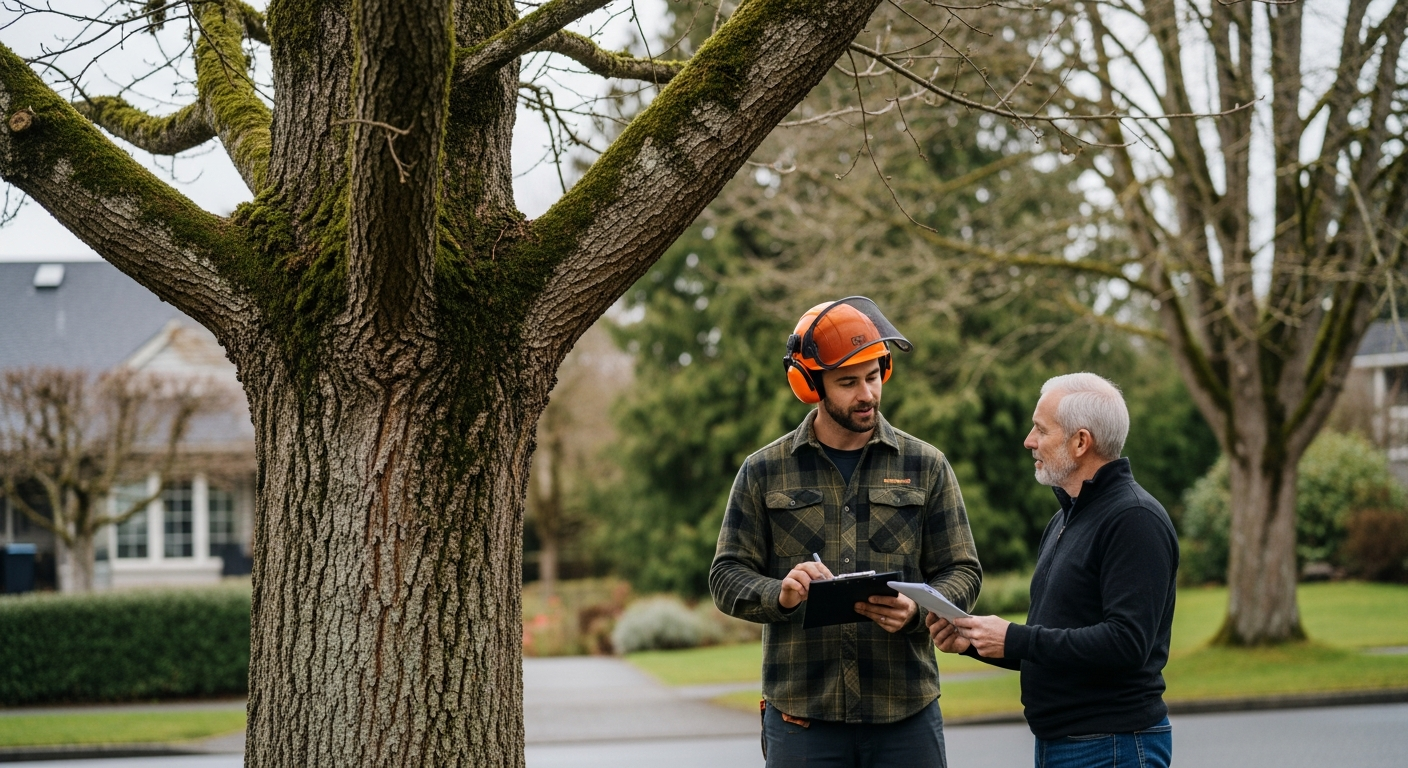
Before any pruning, the ISA-certified arborist conducts a full hazard assessment. This covers:
- Species identification and normal mature form
- Time elapsed since topping and diameter of existing watersprouts
- Attachment quality of each major watersprout (width of attachment, presence of included bark)
- Signs of internal decay — tapping, visual inspection, sometimes resistograph testing for hollow sections
- Root flare condition and root zone disturbance history
- Site context — what's below and adjacent to the crown
From this, the arborist determines whether restoration is viable. If it is, Year 1 work targets hazard reduction first. The highest-risk watersprouts come out — those with the worst attachment, those positioned directly over structures, those already showing failure signs.
ANSI A300 standards cap live crown removal at no more than 25% of the total crown volume per pruning session. This limit exists for biological reasons. Taking more triggers another stress response — which means another flush of watersprout growth. Controlled reduction avoids that cycle.
Years 2–3: Structural Training
In Years 2 and 3, the arborist selects 3–5 watersprouts to become the tree's new scaffold branches. Selection criteria: position relative to the original branching pattern, attachment angle, absence of included bark, and distribution around the trunk.
Everything else is reduced gradually across sessions.
The retained watersprouts are also tip-pruned to encourage lateral branching rather than continued upward shoot. Over time, these trained branches develop more wood fibre at their base. Attachment strength improves. The structural character of a real branch begins to form.
This is slow work. There's no shortcut. Any company offering to restore your topped tree in a single visit is not doing crown restoration — they're just cutting watersprouts. That's not restoration. That's triggering the next stress flush.
Years 4–5: Canopy Refinement
By Year 4 or 5, the tree has a recognizable crown again. It won't be identical to its pre-topping form. Some structural memory is gone. But the crown has logical branching, the worst hazard wood has been removed, and the tree can now be maintained on a standard 2–3 year pruning schedule.
In our experience working through restoration programs across Vancouver and the North Shore, the biggest predictor of success is whether the homeowner commits to the full program. Trees that get one session and then nothing for three years lose most of the progress made in Year 1. The program has to be followed through.
Which Trees in Vancouver Can Be Restored — and Which Cannot?
Not every topped tree is a candidate. This is the most important question in the initial assessment.
**Good candidates for crown restoration:**
- Trees topped within the last 3–5 years — watersprouts are still young enough to be selected and trained
- Species with strong compartmentalization ability (oaks, some maples, certain ornamental trees)
- Trees with a structurally sound main stem — no column rot, no severe bark inclusion at the root crown
- Trees retaining at least 30% live crown in viable condition
- Smaller-diameter topping cuts that have partially compartmentalized
**Poor candidates — often requiring removal assessment:**
- Trees where topping occurred 10+ years ago and watersprouts have grown into large co-dominant stems with severe included bark at every union
- Any species showing progressive dieback from topping cuts
- Trees with hollow stem sections exceeding 30% of the diameter at the base
- Douglas firs with multiple dead stem sections post-topping
- Trees with compromised root systems alongside the topping history (root zone construction damage, girdling roots, soil compaction)
When restoration isn't viable, the responsible recommendation is tree removal. A structurally failed topped tree sitting over a house in Vancouver is not a restoration candidate — it's a liability. Prolonging the program adds cost without improving outcomes.
The right tool for making this call is a formal arborist report. A written ISA-certified assessment documents the tree's condition, assigns a risk rating, and gives you a defensible record for your insurance provider or the City if a removal permit is required.
Does Vancouver's Private Tree Bylaw Affect Crown Restoration Work?
This is where homeowners in the Lower Mainland regularly get confused — and sometimes get surprised.
Vancouver's Private Tree Bylaw No. 9958 regulates trees with a trunk diameter of 20 cm (8 inches) or greater, measured at 1.4 metres above grade (DBH — diameter at breast height). Any removal of a regulated tree requires a permit, or documented evidence of hazard.
Crown restoration pruning is not removal. It does not typically require a permit.
But the bylaw matters to restoration in two ways.
First: if your assessment concludes the topped tree cannot be safely restored and must come down, a permit is required. Skipping the permit isn't a minor paperwork issue — it's a bylaw violation with fines, and it can complicate property transactions.
Second: each municipality in the Lower Mainland has its own bylaw. They are not identical.
- **Burnaby** requires permits for trees 20 cm DBH or larger
- **North Vancouver District** requires permits for trees 30 cm DBH or larger
- **City of North Vancouver** has separate bylaws covering private trees and boulevard trees adjacent to development sites
- **Richmond** and **Coquitlam** each have their own thresholds and exemption criteria
If your restoration work is near a City of Vancouver street tree, an additional requirement applies. Street trees are City property. Any work — including root zone disturbance from adjacent pruning — requires written City of Vancouver approval under the Street and Traffic Bylaw.
An arborist report prepared by Aesthetic Tree includes a bylaw review for your municipality. If a permit is needed, we pull it. You don't navigate the City portal yourself.
What Are the Warning Signs That a Topped Tree Has Become Dangerous?
Knowing when a topped tree has shifted from a restoration candidate to an active hazard matters — and it matters quickly.
**Cracks in watersprout stems.** Vertical cracks at attachment points, or longitudinal cracks running along the stem of a large watersprout, indicate structural failure is beginning. This is urgent. Don't wait for the next windstorm. Call for an assessment before it fails.
**Hollow sounds on percussion.** Tap the main trunk with a mallet at chest height and again near the base. A hollow sound indicates internal void from decay. The tree may appear fully leafed-out while carrying a cavity that reduces structural reserve significantly. Resistograph testing or sonic tomography gives you a real decay map.
**Fungal growth on the trunk.** Shelf-like conks, bracket fungi, or large mushrooms growing from the bark or at the base indicate active decay organisms inside the wood. Some species are treatable; others indicate advanced internal breakdown. Get it assessed.
**Progressive dieback.** Sections of crown that were alive in prior seasons now showing dead wood indicate pathogen activity, root failure, or advancing decay. In topped Douglas firs, this is a common pattern.
**Significant lean developing.** A topped tree that is now leaning toward a structure, a neighbor's property, or a public space should be treated as a hazard until formally assessed.
If you see any of these, don't book regular maintenance. Call our emergency tree service line. We cover Vancouver, Burnaby, North Vancouver, Richmond, and Coquitlam. Emergency assessments are available when the risk is immediate.
How Much Does Crown Restoration Cost in Vancouver?
We won't quote a price without seeing your tree. Every restoration program is different — species, tree size, access, number of sessions, and site conditions all affect the final number.
What we can give you is industry context. According to the Tree Care Industry Association (TCIA)'s 2023 consumer pricing data, professional pruning for large trees in major Canadian metro areas typically ranges from $400–$1,200 per session, depending on tree diameter, crown volume, and site access conditions. A 3–5 year restoration program involves multiple sessions over that period.
*These figures represent industry averages based on TCIA 2023 data. Actual costs vary by project scope, site access, tree size, and number of restoration cycles required. Contact Aesthetic Tree for a personalized assessment.*
The comparison that matters isn't session cost versus nothing. It's restoration program cost versus tree removal in Vancouver plus replanting plus decades of waiting for a new tree to reach the maturity of what you're standing under right now.
For a restorable tree, restoration is nearly always the better economic decision — and a far better ecological one.
What Should You Look for in a Crown Restoration Arborist?
This is where homeowners get hurt most. Anyone can buy a chainsaw and a pickup truck. Crown restoration requires specific credentials and a specific commitment to multi-year programs.
Here's what to verify before anyone climbs your tree.
**ISA Certification.** The International Society of Arboriculture certifies arborists through rigorous examination and continuing education requirements. ISA Certified Arborists understand tree biology, ANSI A300 pruning standards, hazard assessment protocols, and species-specific restoration approaches. Ask for the certification number. Verify it at treesaregood.org — the ISA's public credential directory.
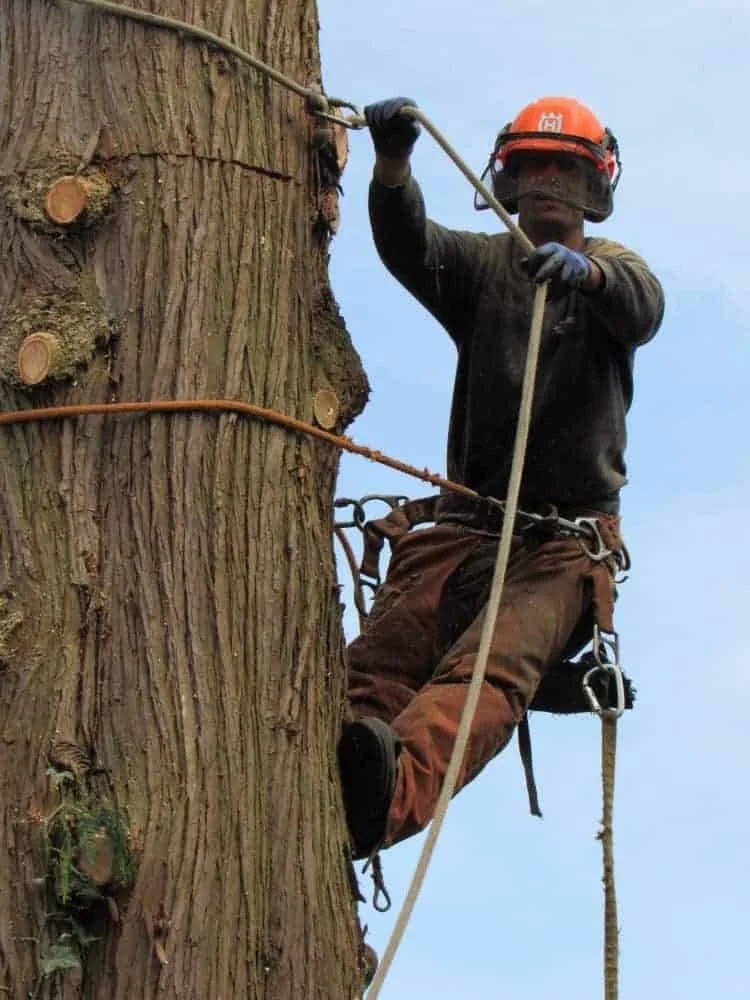
**WCB Registration.** All workers must carry active WorkSafeBC (WCB) coverage. If an unregistered contractor is injured on your property, your homeowner's insurance is the backstop. Ask for a clearance letter directly from WorkSafeBC before signing anything. We're WCB registered — and we provide that documentation on request.
**Commercial Liability Insurance.** Minimum $2 million CGL for most residential work. For trees positioned over structures, ask for $5 million. Get the certificate directly from their insurer — not just a verbal.
**A multi-year program, not a one-day fix.** Any company offering to "restore your topped tree today" is not doing crown restoration. They're removing watersprouts in bulk, triggering the next stress flush, and leaving. Real restoration is a written program with a timeline, annual visits, and defined success criteria.
**Written assessment before work begins.** You should receive a written document before the first pruning session. It should describe the tree's current condition, the proposed work per season, the expected timeline, bylaw implications, and what the restored crown will look like at program completion.
**Verifiable local references.** Ask for completed restoration projects on trees in Vancouver, Burnaby, or North Vancouver. A legitimate arboricultural company can show you trees they've worked on over multiple years. Drive by. Look at the results.
In our practice across the Lower Mainland, the most common error we see on inherited projects is bulk watersprout removal in a single session by an unlicensed operator. This severely stresses the tree, triggers another major flush of new watersprouts, and resets the restoration by 2–3 years. Sometimes the tree doesn't recover.
Cheap service isn't cheap when the result is emergency work two years later.
How Does Crown Restoration Relate to Other Tree Care Services?
Crown restoration is rarely an isolated service. It connects to the broader care program for a tree — and sometimes leads directly to related work.
**Crown restoration and cabling.** When large watersprouts have developed co-dominant unions with included bark — a common pattern in 5–8 year post-topping growth — dynamic tree cabling can supplement structural pruning. Cabling provides supplemental support while the tree builds structural wood at trained branch unions. It doesn't replace proper pruning, but it reduces risk during the multi-year restoration window.
**Crown restoration and mulching.** Topped trees are stressed trees. Their root systems are working to support a canopy that's been repeatedly cut back, disrupting the normal photosynthate flow. Improving soil conditions around the root zone supports recovery. A 3–4 inch layer of mulching — applied in a ring from outside the root flare to the drip line — reduces compaction, retains soil moisture, and feeds mycorrhizal fungi that support root health and, by extension, the crown.
**When restoration leads to removal.** When assessment confirms a tree cannot be safely restored, tree cutting and removal becomes the responsible path. Extending a non-viable program adds cost without improving safety outcomes. A hazard tree that fails costs far more — in damage, liability, and emergency fees — than a planned removal.
**After removal: stump management and replanting.** Once a non-restorable tree is removed, stump grinding eliminates the remaining stump and surface roots, preparing the site for future use. That site can then receive a new tree — ideally a species better suited to the soil conditions, available space, and light environment than whatever was there before. We provide tree planting services throughout the Lower Mainland, with species selection guidance from our ISA-certified team.
---
**Aesthetic Tree & Hedge Services serves Vancouver, Burnaby, North Vancouver, Richmond, Coquitlam, and the surrounding Lower Mainland.** Our team is ISA-certified and WCB registered. We conduct restoration assessments, write formal arborist reports, and carry out multi-year crown restoration programs to ANSI A300 standards.
Call for a free estimate: **(604) 721-7370**
---
FAQ
**What is tree crown restoration and how is it different from regular tree pruning?**
Crown restoration is a structured, multi-year pruning program designed to rebuild the natural form of a tree that has been topped, severely cut back, or structurally damaged by storms or improper utility clearance work. Regular maintenance pruning removes dead wood, crossing branches, and selected live growth to maintain an already-healthy crown structure. Crown restoration rebuilds a crown that was destroyed. It follows ANSI A300 Part 1 pruning standards, involves multiple visits across 3–5 growing seasons, and requires formal hazard assessment before any work begins. It's a significantly more specialized service than routine maintenance.
**How do I know if my topped tree can be restored or needs to be removed?**
This requires an on-site assessment by an ISA-certified arborist. The key factors are: how recently the tree was topped (recent topping is far easier to work with than topping that occurred a decade ago); the species and its compartmentalization ability; whether internal decay is present in the main stem; the size and attachment quality of existing watersprouts; and the overall structural condition of the root flare and lower trunk. Trees with advanced column rot, severe included bark at every major watersprout union, or multiple dead stem sections are often better candidates for removal than restoration. Only an on-site assessment can make that call reliably.
**How long does tree crown restoration take in Vancouver?**
A proper crown restoration program runs 3–5 growing seasons. Year 1 focuses on hazard assessment and initial reduction of the most dangerous watersprouts. Years 2–3 involve structural training of selected replacement scaffold branches. Years 4–5 refine the emerging canopy form. After program completion, the tree transitions to standard maintenance pruning every 2–3 years. Trying to compress this into a single visit doesn't work — it either stresses the tree into another stress-flush response or simply removes all the watersprouts without training any replacement structure. Both outcomes set the tree back significantly.
**Does the City of Vancouver require a permit for crown restoration pruning?**
Crown restoration pruning on a private tree does not typically require a permit under Vancouver's Private Tree Bylaw No. 9958. Pruning is distinct from removal. However, if your restoration assessment concludes that the tree cannot be safely restored and recommends removal, a permit is required for any tree 20 cm DBH or larger. Other Lower Mainland municipalities have their own bylaws with different thresholds — Burnaby also uses 20 cm DBH, while North Vancouver District uses 30 cm DBH. If your tree is near a City street tree, additional written City approval may also be required. An ISA-certified arborist can confirm the applicable bylaw requirements for your specific site.
**Why do trees get topped in the first place if it causes so much damage?**
Topping persists for several reasons. Some homeowners want to reduce a tree's height out of fear it will fall — topping feels like a solution, but creates far greater long-term hazard through weak watersprout regrowth. Some utility companies perform clearance cuts that amount to topping without proper arboricultural justification or follow-up care. Some unlicensed operators top trees because it's fast and requires no real skill — proper structural pruning takes significantly more expertise. And some homeowners top trees themselves, not understanding the damage they're causing. The ISA has advocated against topping for decades, and it remains one of the most documented sources of preventable tree failure in urban areas — which is exactly why crown restoration exists as a service.
Found this helpful? Follow our tree care insights directly on Google.
Make us your preferred source on GoogleBefore You Go
Where are you in your tree care journey?
Our Tree Care Services
ISA-certified arborists serving Greater Vancouver


Explore Our Tree Care Services
From expert pruning to safe tree removal, our ISA-certified arborists are ready to help across Greater Vancouver.
View Services