
TL;DR — Quick Summary
Growing a serviceberry tree in Vancouver? ISA-certified arborists explain 4 common care mistakes — and how to keep yours healthy. Call for a free estimate.
- Serviceberry trees (*Amelanchier*) are wonderful small trees for Metro Vancouver, but four common mistakes can shorten their lifespan.
- Fire blight is the disease to watch in this rose-family tree. It spreads during bloom, and infected wood is best cut out in winter, while the tree is dormant.
- In Vancouver, removing a private-property tree 20 cm or more in diameter, measured 1.4 m above the ground, needs a permit under the Protection of Trees By-law No. 9958. A mature serviceberry can qualify.
- This article covers four common problems and how to avoid them before they damage your tree.
What Is a Service Berry Tree, and Why Do Vancouver Homeowners Plant One?
Serviceberry is the common name for *Amelanchier*, a group of small trees and large shrubs in the Rosaceae, or rose family. A native BC species is the saskatoon, *Amelanchier alnifolia* (source: E-Flora BC).
That family connection matters. We'll explain why when we talk about disease.
Its white flowers are borne in short clusters at the ends of the branches (source: E-Flora BC).
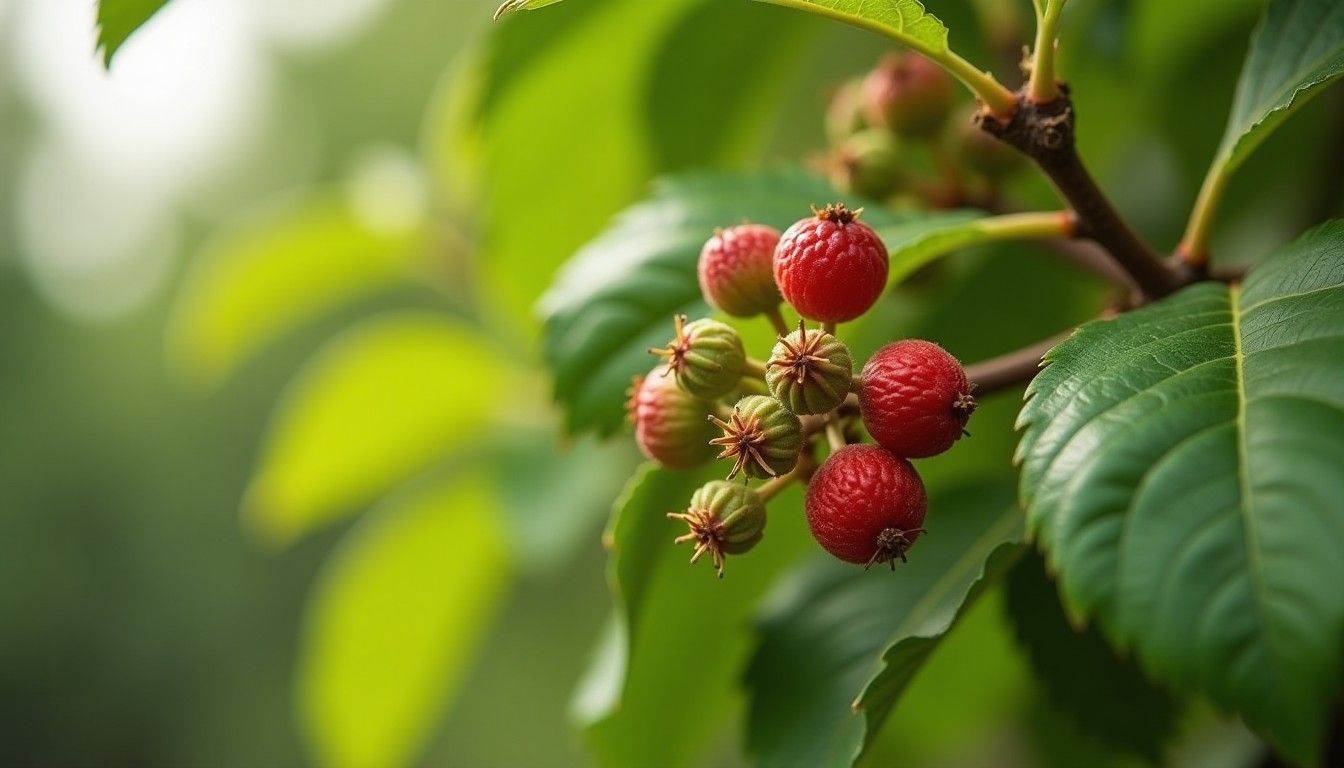
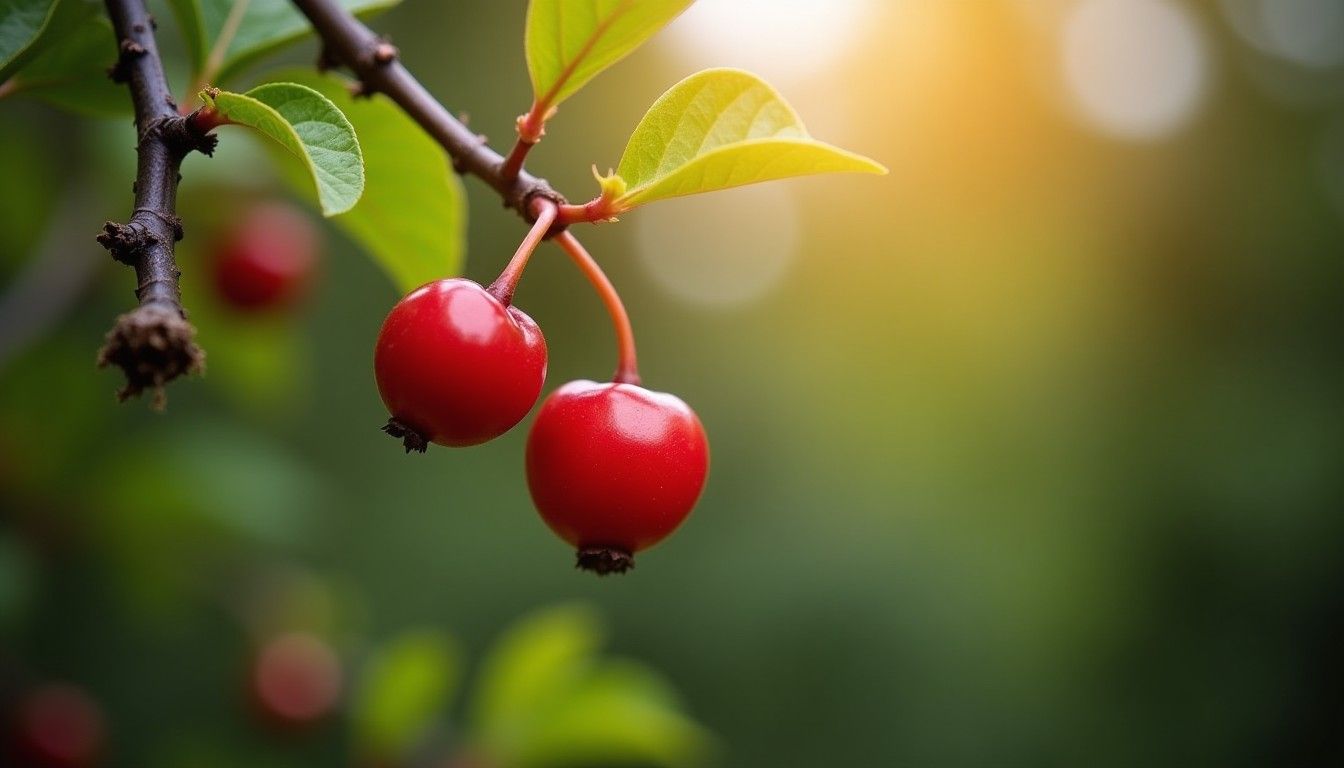
The fruits are small, berry-like pomes, like miniature apples, that start dull red and ripen to purple or nearly black (source: E-Flora BC). Serviceberries also go by names such as saskatoon and juneberry.
For homeowners, the native saskatoon has a few practical points in its favour.
It is a shrub or, rarely, a small tree, usually 1 to 6 metres tall and occasionally up to 10 (source: E-Flora BC).
In BC it grows naturally on moderately dry to fresh soils (source: E-Flora BC).
It can grow in a range of light conditions (source: E-Flora BC).
But serviceberry also suffers when homeowners give it the wrong care at the wrong time.
Which Serviceberry Variety Works Best in Metro Vancouver?
Several serviceberry species and hybrids are sold for home gardens, and they don't all perform the same way in our region.
Three you may be offered:
Amelanchier alnifolia the saskatoon. Native to BC, where it grows on moderately dry to fresh soils (source: E-Flora BC). A natural choice if you want a native species.
Amelanchier canadensis sold as shadblow serviceberry. Ask your nursery about its mature size and soil moisture needs before choosing a site.
Amelanchier × grandiflora a hybrid serviceberry sold in several named cultivars. Cultivars differ in size and shape, so check the mature size on the nursery tag against your space.
Choosing the wrong variety for your site sets it up for years of stress. A tree that needs steady moisture will struggle on a hot, dry, south-facing slope.
But variety choice usually isn't why homeowners call certified tree experts. The next three mistakes are more common reasons.
What Makes Service Berry Trees Sick, and How to Spot Disease Early?
Serviceberry is a *Rosaceae* family tree. That's a major ecological benefit and also its main disease risk.
Fire blight, caused by the bacterium *Erwinia amylovora*, is a common and frequently destructive disease of pome fruit trees such as pear and apple and their relatives. UC IPM lists juneberry or serviceberry (*Amelanchier*) among the hosts where it is less common, but the disease can destroy limbs and even whole trees (source: UC IPM, Fire Blight Pest Note).
Fire blight symptoms to look for:
- Infected flowers and shoots wilt and turn black or brown, and infected shoot tips can form a crook at the end
- Dead, blackened leaves cling to the branches, giving the tree a scorched look
- Newly infected wood under the bark shows pink to orange-red streaks
Here's what makes fire blight tricky: splashing rain and insects carry the bacteria to blossoms and fast-growing shoots, and UC IPM describes rainy or humid weather with daytime temperatures of 75 to 85°F (about 24 to 29°C) as ideal for infection. Serviceberry blooms in spring, so bloom time is the period to watch.
Beyond fire blight, watch for these problems:
Juniper-serviceberry rust (*Gymnosporangium*), a group of rust fungi. The related European pear rust needs both a rose-family host (pear) and a juniper to complete its life cycle, and on junipers it produces orange, jelly-like growths in spring (source: RHS, Pear rust). If you see rust spots on serviceberry leaves, check nearby junipers.
Leaf scorch not a disease but a sign of drought stress. Leaf edges brown and curl inward. It's common on south-facing sites during Vancouver's dry July and August. It looks serious but rarely kills a healthy tree. Consistent deep watering at the root zone, not overhead watering, helps prevent it.
Fire blight is easier to manage when it's caught early. A certified arborist can check how far an infection has spread before recommending cuts.
When Should You Prune a Service Berry Tree, and What Goes Wrong When Timing Is Bad?
Pruning timing and technique cause a lot of preventable damage.
For fire blight, the timing that matters most is when you cut out infections. UC IPM advises removing infected tissue in winter, when trees are dormant and the bacteria aren't active in the tree (source: UC IPM, Fire Blight Pest Note).
In practice, that means doing this work while the tree is dormant, before the buds open.
Where you cut matters more than you might think.
UC IPM says the bigger risk is "short cutting": not cutting far enough below the infection. When removing infected wood in winter, take out all discoloured tissue plus 6 to 8 inches (15 to 20 cm) beyond it. Dipping shears in 10% bleach between cuts might be wise when removing fast-moving infections, but the location of the cut is far more important than cleaning the tools.
The third pruning error: removing too much at once.
UC IPM notes that heavy pruning promotes the soft, fast growth that fire blight infects most easily.
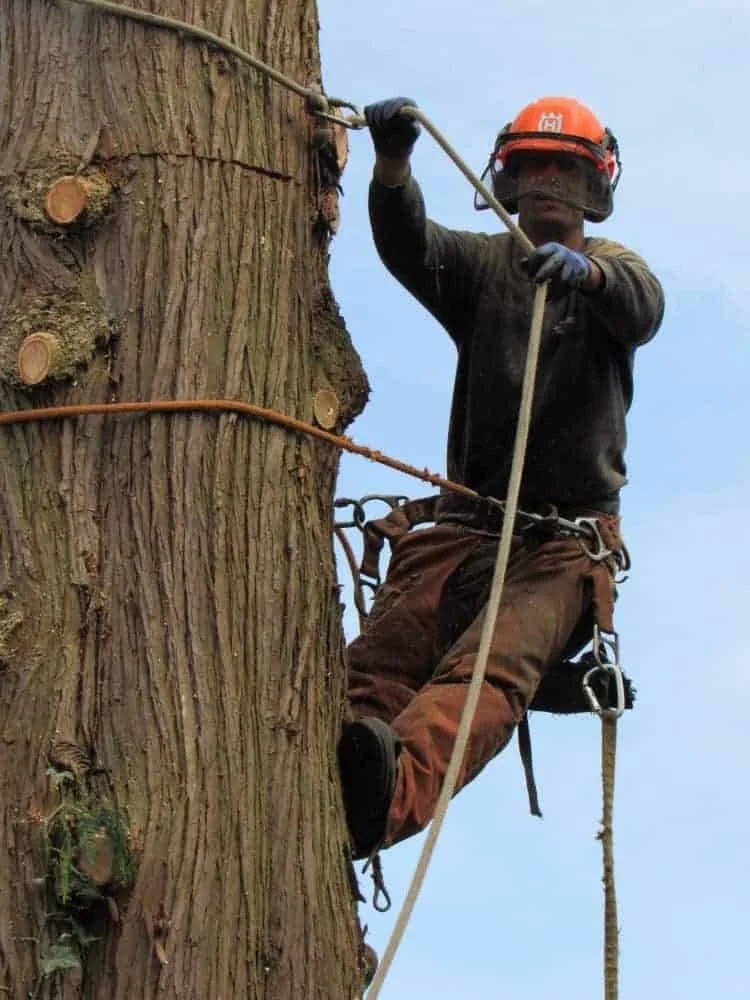
If your serviceberry needs structural work, removing crossed branches, clearing dead wood, lifting the crown for clearance over a building, our tree cutting services in Vancouver follow ANSI A300 standards. Cuts are made at the right angle, at the right size, without leaving stubs that trap moisture and invite decay.
Do You Need a Removal Permit for a Service Berry Tree in Vancouver, Burnaby, or North Vancouver?
This question surprises more homeowners than almost any other.
The answer can be yes. A serviceberry can be protected under municipal tree bylaws even though it's a small ornamental, because protection depends mainly on trunk diameter.
Here's how the rules work across the Lower Mainland:
City of Vancouver Vancouver's Protection of Trees By-law No. 9958 requires a permit to remove a private-property tree with a trunk diameter of 20 centimetres or more, measured 1.4 metres above the ground. An older serviceberry can reach that size. Fines under the by-law range from $500 to $10,000 per offence.
City of Burnaby Burnaby's Tree Bylaw No. 10482 protects broadleaf trees 45.7 cm (18 in.) or more in diameter on lots without a development application (20.3 cm if an application is in progress), measured 1.3 metres above the ground. For a multi-stemmed tree like serviceberry, the diameter is the sum of the three largest stems, which can push it over the limit sooner than you'd expect.
District of North Vancouver sets its own tree protection rules. Check the District's current requirements before removing a tree.
City of Richmond sets its own rules for trees on private property. Check the City's current requirements before removing a tree.
Permit applications often need supporting documentation, such as an arborist report. Our arborist report service prepares arborist reports for City of Vancouver By-law 9958 permit applications.
If a serviceberry poses an immediate safety risk, active branch failure, significant new lean toward a building, the bylaws have emergency provisions, but they come with obligations. In Burnaby, for example, a protected tree in imminent danger of falling after severe weather can be removed without a permit, as long as the City is told right away. Our emergency tree service responds 24/7 to urgent situations.
Once the tree is gone, stump grinding clears the stump below grade.
Our stump grinding service in Vancouver can handle that step.
The rule: before any serviceberry removal, check the DBH and call your city or a certified tree expert first.
That phone call costs nothing.
Skipping it does.
Can Serviceberry Roots Damage Your Foundation, Driveway, or Fence?
The native saskatoon can spread by rhizomes or stolons and form dense colonies (source: E-Flora BC).
That affects how you plan around it.
Like any tree, a serviceberry suffers when the soil over its roots is compacted, dug up, or buried. If renovation work happens nearby, a new fence, a patio, a raised planting bed, keep equipment and piled materials off the root zone. Burnaby's Tree Bylaw even counts soil compaction within a protected tree's dripline as damage.
If you're planting now, give the tree room to reach its mature spread without crowding paving, fences, or walls. If you have an existing serviceberry causing hardscape problems, a certified tree expert can check whether targeted root pruning solves the problem or whether removal and replanting makes better sense long-term.
Is Serviceberry a FireSmart Plant, and Why Does This Matter in Metro Vancouver?
FireSmart BC publishes a Landscaping Guide with an extensive list of fire-resistant plants and tips on creating a FireSmart landscape around your property (source: FireSmart BC). Check the current guide before counting on serviceberry, or any plant, as a fire-resistant choice.
That matters most for homes next to forested areas.
But a FireSmart label doesn't mean no maintenance. A serviceberry loaded with dead branches, fire blight-killed limbs, and accumulated leaves becomes a fuel source no matter its classification. Removing dead wood and fallen leaves regularly keeps that fuel down.
The same applies to any plant sold as fire-resistant: neglect adds fuel.
Certified tree experts assess both the tree's health and its structural risk in one visit. If your serviceberry is near a forested boundary or next to a structure, a professional assessment covers both the fire risk and the mechanical hazard at the same time.
What's the Single Biggest Serviceberry Mistake Vancouver Arborists See Every Season?
If there's one pattern certified tree experts see more often than any other, it's this: homeowners wait too long.
Fire blight doesn't start as a dramatic emergency. It can start as a few wilted, blackened shoot tips that are easy to mistake for drought stress.
Left alone, infections can move from the blossoms into the wood, and the disease can destroy whole limbs (source: UC IPM).
The permit situation unfolds the same way.
A homeowner decides a serviceberry needs to go.
They hire a general crew.
The crew removes the tree without checking the trunk width.
If the tree was protected, the owner can be fined.
The fix in both situations is the same: hire a certified tree expert before the problem gets bigger. Before the disease spreads. Before the removal happens.
Before the renovation work disturbs the root zone.
A free estimate costs nothing; a fine under Vancouver's by-law starts at $500.
If your serviceberry needs professional care, maintenance, structural pruning, hazard assessment, or removal, our tree removal services in Vancouver handle the entire process, with permit applications included. For serviceberry trees growing alongside hedges that have gotten overgrown, our hedge trimming services in Vancouver address both in one visit.
Aesthetic Tree & Hedge Services' arborists are ISA-certified, and every crew member is covered by WorkSafeBC. We serve the Lower Mainland.
Call (604) 721-7370 for a free estimate.
Found this helpful? Follow our tree care insights directly on Google.
Make us your preferred source on GoogleOur Tree Care Services
ISA-certified arborists serving Greater Vancouver


Explore Our Tree Care Services
From expert pruning to safe tree removal, our ISA-certified arborists are ready to help across Greater Vancouver.
View Services