
TL;DR — Quick Summary
regulations permits practices navigating tree removal laws for Vancouver homeowners. Learn permit rules, arborist reports, and safer next steps.
regulations permits practices navigating tree removal laws sounds dry until there’s a cedar leaning over your roof, a neighbour asking questions, and a city permit page open on your phone.
Tree removal in Vancouver isn’t just a chainsaw decision.
It’s a legal decision.
It’s a safety decision.
And if the tree is large, near a property line, close to wires, tied to a development permit, or showing signs of decay, it’s an arborist decision too.
At Aesthetic Tree & Hedge Services, we deal with this every week across Vancouver, Burnaby, Richmond, North Vancouver, Coquitlam, and the Lower Mainland. Homeowners call when a Douglas fir drops limbs. Builders call when a Big-leaf maple sits inside a proposed building envelope. Families call after a windstorm exposes decay at the root flare.
The question is almost always the same.
Can we remove it?
The answer depends on the city, the diameter, the tree’s condition, and the risk it creates.
This guide gives you the plain-English version. No scare tactics. No vague legal talk. Just the rules that matter before a tree comes down.
TL;DR
- In Vancouver, a private tree usually needs a removal permit when the trunk is 20 cm or more in diameter, measured 1.4 m above the ground.
- Burnaby, Richmond, Coquitlam, and North Vancouver each have their own tree rules. Never assume one city’s bylaw applies next door.
- A certified arborist report is often the fastest way to prove hazard, decay, root conflict, or development impact.
- Bird nesting laws still apply, even when a municipal tree permit is issued.
- The safest first step is a site assessment from an ISA-certified, WCB registered arborist.
If your tree is dead, dangerous, storm-damaged, or blocking permitted construction, start with a professional assessment. Aesthetic Tree & Hedge Services provides arborist reports in Vancouver, permit support, and safe removal planning across the Lower Mainland.
Do You Need a Permit to Remove a Tree in Vancouver?
Yes, in many cases.
The City of Vancouver’s Protection of Trees By-law No. 9958 applies to private property trees. As of the current City of Vancouver guidance, you need a permit to remove a private tree with a diameter of 20 cm or more, measured at 1.4 m above ground.
That measurement is called DBH.
DBH means diameter at breast height. It’s the standard arborists and municipalities use to classify tree size.
Here’s the simple test.
Measure 1.4 m up from the ground. Wrap a tape around the trunk. If the circumference is about 64 cm, the diameter is about 20 cm. That tree is likely permit-sized in Vancouver.
Vancouver also says a permit is not usually needed for a tree under 20 cm diameter unless it was listed as a replacement tree or part of a development landscape plan.
That last part catches homeowners off guard.
A small tree can still be protected if it was planted as a required replacement. We’ve seen this become an issue during renovations, lane house planning, and backyard redesigns.
The City of Vancouver’s 2025 Urban Forest Strategy also gives the rule more context. Vancouver reported 25% citywide tree canopy cover in its 2022 canopy assessment. The city’s target is 30% canopy cover by 2050. That’s why permit rules are strict. The city is trying to protect mature canopy, not just count trunks.
A permit is more likely when the tree is:
- 20 cm DBH or larger
- On private property in Vancouver
- On or near a development site
- A required replacement tree
- Close to a boulevard tree or neighbouring protected tree
- Being removed due to hazard, decay, sewer conflict, or construction conflict
A permit does not make the work safe by itself.
It only gives legal approval. You still need rigging, drop-zone planning, traffic control where needed, and a crew that knows how to dismantle a tree without damaging the home, fence, garage, shed, or neighbour’s property.
For high-risk removals, book tree removal in Vancouver with an ISA-certified arborist team that can assess the permit side and the worksite side together.
How Do Tree Bylaws Change Between Vancouver, Burnaby, Richmond, North Vancouver, and Coquitlam?
Tree bylaws change fast once you cross a municipal border.
That matters in the Lower Mainland.
A homeowner in Renfrew-Collingwood, Burnaby Heights, Steveston, Edgemont, or Burke Mountain can face different rules for a tree of the same size and species.
Here are the practical differences.
Vancouver protects many private trees at 20 cm DBH or more under Protection of Trees By-law No. 9958.
Richmond’s Tree Protection Bylaw No. 8057 generally restricts removal of trees larger than 20 cm DBH without a permit. Richmond also uses replacement planting to preserve its urban forest.
Coquitlam’s Tree Management Bylaw No. 4091 defines a protected tree as a living woody plant greater than 20 cm diameter, measured 1.4 m from the ground. Coquitlam’s public guidance also says some owners can remove up to two protected-size trees in a 12-month period without a permit when the trees are outside specialized areas. That exception is narrow. Don’t rely on it without checking the address.
Burnaby is different. Burnaby’s public tree guidance says trees under 30 cm diameter often do not need a permit unless they meet a protected category. Burnaby also uses replacement requirements based on the size of the removed tree. Its tree replacement table lists one replacement tree for 20.3 cm to 30.5 cm, two for 30.5 cm to 61 cm, and three for 61 cm or greater.
North Vancouver also has strict private-tree rules. The City of North Vancouver states that a tree posing imminent risk to life or property from natural causes can be cut without a tree removal permit. That does not mean every unwanted tree is an emergency. It means real, immediate risk.
This is why online advice is dangerous.
A forum answer from Surrey does not solve a Vancouver permit issue. A Richmond rule does not clear a Burnaby backyard removal. A Coquitlam exception does not apply in Kitsilano.
When we inspect a tree, we look at three things first:
- Which municipality controls the property?
- Is the tree protected by size, location, species, replacement status, or development history?
- Is there a safety issue that needs faster action?
The tree species matters too.
A mature western red cedar near a house behaves differently than a Big-leaf maple with included bark. A Douglas fir with a long lean needs a different hazard assessment than a topped ornamental cherry. A Lombardy poplar near a fence line creates different neighbour issues than a hedge cedar row.
For heavy reductions or non-removal work, proper tree cutting in Vancouver still needs bylaw awareness. Cutting too much live canopy can count as injury in some municipal contexts.
What Counts as a Hazard Tree Under Local Rules?
A hazard tree is not just a tree you dislike.
It’s a tree with a defect, condition, or site issue that creates real risk to people or property.
That risk must be assessed.
In Vancouver, removal approval can be granted when an arborist certifies a tree is dead, dying, or hazardous. The city also recognizes utility conflicts and certified sewer or drainage conflicts in specific cases.
That proof matters.
A homeowner saying “it looks unsafe” is not the same as an arborist documenting decay, root plate movement, canopy dieback, fungal fruiting bodies, included bark, a split union, or storm damage.
In our fieldwork, the biggest warning signs are often subtle:
- Soil lifting near the root plate
- Cracks running down a main stem
- Fresh fungal growth at the base
- Sudden canopy thinning
- Large dead limbs over a target
- Carpenter ant activity with decay indicators
- A new lean after wind or saturated soil
- Root flare buried by grade changes or mulch
- Topped regrowth with weak attachments
The target matters too.
A dead limb over a back corner of a yard is one level of risk. The same limb over a bedroom, daycare path, sidewalk, or parked vehicle is another.
This is where ISA methods matter.
ISA-certified arborists use structured visual assessment. For higher concern cases, we may recommend a written hazard assessment or a permit-support report. The report gives the city the facts it needs.
It also protects the homeowner.
If a neighbour asks why the tree is coming down, the answer is not “because we wanted it gone.” The answer is documented condition, documented risk, and permit approval where required.
Safety is not theory in this trade. WorkSafeBC reported that manual tree falling had an injury rate of 20.1 in 2020, almost ten times the provincial average of 2.15. That statistic is from WorkSafeBC’s 2022 safety campaign. It explains why tree removal should not be treated like weekend yard cleanup.
If a tree is already split, leaning, uprooted, or hung up after a storm, call for emergency tree service. Don’t stand under it. Don’t cut the loaded limb. Don’t pull it with a truck.
That’s when people get hurt.
When Does an Arborist Report Help With a Tree Removal Permit?
An arborist report helps when the city needs evidence.
It is often the difference between a weak application and a clear one.
A good report does more than name the tree. It explains the tree’s condition, location, size, defects, risk level, and reason for removal or retention.
For Vancouver development applications, the city says an arborist report is required when there are trees 20 cm diameter or larger. That applies to trees on the site, and it can also involve adjacent or boulevard trees that face construction impact.
A permit-support arborist report often includes:
- Tree species and common name
- DBH measurement
- Approximate height and crown spread
- Health and structural condition
- Root zone concerns
- Site constraints
- Photos
- Retention or removal rationale
- Tree protection recommendations
- Replacement planting notes when required
This level of detail matters near construction.
Excavation can kill a tree without touching the trunk. Roots often extend well beyond the dripline. Cut the wrong structural roots and the tree can decline, destabilize, or fail later.
That’s why municipalities ask for protection barriers.
They want to know which trees stay, which trees go, and which root zones need protection during demolition, trenching, grading, or machine access.
At Aesthetic Tree & Hedge Services, we write arborist reports for homeowners, builders, strata councils, and property managers. We focus on what the city needs to see. Clear facts. Clear photos. Clear rationale.
That saves time.
It also reduces back-and-forth.
You should consider an arborist report when:
- The tree is permit-sized
- The tree is on a development property
- The tree is near a property line
- The tree appears hazardous
- Roots affect drains, foundations, or hardscape
- The tree is a replacement tree
- The city has asked for professional documentation
- A neighbour is concerned about the removal
For permit help, start with an arborist report in Vancouver. A proper report gives the city a technical basis for the decision.
Can You Remove a Tree During Bird Nesting Season?
Not if it harms active nests.
Municipal permits do not erase provincial and federal bird protections.
In British Columbia, birds, nests, and eggs are protected by the federal Migratory Birds Convention Act and by the BC Wildlife Act. The City of North Vancouver’s guidance specifically warns property owners that vegetation removal can trigger these obligations.
The nesting window matters.
Environmental consultants in BC commonly use March 1 to September 30 as the main nesting period for most birds. That range is cited by local environmental firms doing nest surveys under the BC Wildlife Act and Migratory Birds Convention Act.
That does not mean every tree is off limits for seven months.
It means the tree must be checked before work.
Hedges matter here too.
Dense cedar hedges, laurel hedges, holly, and mixed shrubs often hold nests that homeowners never see from the lawn. Heavy hedge reduction during nesting season can create the same legal and ethical issue as tree removal.
The Province of BC notes that about 18% of bird species that breed in British Columbia nest in cavities in wildlife trees. That matters for dead or declining trees. A snag that looks like a nuisance can hold habitat for cavity nesters.
Pileated woodpecker cavities also have special federal attention under the 2022 Migratory Birds Regulations.
So the field process matters.
Before removal during nesting season, an arborist or qualified environmental professional looks for:
- Active nests
- Cavity openings
- Fresh nesting material
- Repeated bird entry and exit
- Territorial behaviour
- Eggs or young
- Raptor or heron nesting concerns
If an active nest is present, the work stops or the work zone changes until the nest is inactive. That is not optional.
For hedge work, schedule major reductions outside the main nesting window where possible. For lighter trimming, inspect first and avoid active nest zones. Our hedge trimming services in Vancouver include that practical site check because a hedge is still habitat.
What Are the Best Practices Before You Cut or Remove a Tree?
Start with the legal check. Then the arborist check. Then the work plan.
That order prevents mistakes.
Here’s the process we recommend before any serious cutting.
Confirm the municipality
Find the exact city or district. Vancouver, Burnaby, Richmond, Coquitlam, and North Vancouver use different rules.
Do not rely on a neighbour’s memory.
Check the property address against the municipal map if you’re near a border.
Measure DBH correctly
Measure the trunk at 1.4 m above grade. On a slope, measure from the high side when the city asks for that method. For multi-stem trees, check the local rule. Cities often have separate formulas.
Guessing is not good enough.
Check replacement status
A tree under the normal size threshold can still be protected if it was planted as a replacement tree. This often comes up after older permits, additions, or landscape plans.
Look for development links
If you’re renovating, building a laneway house, replacing drainage, or adding hardscape, tree protection may become part of the permit file.
The tree may not be the only issue. Adjacent and boulevard trees can matter too.
Inspect for wildlife
Look for active nests, cavities, and repeated bird activity. Be extra cautious from March through September.
Assess structural risk
Look at the root flare, trunk, unions, canopy, and targets. Don’t assess from one angle. Walk the site.
Plan the removal method
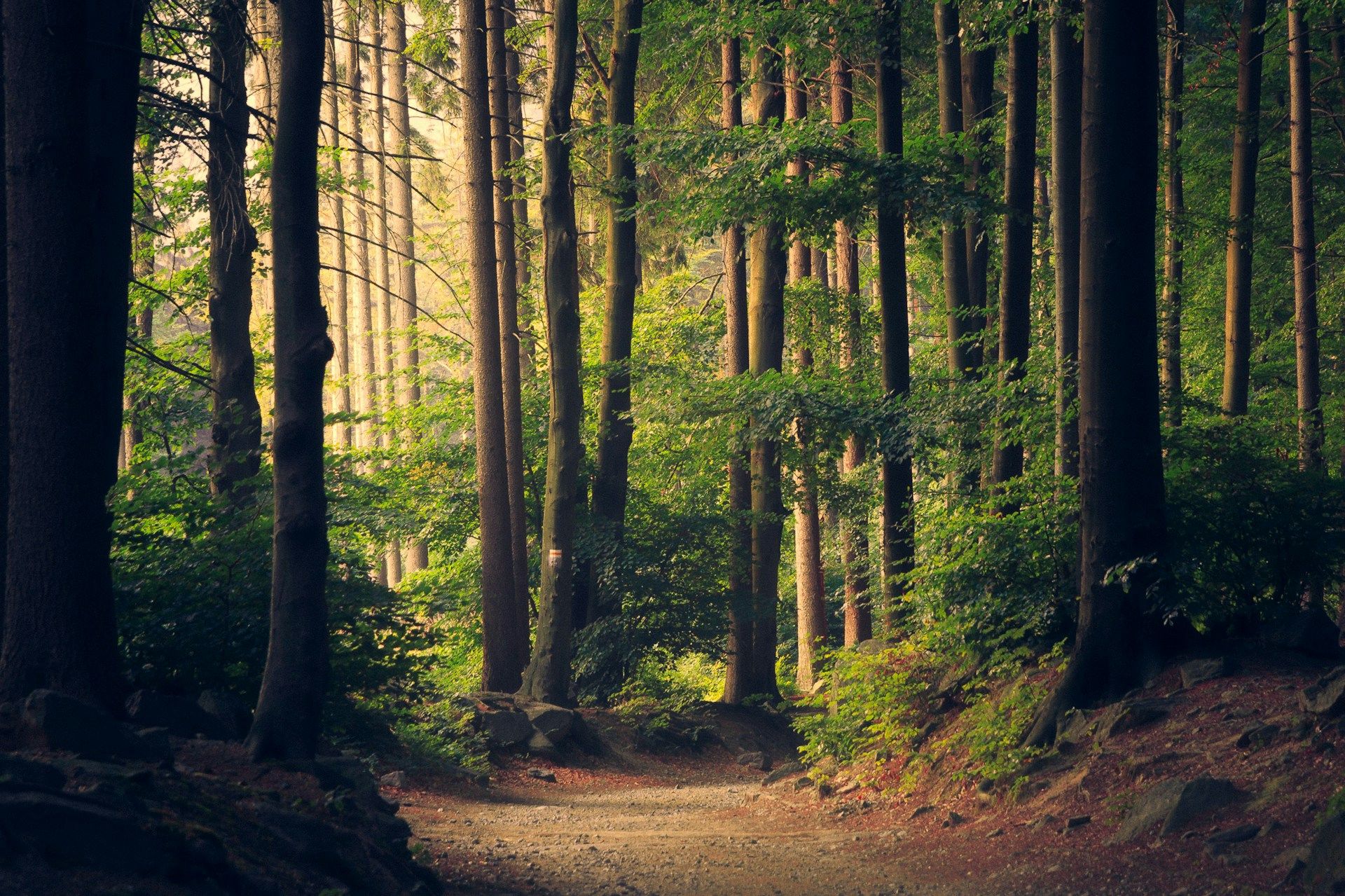
A small tree in an open yard is one job. A mature cedar over a roof is another.
Complex removals can need:
- Climbing
- Rigging
- Speedline work
- Crane support
- Traffic control
- Utility coordination
- Sectional dismantling
- Stump grinding after removal
Protect the site
Decks, fences, roofs, irrigation, lawn, garden beds, and neighbouring property all need planning.
The cut is only part of the job.
Cleanup, wood handling, and stump management matter too. If you want the area ready for replanting, paving, turf, or a new bed, add stump grinding in Vancouver to the scope before the crew arrives.
What Happens If You Remove a Protected Tree Without Approval?
You create risk.
Legal risk. Financial risk. Neighbour risk. Development risk.
Municipalities can investigate illegal tree cutting. They can issue penalties, require replacement planting, hold up development approvals, or ask for documentation after the fact.
The hardest part is that you can’t put the tree back.
Once a protected tree is cut, the evidence is reduced to a stump, photos, neighbour reports, and site history. That makes the situation harder for everyone.
This is especially true on development properties.
If a tree is removed before permits are sorted, the city can look harder at the whole file. That can slow renovation plans, laneway projects, and rebuilds.
Neighbour disputes can also start fast.
Property-line trees are sensitive. So are overhanging limbs. In many cases, you can prune back to your property line only if the work does not damage the tree’s health or stability. That rule appears in North Vancouver guidance and reflects a common principle across urban tree care.
The best way to avoid conflict is documentation.
Take photos. Measure DBH. Get the arborist assessment. Apply when required. Post the permit when the city requires it.
Vancouver’s bylaw guidance says the permit must be posted in a visible location during removal. That small step can prevent a neighbour from assuming the work is illegal.
Here’s the blunt version.
If the tree is large enough to make you wonder about a permit, check before cutting.
If it leans over a target, call an arborist.
If it sits near a property line, document everything.
If it has nests, stop.
How Do Replacement Trees Work After Removal?
Replacement trees are often part of the permit approval.
The city wants canopy replaced, not just removed.
Vancouver’s tree permit process can include replacement planting. Burnaby’s public replacement table is very clear. It lists one replacement tree for a removed tree from 20.3 cm to 30.5 cm, two replacement trees for 30.5 cm to 61 cm, and three replacement trees for 61 cm or greater.
Richmond’s bylaw purpose also centers on preservation and replacement. Its guidance states that the city restricts removal from private land and requires replacement trees when trees are approved for removal.
Replacement choice matters.
A poor replacement tree fails. A good one becomes future canopy.
We look at:
- Soil volume
- Sun exposure
- Mature spread
- Overhead wires
- Distance from foundations
- Driveway clearance
- Drainage
- Species diversity
- Long-term maintenance
In Vancouver lots, space is often tight.
That does not mean planting is pointless. It means species choice has to be smart.
A large conifer may not fit under service wires. A broadleaf tree may need more rooting room. A hedge plant does not replace a canopy tree unless the city accepts it under the permit terms.
Native and climate-suitable species are often preferred, but the site still decides. Western red cedar struggles in hot, dry, reflected-heat spots. Douglas fir needs room. Vine maple can work well in smaller spaces. Garry oak needs the right conditions and patience.
If the removal opens a gap in privacy, we also discuss planting or hedge repair. For clients who want a new screen after removal, tree planting services can be paired with removal planning.
The key is to treat replacement as part of the project, not an afterthought.
What Should You Know About Pruning Instead of Removal?
Removal is not always the best answer.
Sometimes pruning solves the problem.
Sometimes it does not.
Good pruning reduces risk while preserving tree health. Bad pruning creates future hazards.
That is why ANSI A300 standards matter. The Tree Care Industry Association describes ANSI A300 Tree Care standards as standard practices and specification guidelines for arborists, urban foresters, landscape architects, and contractors. The 2017 pruning standard focuses on pruning objectives, cuts, systems, and accepted work practices.
In plain English, that means pruning should have a reason.
Not “make it smaller.”
A real pruning objective sounds like this:
- Reduce end weight on an overextended limb
- Remove deadwood over a target
- Improve clearance from the roof
- Reduce likelihood of branch failure
- Correct weak structure in a young tree
- Remove rubbing limbs
- Clear a service line within safe limits
Topping is not proper pruning.
It cuts major stems back to stubs. It creates weak regrowth. It opens decay paths. It often makes the tree uglier and more dangerous over time.
We see topped maples and cedars across the Lower Mainland. Many were cut years ago by someone trying to reduce height fast. The result is often a cluster of weak shoots attached to decaying wood.
That can become a removal case later.
Good pruning protects the branch collar. It avoids flush cuts. It avoids lion-tailing. It keeps enough live canopy for tree health. It respects species response.
A cedar hedge is not pruned like a fruit tree. A Big-leaf maple is not reduced like a laurel hedge. A Douglas fir should not be randomly shortened because it feels tall.
For seasonal timing, see Aesthetic Tree’s seasonal tree care guide. Timing affects stress, regrowth, disease risk, and nesting checks.
How Do Power Lines, Sewer Lines, and Roots Affect Tree Removal Rules?
Utilities make tree work more serious.
They do not always make removal automatic.
Vancouver’s bylaw guidance recognizes removal where an arborist certifies that a tree directly interferes with utility wires and cannot be pruned while keeping reasonable appearance or health. It also recognizes cases where an accredited plumber certifies that roots directly interfere with or block sewer or drainage systems.
That wording matters.
The city wants proof.
Not a guess.
For wires, the first question is line type. Utility arborist rules are strict because electricity can arc. Branches, tools, ladders, and rigging can conduct. Homeowners should not prune near power lines.
For sewer and drainage conflicts, roots are usually a symptom. They enter pipes that already have cracks, gaps, or weak joints. Cutting the tree does not always fix the pipe. It may remove one source of root growth, but plumbing repair is often part of the answer.
That is why the city may ask for plumbing documentation.
For roots near foundations, sidewalks, patios, and retaining walls, the answer depends on site specifics. Some roots can be pruned under arborist direction. Some cuts destabilize the tree. Some hardscape can be adjusted. Some trees need removal.
The root flare tells a lot.
A buried flare, girdling roots, soil compaction, and grade changes can create long-term decline. New driveways and patios can also damage roots if installed inside critical root zones.
Before cutting major roots, ask an arborist.
A root that looks like a nuisance can be a structural root. Cut it wrong and the tree’s stability changes.
What Should Homeowners Do After Storm Damage?
After a storm, slow down.
A damaged tree can still be under load. Limbs can be hung up. Stems can split further. Roots can be lifting below the soil.
The first step is distance.
Keep people, pets, and vehicles away from the fall zone. Do not park under the tree. Do not stand under a cracked limb to take photos. Do not climb a ladder into broken branches.
Then look for hazards from the ground:
- Is the tree touching wires?
- Is the trunk split?
- Are limbs hung in another tree?
- Has the root plate lifted?
- Is the tree leaning toward a structure?
- Is there fresh soil cracking?
- Is the tree resting on a roof, deck, or fence?
If wires are involved, call the utility first.
If the tree threatens a house, road, sidewalk, or access route, call an emergency arborist crew.
Storm work is different from normal removal. The wood is under tension and compression. A wrong cut can release force fast. That’s how chainsaws kick, limbs swing, and trunks roll.
After the immediate hazard is controlled, the permit question still matters.
Some municipalities allow action for imminent danger, then require documentation after. Others require contact with city staff as soon as practical. Keep photos before work if it is safe to do so. They help prove the emergency condition.
We also recommend inspecting nearby trees after a major wind event. One failed tree can reveal site-wide issues: saturated soil, root disease, exposed edges, or repeated topping damage.
That second inspection often prevents the next emergency.
How Should Stratas, Builders, and Property Managers Handle Tree Permits?
Stratas and builders need a paper trail.
One owner’s backyard tree is already regulated. A multi-unit site adds more stakeholders, more targets, and more documentation.
For stratas, the council should confirm:
- Who owns the tree area?
- Is the tree common property?
- Is there a city permit requirement?
- Is the tree affecting private strata lots?
- Is there a hazard report?
- Are residents being notified?
- Are access and parking managed for the crew?
For builders, the tree plan should happen early.
Do not wait until excavation week.
On development sites, trees can affect layout, access, demolition, drainage, foundation excavation, service trenching, and crane placement. A tree protection barrier can change how machines move across a site.
Vancouver’s guidance says property development generally requires existing trees to be retained unless removal conditions apply. It also says retained trees on the site, adjacent properties, and boulevard trees at risk of damage must be protected.
That means a builder needs to think beyond the tree being removed.
A neighbouring cedar can still affect the file. So can a boulevard maple. So can a retained tree whose roots sit under the planned driveway access.
A proper arborist report gives the project team clear constraints. It also gives the city a basis for approval.
For property managers, the biggest mistake is reactive work. Waiting until branches fail creates emergency costs, tenant stress, and liability concerns. Annual tree inspections are cleaner.
Look especially at:
- Parking areas
- Play spaces
- Walkways
- Entrances
- Roof overhangs
- Retaining walls
- Drainage corridors
- Trees previously topped or heavily reduced
Tree care is asset management.
Treat it that way.
What Should You Ask Before Hiring a Tree Removal Company?
Ask direct questions.
The answers will tell you a lot.
Start here:
- Are you ISA-certified?
- Are you WCB registered?
- Do you carry liability insurance?
- Do you know the local tree bylaw for this municipality?
- Will you check DBH and permit requirements before cutting?
- Can you provide an arborist report if needed?
- How will you protect roofs, fences, decks, and gardens?
- What is the rigging plan?
- Who handles cleanup and wood removal?
- Is stump grinding included or separate?
- What happens if nesting birds are found?
Listen for specifics.
A professional crew will talk about targets, rigging, access, drop zones, species, defects, and permits. A weak crew talks only about taking it down fast.
Fast is not the goal.
Controlled is the goal.
The company should also know when not to proceed. If the tree needs a permit, the answer is not “we’ll just do it early.” If there is an active nest, the answer is not “it’ll be fine.” If there are wires, the answer is not “we’ve done this before.”
Aesthetic Tree & Hedge Services is ISA-certified and WCB registered. We handle tree assessments, permit-support reports, removals, pruning, hedge work, stump grinding, and emergency calls across Vancouver and the Lower Mainland.
For a deeper local removal primer, read our Vancouver tree removal guide. It pairs well with this legal and permit-focused article.
FAQ
Do I need a permit to remove a dead tree in Vancouver?
Usually, yes, if the tree is 20 cm DBH or larger. Vancouver allows removal when an arborist certifies that a tree is dead, dying, or hazardous, but the permit process still applies unless the situation is an immediate danger. Get the tree assessed before cutting.
How do I measure DBH for a tree permit?
Measure the trunk diameter at 1.4 m above the ground. If you only have a flexible tape, measure the circumference, then divide by 3.14 to estimate diameter. In Vancouver, a 20 cm diameter tree has a circumference of about 64 cm.
Can I remove branches that hang over my property line?
You can often prune back to the property line, but the pruning must not damage the tree’s health or stability. This is especially important for large limbs, conifers, and trees already under stress. Get arborist advice before major boundary pruning.
Is stump grinding regulated like tree removal?
Stump grinding after an approved removal is usually treated differently from cutting a protected standing tree. Still, grinding can affect nearby roots, utilities, irrigation, and replanting plans. Ask before grinding near retained trees or property-line vegetation.
What should I do if my tree is leaning after a storm?
Stay away from the fall zone. Keep people and vehicles clear. Look for lifted soil, cracked ground, split stems, and overhead wires from a safe distance. If the tree threatens a structure, access route, or public area, call an emergency arborist service.
Tree removal laws in Vancouver and the Lower Mainland are strict for a reason. Mature trees carry real canopy value. Damaged trees carry real safety risk. The job is knowing the difference before the saw starts.
Call Aesthetic Tree & Hedge Services for a free estimate at (604) 721-7370. Our ISA-certified, WCB registered arborists can assess the tree, explain the permit path, and complete the work safely.
Related: For more on this, see Tree Removal Richmond: What to Know.
Related: For more on this, see Tree Removal Coquitlam Bylaw Facts.
Related: For more on this, see Arborist North Vancouver.
Found this helpful? Follow our tree care insights directly on Google.
Make us your preferred source on GoogleBefore You Go
Where are you in your tree care journey?
Our Tree Care Services
ISA-certified arborists serving Greater Vancouver


Explore Our Tree Care Services
From expert pruning to safe tree removal, our ISA-certified arborists are ready to help across Greater Vancouver.
View Services